
THE FOCUS JAM2 NEXT PROJECT
FUTURISTIC MANUFACTURING THAT WILL REMAIN IN THE FUTURE
March 4, 2026
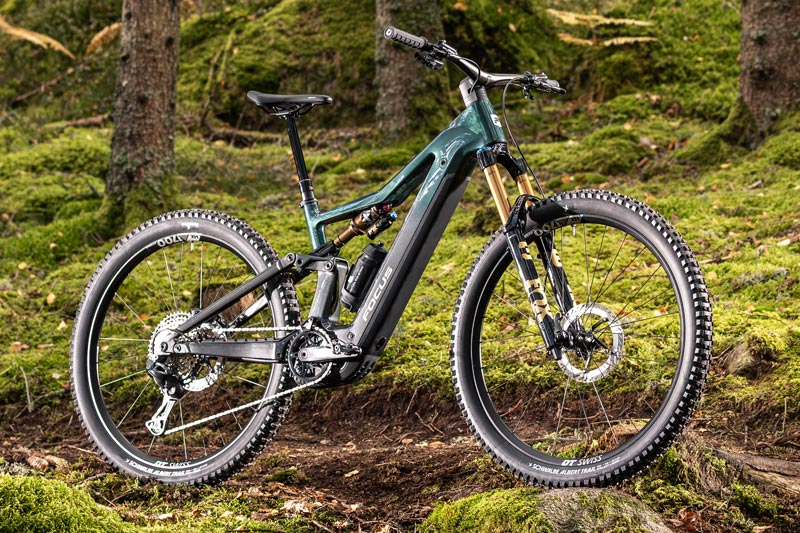
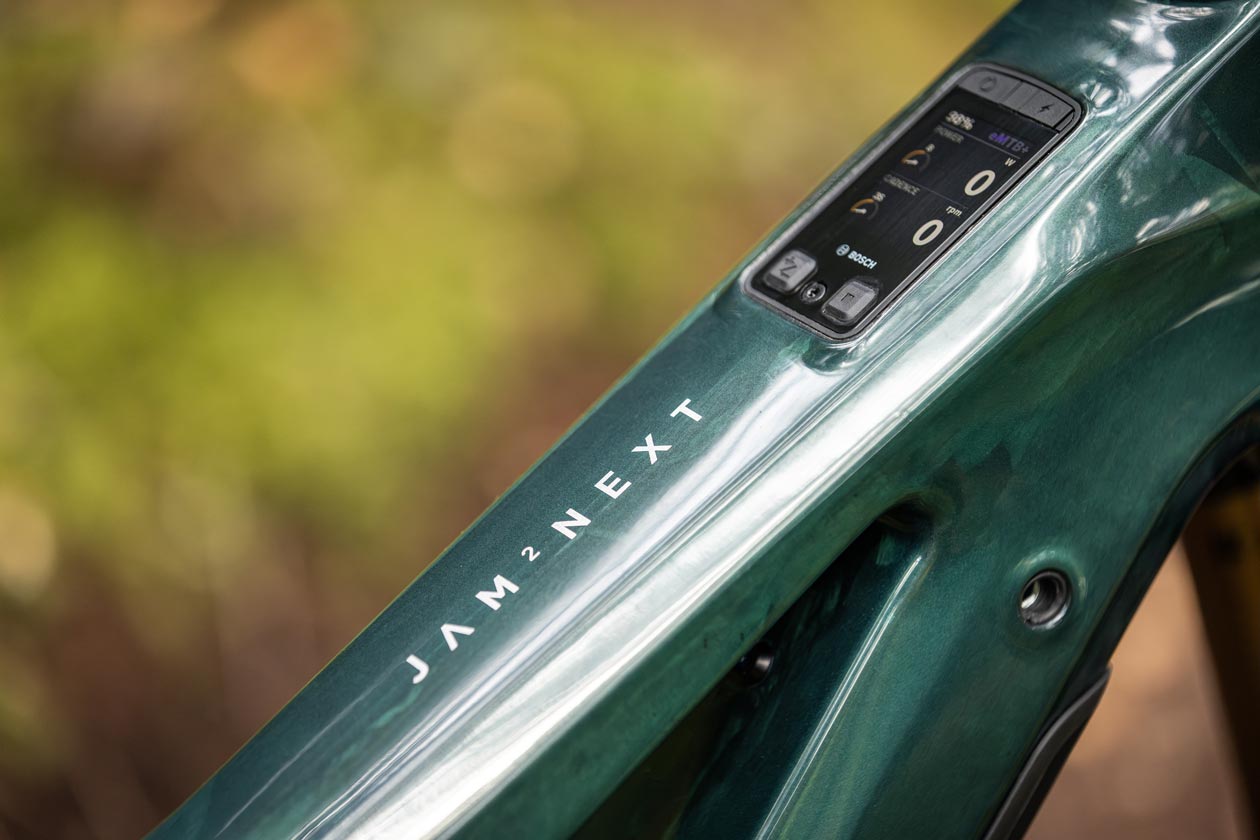
Today was meant to mark the launch of the new Focus Jam2 NEXT eMTB, a Thermoplastic version of their Bosch CX-powered Jam2 eBike, which promised recyclability and sustainability that is currently not found in production carbon fiber mountain bikes. However, the collapse of Belgian Thermoplastic manufacturers, Rein4ced, means the Jam2 NEXT project will not culminate in the launch of this electric mountain bike to the market, at least not for now.
Instead, Focus has pivoted this project, which was never intended to be a money maker, to the conversation of how carbon fiber bicycles are currently produced. They want to push towards a future where the cycling industry can transition to more sustainable manufacturing materials and methods for their high-performance models.
So, what was the NEXT generation of the Focus Jam2 intended to be, and what does Focus think the future of carbon fiber eBikes should look like? Let’s dive in.
WHAT IS NEXT?
German brand Focus Bikes has been making bicycles across disciplines since 1992, and currently offers a range of gravel and road bikes, as well as electric bikes that span from urban machines to eMTBs like their Jam2.
Currently, the Focus eMTB range contains primarily aluminum alloy frames, with a handful of carbon fiber SL eMTB models. The alloy bikes are relatively easy to recycle, and while aluminum frame production is not entirely clean, it avoids the conditions and energy that carbon fiber mountain bike frame production demands.
From structural optimization that delivers reduced weight with no loss of strength, through to the clean looks and unique shapes that carbon fiber frames can achieve, Focus admits that there are significant benefits to carbon fiber. However, the non-recyclable nature of the typical thermoset carbon fiber used to manufacture a carbon bicycle leads to significant waste and landfill at the end of the product’s life. So, Focus began the NEXT project to find a better way of producing a carbon fiber version of their Jam2 eMTB.
Collaborating with Belgian company Rein4ced, Focus developed the Jam2 NEXT using thermoplastic carbon fiber and a unique manufacturing process. Had it not been for the collapse of the Rein4ced company and therefore the loss of the manufacturing partner that was going to make the next generation of high-performance Focus carbon fiber eBikes, the Jam2 NEXT would have been delivered to market and formed the basis for future Focus electric mountain bike development.
WHY THERMOPLASTIC?
By developing the Jam2 NEXT using thermoplastic carbon fiber, Focus wanted to consider not only the manufacturing process, but also the end of the product’s life. Thermoplastic carbon fiber bicycles manufactured in the process developed by Rein4ced are less wasteful, as offcuts from the carbon fiber can be used as a chopped fiber composite for less structurally significant components. Less energy is used for material storage, since thermoplastics can be stored at room temperature for years, rather than frozen like thermoset composites. With the manufacturing process used by Rein4ced, the frame requires minimal finishing when it comes out of the machine. This reduces labor hours and increases automation.
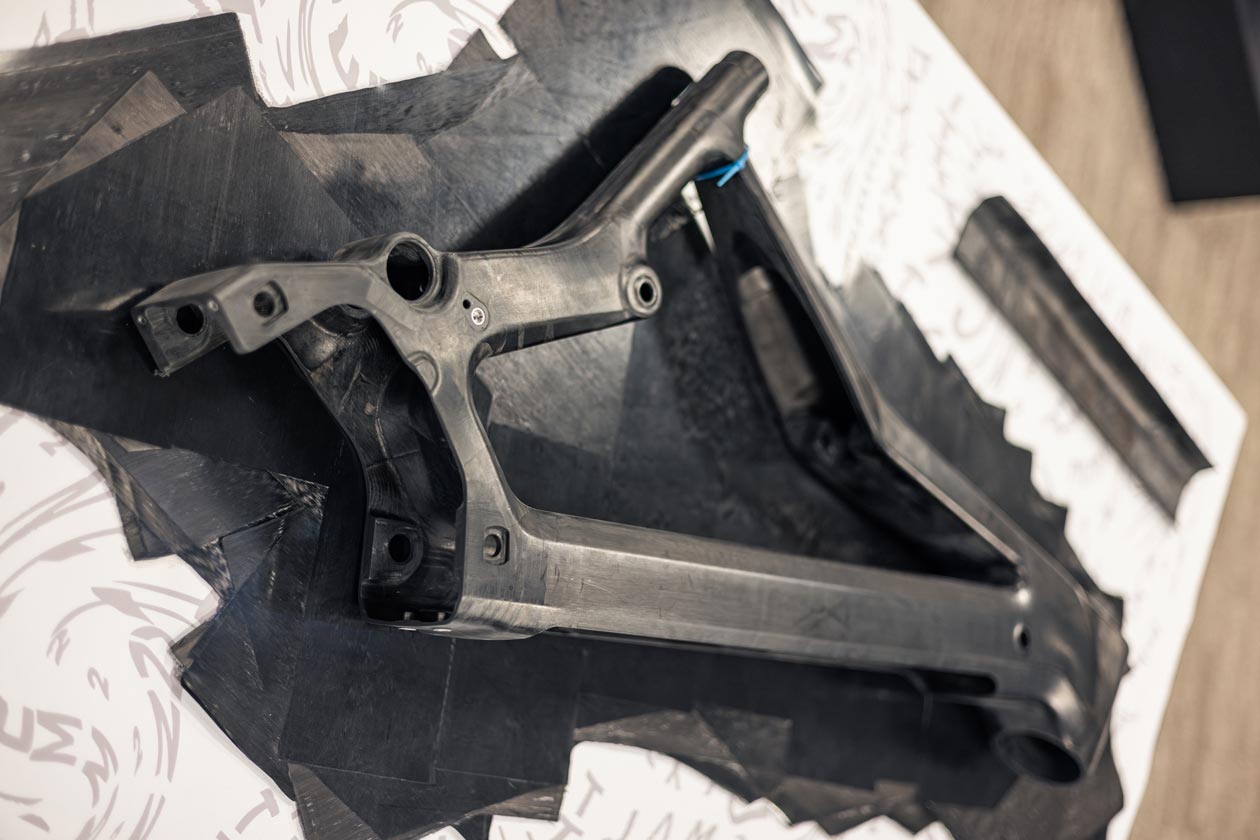
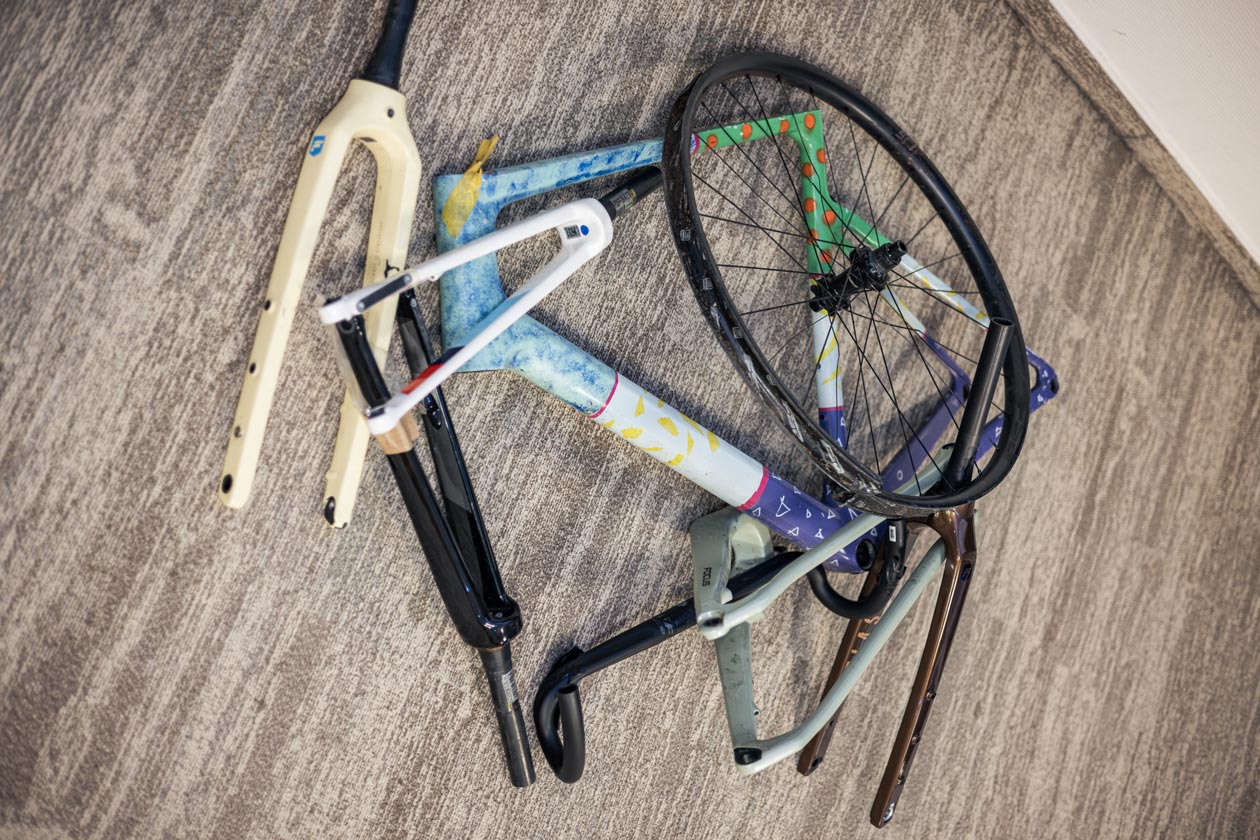
But it’s the recyclability element that makes thermoplastic composites such an attractive proposition. At least, once there is a wider spread use of thermoplastic materials and the processes and infrastructure are in place to recycle them. At the end of a thermoplastic composite’s life, it can be processed to be reused in a still somewhat mechanically efficient way. That is to say, it could retain some of its strength after being recycled, making it useful for chopped fiber components. It still won’t yield a circular manufacturing process, but the output is significantly better than a thermoset carbon fiber. Recycled thermoplastic carbon fiber could still be utilized to produce a bicycle frame of a lower performance level.
Why does this matter? Well, it’s estimated that there will be over 800,000 tonnes of carbon and glass fiber waste by 2050. And with only so much space on this little planet of ours, this quantity of non-biodegradable landfill should not be taken lightly.
Of course, the recycling infrastructure will still need to be developed and implemented for thermoplastic frames all over the world to be received and processed. But by improving the recyclability of the product in the first place, it could be an important step towards a more sustainable future.
THE PRODUCT THAT COULD HAVE BEEN
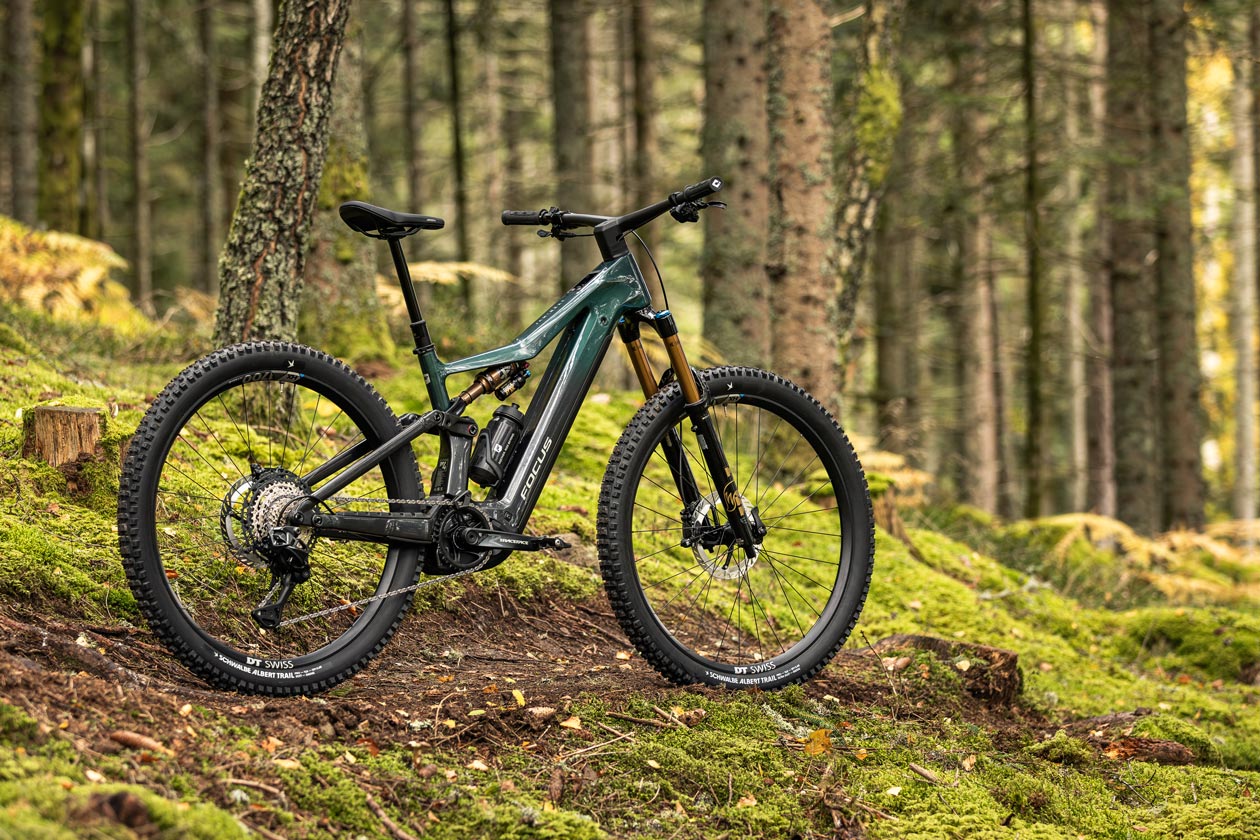
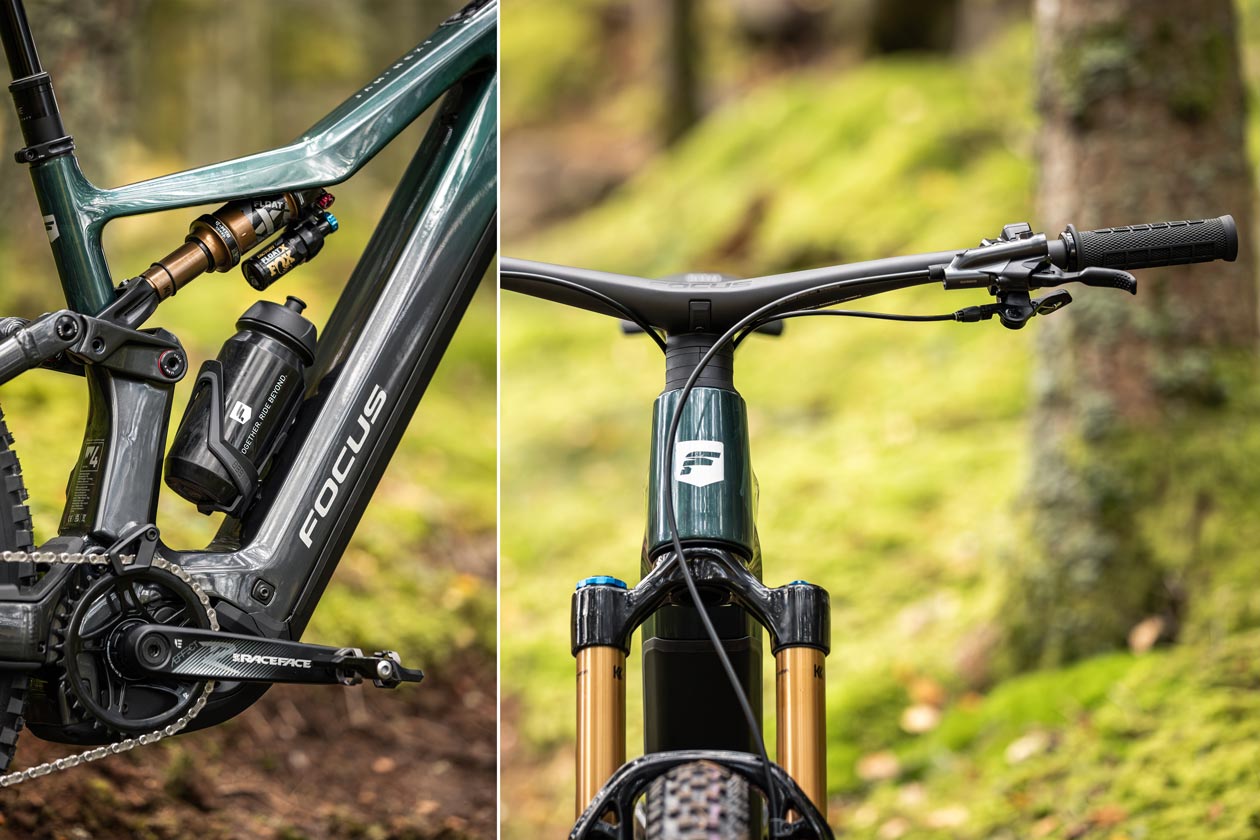
For the Jam2 NEXT project, Focus developed a thermoplastic front triangle to be mated with their existing aluminum alloy rear end, which is produced with green electricity. This yielded a 1040g weight reduction over the alloy front triangle found on their production Jam2, which is likely to be appreciated by riders seeking a sharper, more agile eMTB.
This thermoplastic front triangle was developed to ensure the best possible sustainability and future recyclability. The composite was of a single material type; the plastic parts used in the frame were produced from recycled plastic; and the inserts were made using recycled German aluminum. From the Rein4ced factory to the paint shop to the Focus warehouse, the front triangle would only travel 410km.
By making the manufacturing process of this thermoplastic eMTB heavily automated, the likelihood of human error was reduced and so the frame quality and consistency should increase accordingly.
Focus only intended to produce 200 units of the Jam2 NEXT, kicking off their pathway to sustainable bicycle manufacturing without excessive financial risk.
NOT QUITE YET.
With the bankruptcy of Rein4ced – the manufacturing partner with whom Focus had developed the Jam2 NEXT – comes the end of the project, at least for now. That is not to say that Focus will use this exercise as a proof of concept from which to begin future bike developments, but the 200 units that Focus had intended to manufacture for sale will no longer be fulfilled.
For Focus, the Jam2 NEXT project will serve as a base from which future sustainability efforts will be made for their next eBikes. It’s a call to the bicycle industry to do better, and to move towards a more environmentally conscious outlook on producing our beloved two-wheeled machines.
HOW DID IT RIDE?
Focus Jam2 NEXT First Ride Review
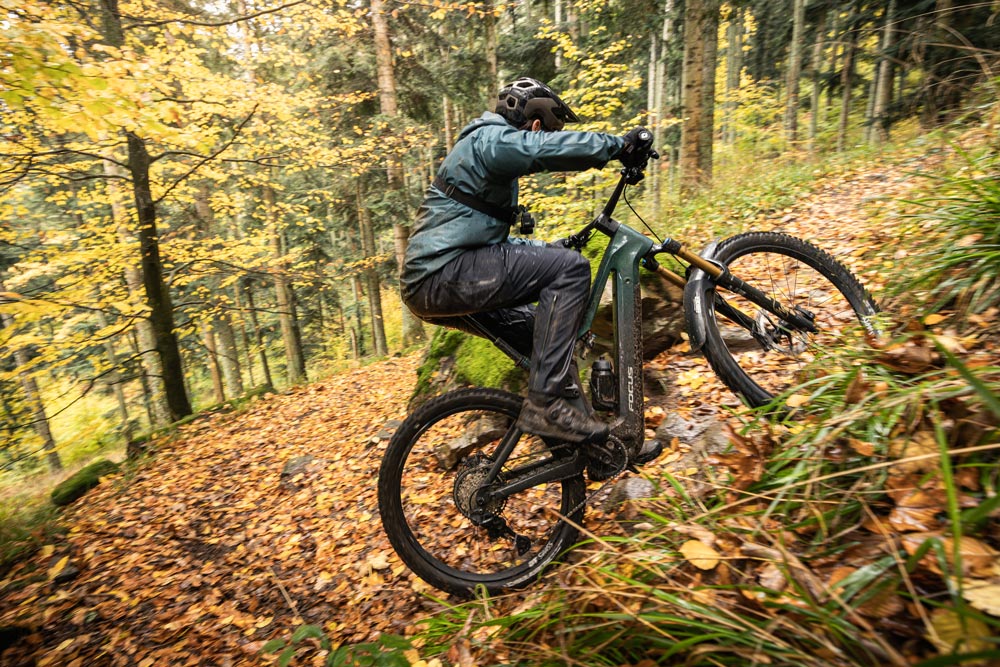
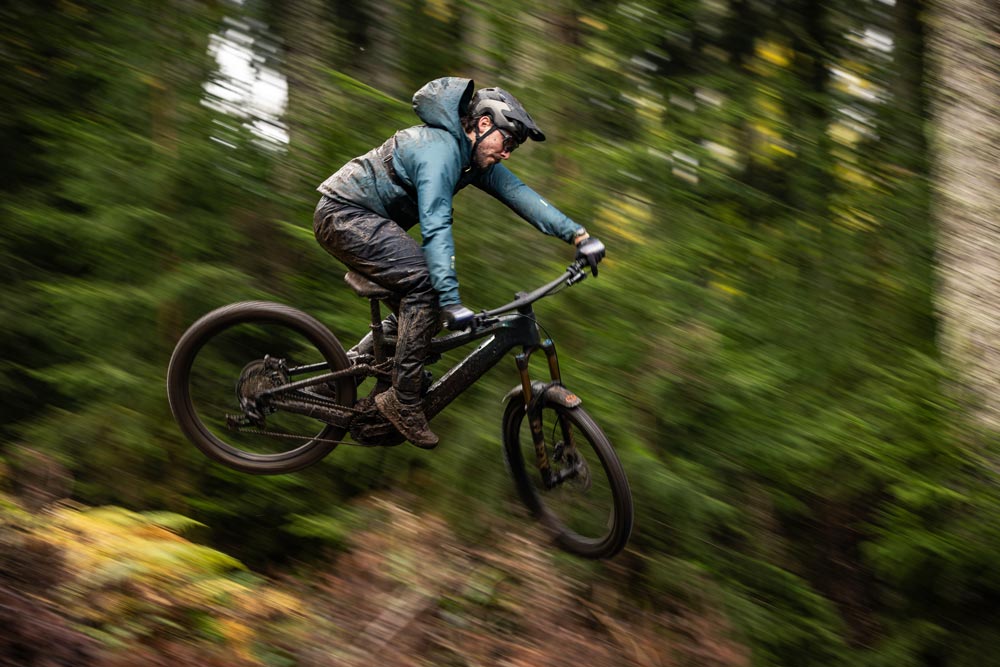
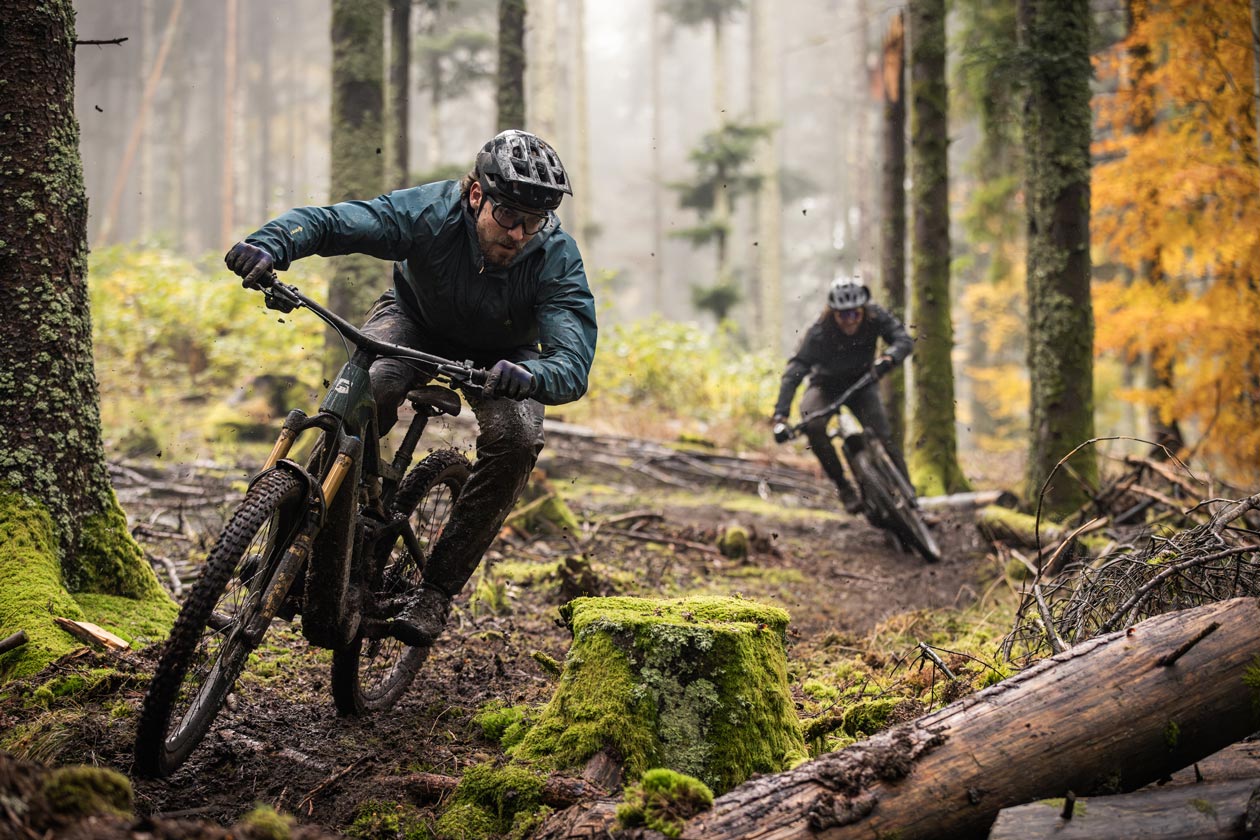
I was lucky to be one of a handful of people to have the privilege of riding Focus’ first thermoplastic eMTB for a wet and wild two days in Les Vosges region of France. With saturated muddy trails, it was an extremely fun time, but it didn’t serve to be the ultimate proving ground for this future-looking eMTB.
What it proved was that the thermoplastic material did not have any significant drawbacks. The 1kg (2.2lbs) of front triangle weight reduction was offset by over a kilo of mud clinging to it, and while that still yielded a net reduction of 1kg total weight, the Jam2 NEXT didn’t feel like an SL eBike by any means. It was unremarkable to ride in these conditions, in fact. Not bad by any means, but not groundbreaking. While this may sound negative, I’d say this is exactly where you would want the thermoplastic front triangle to land – give me the eco benefits with no perceivable change in performance over a thermoset frame, and I’m a happy man.
THE WOLF’S LAST WORD
It’s great to see Focus pushing towards a more sustainable future for high-performance bicycle manufacturing, and heartbreaking for the project not to see the light of day. While the Jam2 NEXT may not have revolutionized eMTB performance, it was set to be a welcome step in the right direction, and we hope they can find an alternative manufacturer to resume the project and encourage the rest of the industry to follow suit.
Website: Focus-bikes.com