


ABOUT THE TRANSITION SPUR
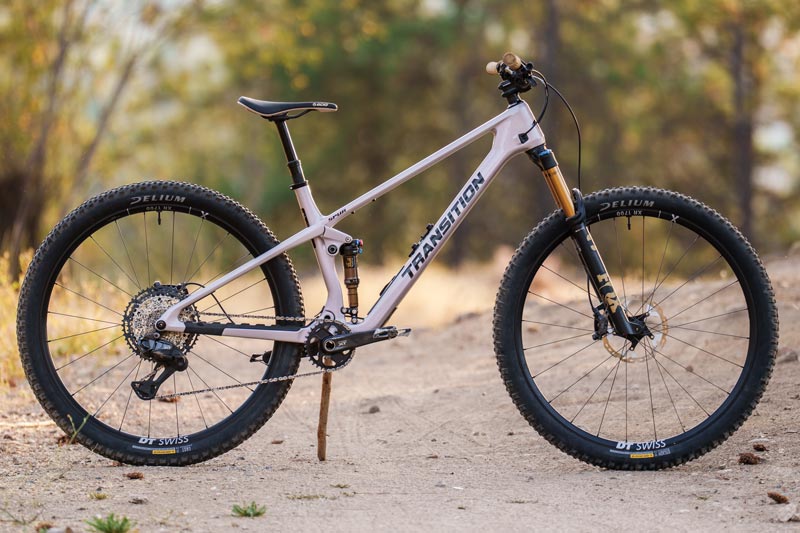
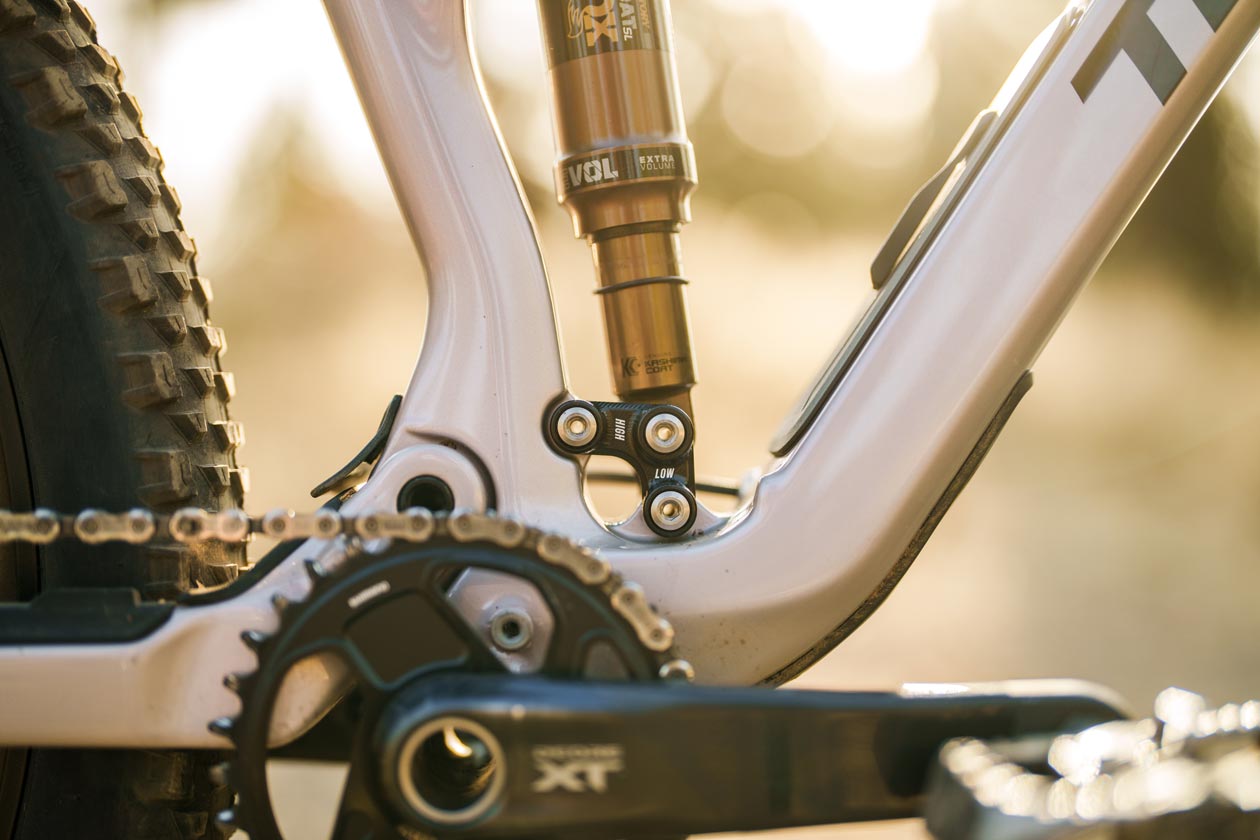
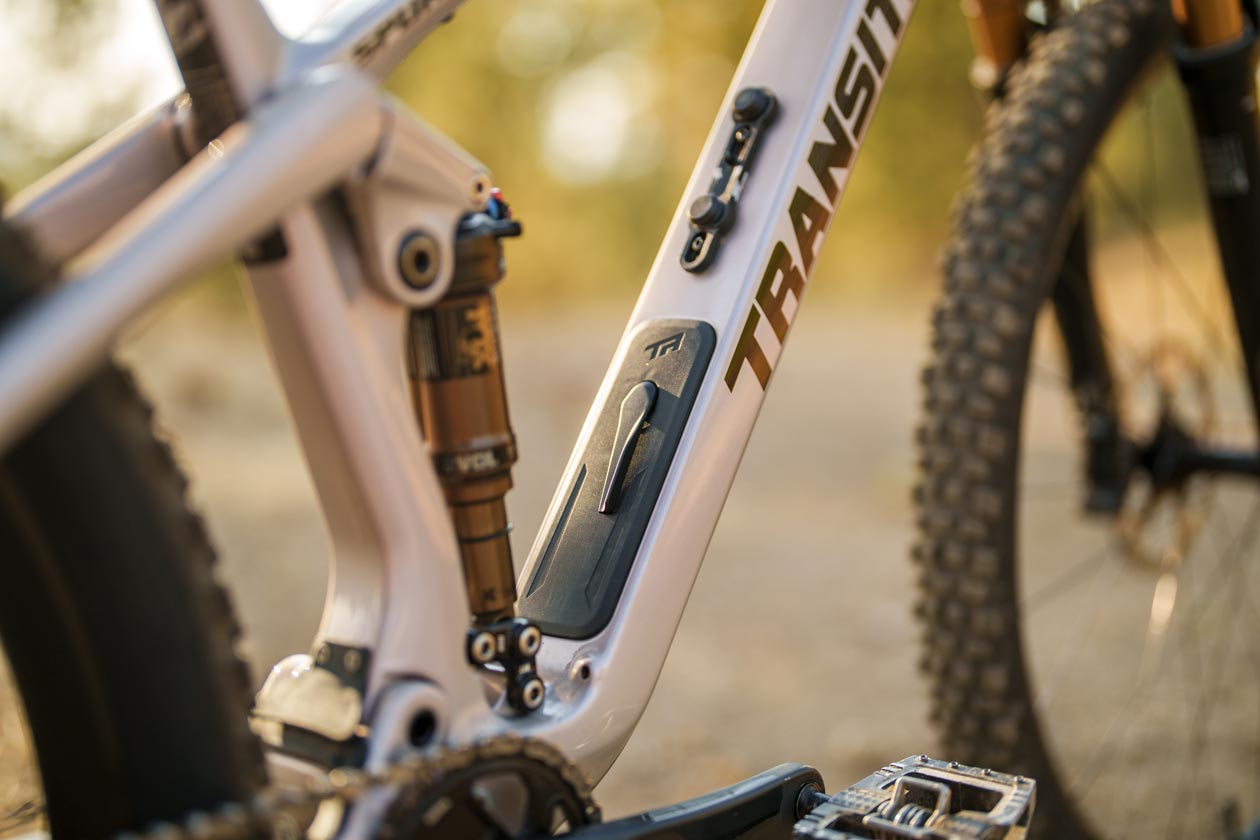
Transition thinks that just because the Spur is short on travel, it does not have to be short on fun or capability. The four-Bar flex stay suspension platform delivers 120mm of travel out back, which is paired with a 130mm fork up front. While the geometry on the first generation was aggressive for its time Transition, turned it up to 11 and now offers a hi/lo position change giving riders a 0.5º HTA adjustment and 7mm BB height adjustment. It is worth noting that the high positions geometry nearly matches the original version, so hardcore Spur fans can rest easy. The frame has also been bumped to 30% progression for even more big hit capability. Transition has also added in frame storage, which does come at a very small weight penalty when compared to the V1. But even with that, the Spur is still the lightest bike on test at just 28.4lbs (with DH pedals!).
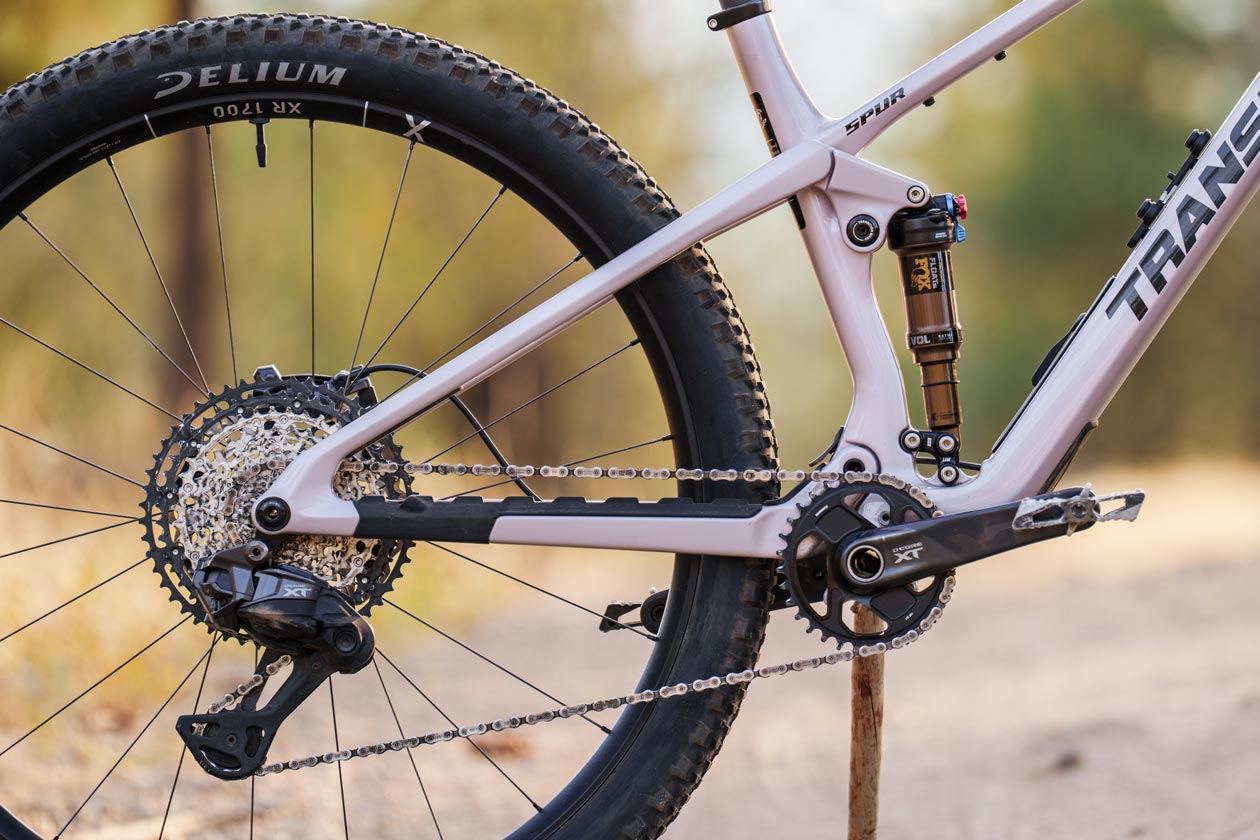
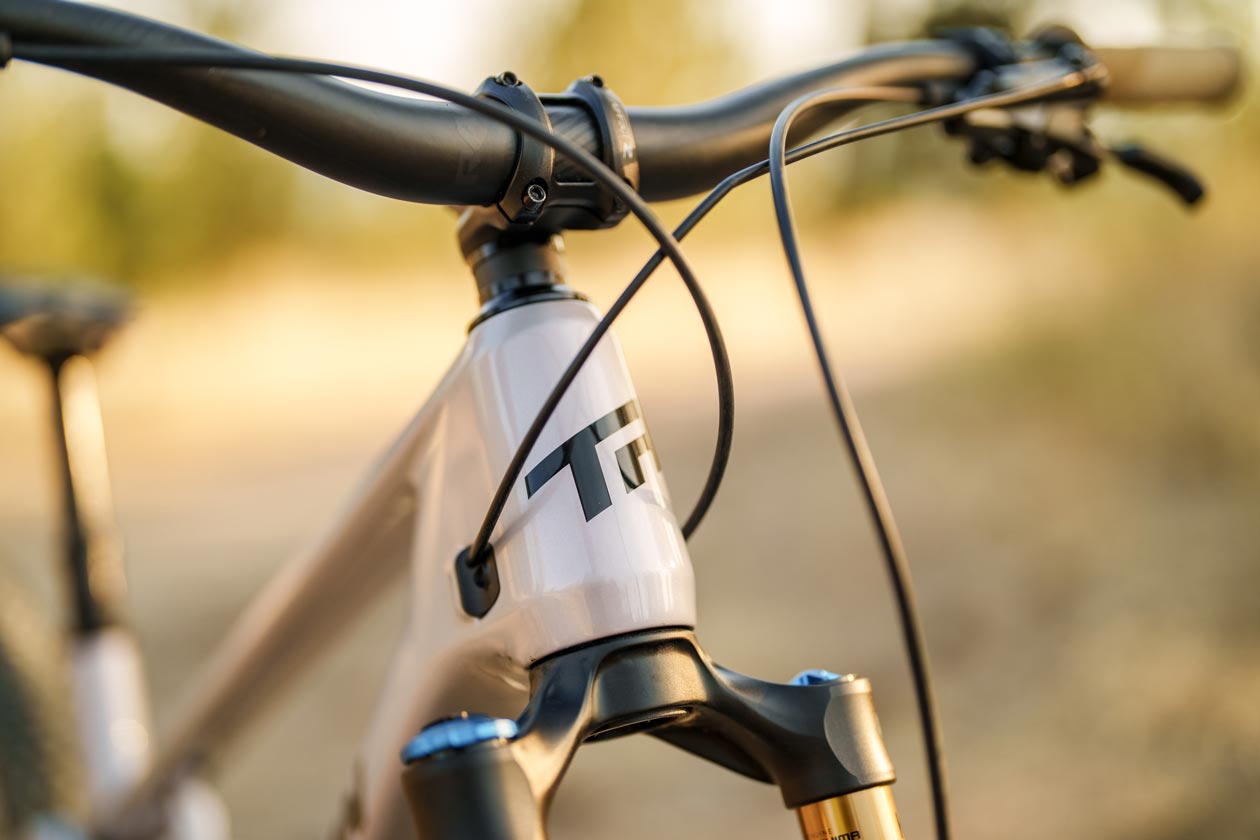
The frame features fully guided cable routing, ample rubber protection, and has a built-in mud fender protecting the lower link. The seat tube is uninterrupted which means us long leg, 250mm dropper using folks can fully slam to post for rowdy days. It is worth noting the hi/lo flip chip is only for geometry adjustment is not meant to accommodate a 27.5” rear wheel.
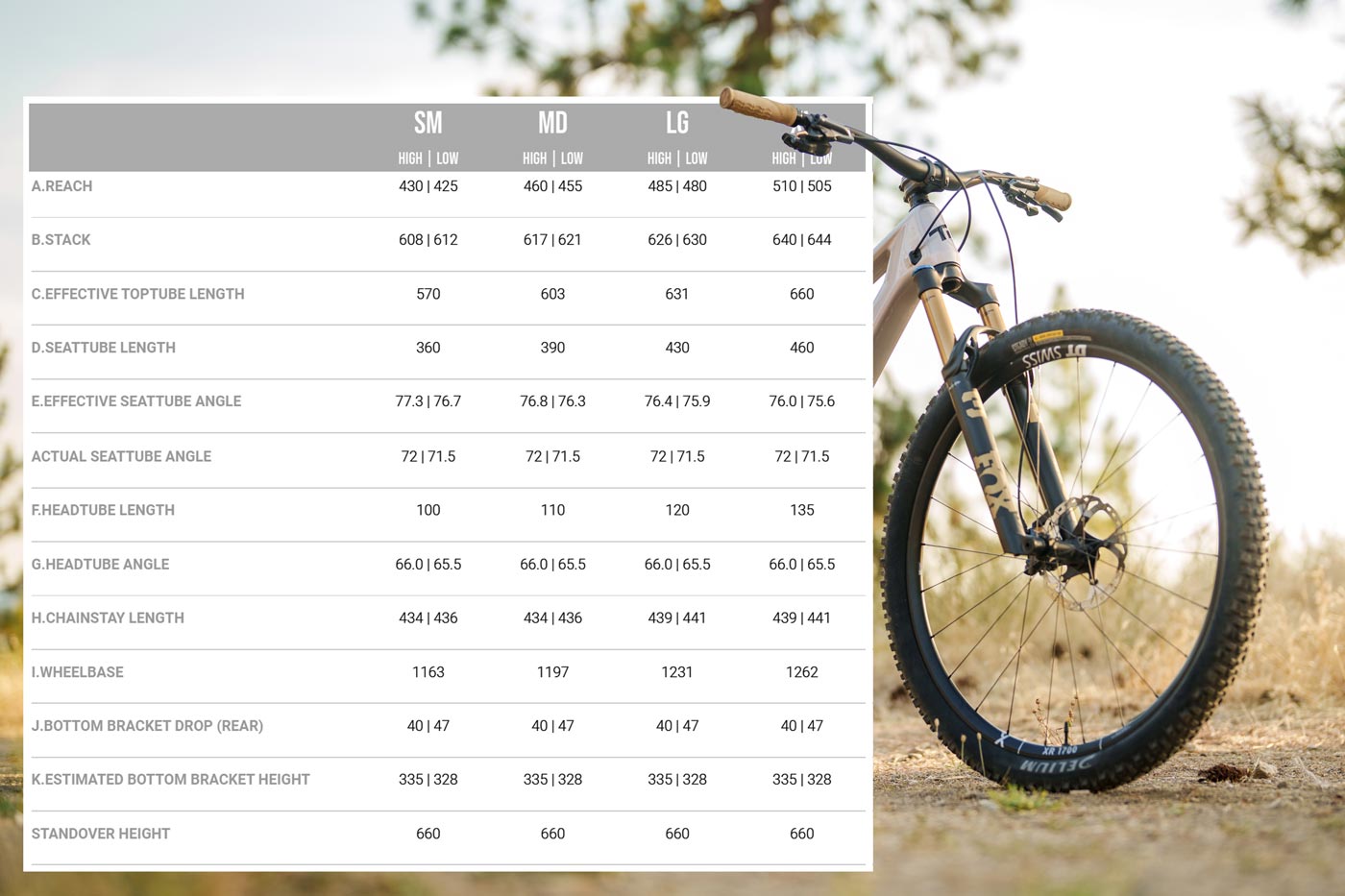
TRANSITION SPUR GEOMETRY
The Spur is available in sizes Small – Extra Large, with chainstays growing between the S/M and the Large/XL, the latter featuring a 441mm length. There is a 65.5º head tube angle that hides itself very well. Stack lands at 630mm, finding a good balance of front end grip and an upright climb position. We kept the Spur in the Lo setting for nearly the entire test period as this fit our preferences the best.
TRANSITION SPUR BUILD OPTIONS
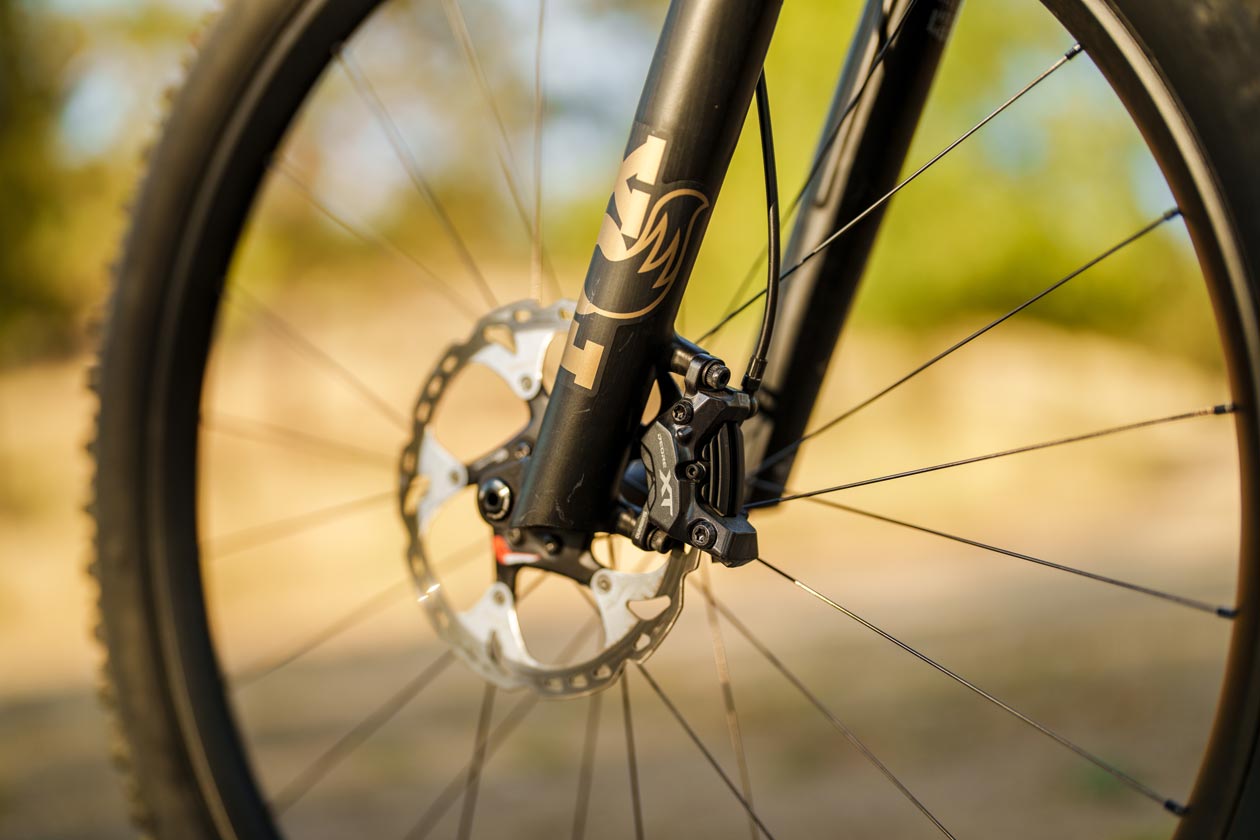
There are a number of different build kits on offer, all of which are carbon fiber frames. Our XT Di2 build lands in at $7,499 with a Fox Factory 34 SL up front and a Float SL out back. There is very little to be desired from this spec in our opinion. The entry level Eagle 70 model comes in at $5,499, and the top spec XTR Di2 will set you back $10,999.
RIDING THE TRANSITION SPUR
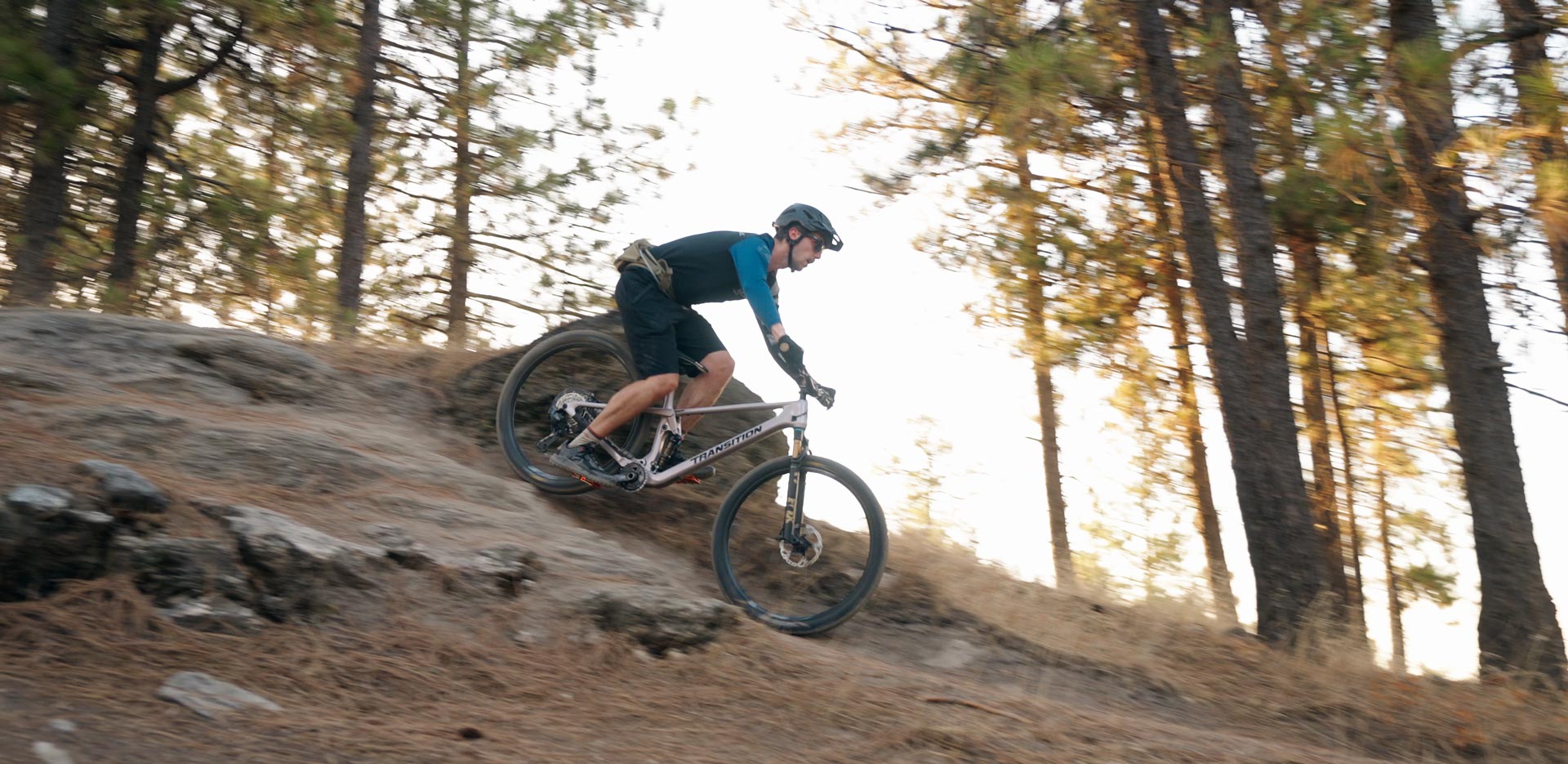
CLIMBING PERFORMANCE | The Spur was one of the more balanced bikes on test, the rear end delivered a fair amount of traction, and with solid efficiency it presented an easy and comfortable bike to climb. Even with the Spur being the lightest bike on test, it did not feel the fastest. This was something that was really hard to pinpoint down to any one thing. The climb position does lend itself to being more forward bias like many of the bikes on test but did not leave us feeling too far over the front of the bike.
When getting up and out of the saddle, the Transition Spur sat into the travel more than others, which did zap some of your forward momentum, but made up for it in the traction department. The nearly unlimited amount of seat post insertion was a nice bonus as well. The head tube angle aided in navigating tighter sections of trail, and made it easy to get your weight up and over the front wheel. The chainstay length did a solid job of keeping body weight centred when the climbs got steep, providing a predictable amount of traction.
The Transition Spur lended itself to being on the more comfortable and traction rich side rather than the more supportive spectrum on the climbs. This creates a bike that handles loose terrain quite well as well as being very comfortable for big days in the woods.
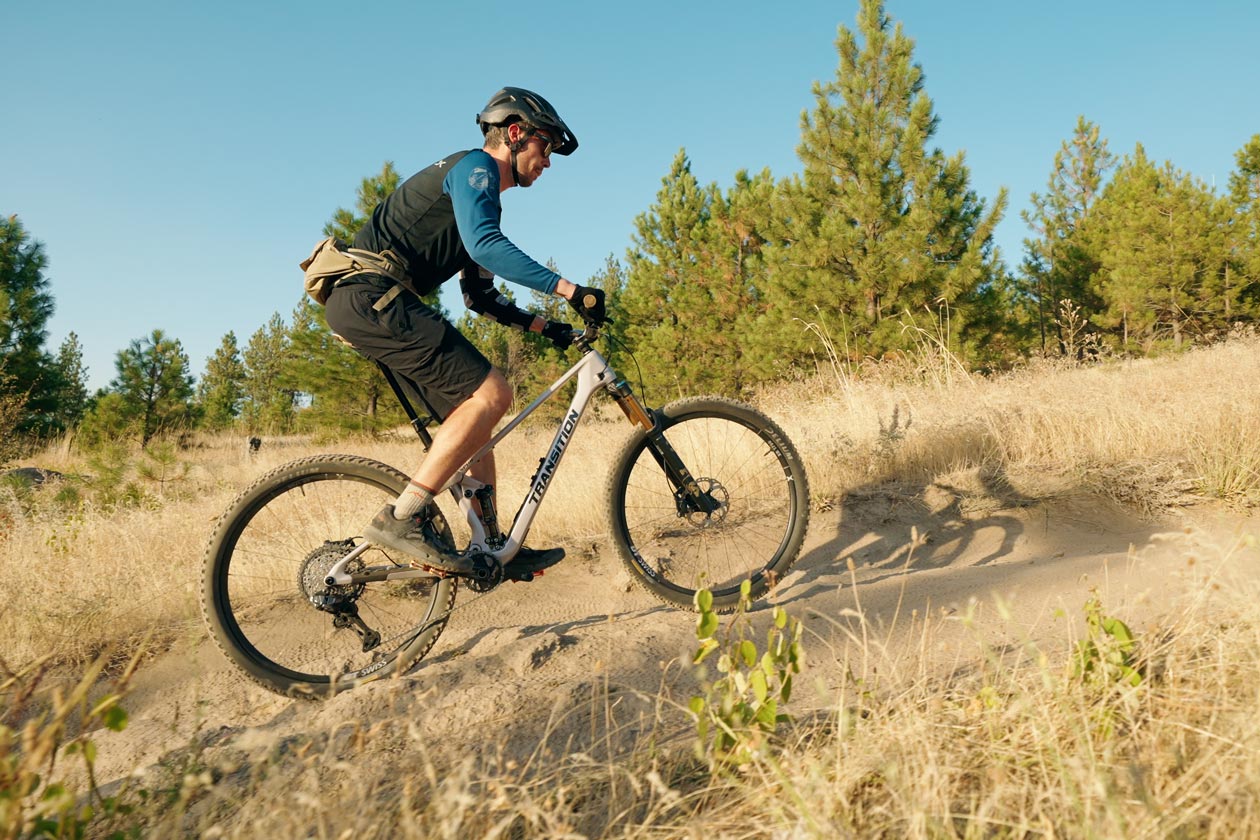
DESCENDING PERFORMANCE | The Transition Spur is an extremely well-balanced descender. If you like slow speed tech it is going to be very predictable and easy to ride, yet the Spur rides much more stable than its geometry on paper might suggest. It sits somewhere in the middle when it comes to outright playfulness, with more rider input needed to get the most out of the frame on bonus lines than some. But with that said, it is very confidence inspiring when it comes to hitting larger jump lines.
The suspension handles both big hits and high frequency chatter very well, with a wide setup window in which the rear end feels good. The Spur delivered a very set and forget style of setup. The flex stays were never something we worried about pushing too hard, and we took the Spur well into double black tech that would conventionally be outside of the remit of a bike in its travel category. It strikes an exceptional balance of being fun and playful yet stable and confidence inspiring.
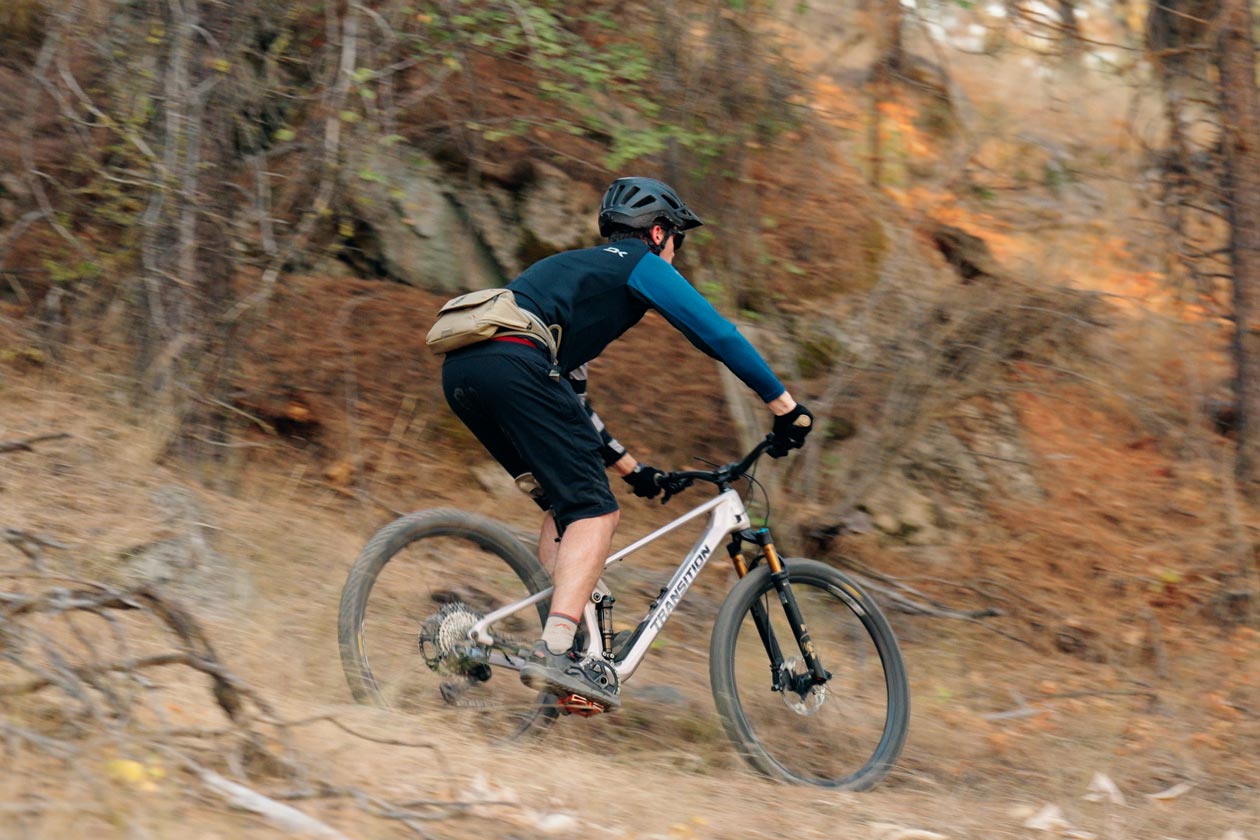
When you start to push higher speeds into more technical bigger hitting terrain the Spur has a soft edge of being on its limit, which I really value. It rides more capable than the geo on paper might suggest. With how light our build is I can very much see opting for some truly aggressive tires and even a 36 SL fork paired with a piggyback shock to really capitalize on its capability when it comes to descending.
HOW DID IT COMPARE?
The Spur somehow sort of gets lost in the shuffle of bikes with more polarizing and unique traits, and I say that with the utmost liking for this bike. The Spider is heavier and less efficient but has a eye wateringly fun suspension feel. The Santa Cruz Tallboy is an insanely capable descender that knocks your socks off on the way down, but is less than idea on the way back up the hill. The Revel Ranger and Trek Top Fuel both have crazy good climbing performance with descending performance that is no joke either. The Spur is one of two bikes that I really struggled with putting a finger on where it sat for me. On one hand it does everything damn good but on the other I was hoping for a standout feeling that would bring me back to it with the large staple of different bikes on test. With that said, it is still probably the bike I am going to recommend most for riders looking at bikes in this travel range.
The Wolf’s Last Word
Well balanced and here for it all, the Spur is a bike that can put a smile on pretty much any mountain bikers face. Maybe not the most efficient climber in our group but well makes up for it on the way back down the hill.
WHO SHOULD BUY THE TRANSITION SPUR?
The Spur is one of those bikes that is just a great mountain bike, not focused entirely on one area but balanced across them all. This could easily be a riders one bike, especially with some burlier parts. No doubt it can crush your local XC races but also hold its own on shuttle days. There are not many riders I would not suggest the Spur to. The Spur was nearly my overall editors choice pick for how easy and fun it is to live with day in and day out. Can’t go wrong here. 
Price: $7,499
Weight: 28.4lbs (As Tested with Crankbrothers Mallet DH and Delium Tires )
Website: Transitionbikes.com
SHARE THIS REVIEW
2026 SHORT TRAVEL TRAIL BIKE SHOOTOUT SPONSORS
SUPPORT AND JOIN THE LOAM WOLF PACK
Want to test products for The Loam Wolf or be a Guest Tester at one of our Shootouts? Join here and be entered into monthly giveaways, have access to industry discount codes, sneak peaks of new products and more!
This is a new and positive MTB community that directly impacts future of MTB product development, shares helpful tips, setup suggestions and more.
Check out our NEW community here.