

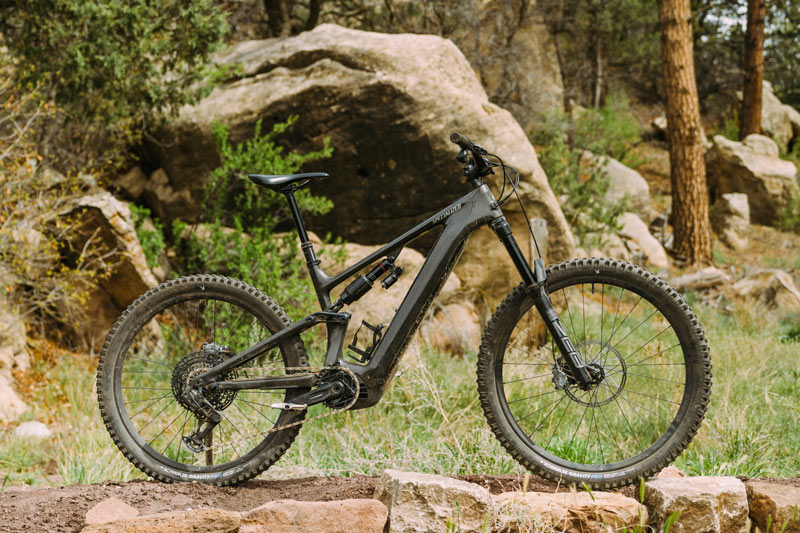


ABOUT THE SPECIALIZED LEVO EVO SPECS OVERVIEW
The Specialized Levo 4 EVO is a big-hitting version of the Levo 4, currently offered only with the FACT 11M carbon fiber frame, which delivers 170mm rear travel thanks to a longer shock stroke and different shock extension. The mixed wheel-only Levo EVO is given a 180mm fork, and features the same premium features as the Levo 4, including in-frame storage and geometry adjustment for head tube angle and chainstay length. Powering the Levo EVO is the Specialized 3.1 drive unit, offering competitive power figures.
SPECIALIZED 3.1 EBIKE SYSTEM SPECS
The Specialized 3.1 drive unit is a 3.2 kg (7 lbs) drive unit producing 810W peak power and 105Nm maximum torque. There is currently no S-Works Levo EVO, thus the 111Nm is not offered in the EVO, at least for now.
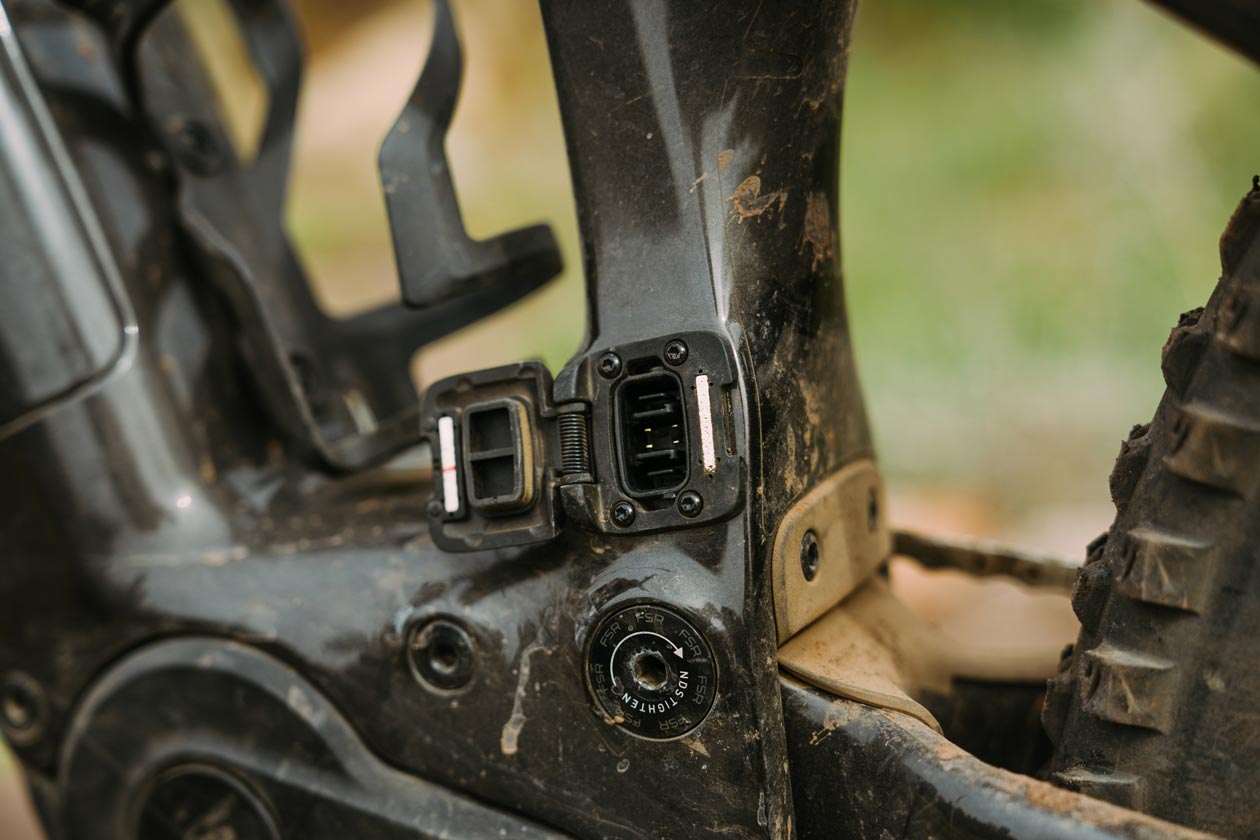
Powering the Specialized 3.1 drive unit is a removable 840Wh battery that weighs 4.4kg (9.7lbs), accessed through a bolt-in, side-entry system. This affords space for a SWAT storage box on the top of the battery, giving useful carrying capacity for spares. This battery can be exchanged for a 3.2kg (7 lbs) battery with 600Wh capacity if more agile handling is desired. A 280Wh Range Extender can be added to boost range, and the system can be powered exclusively by this range extender for the days when handling is the top priority. As standard, the Levo EVO is supplied with a 4A charger giving full charge in around 5 hours, but the aftermarket 12A smart charger can bring this down to just 2 hours.
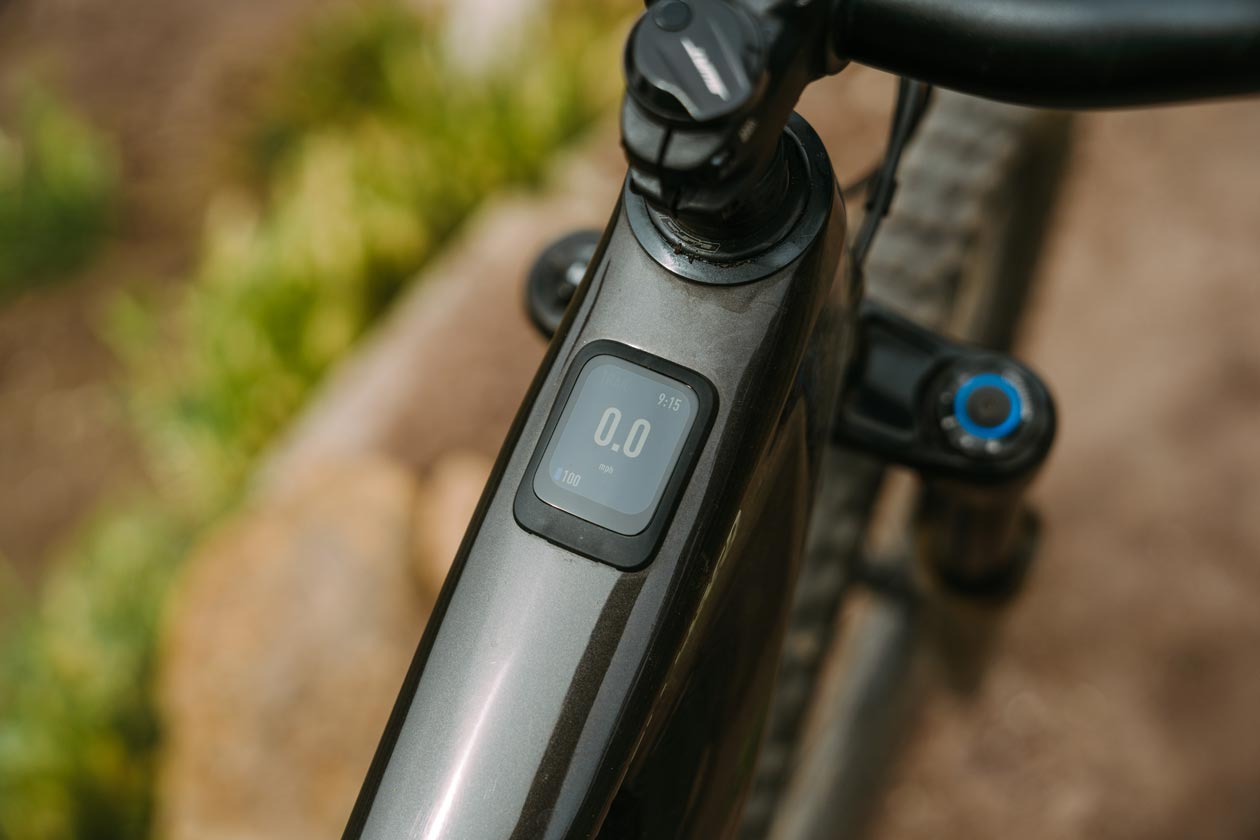
Specialized’s Mastermind TCU features a 2.2” high-resolution display, which can be fully customized with the Specialized app. This app also enables a host of features from security to mode tuning, over-the-air updates and ride tracking. Apple Find My integration adds further peace of mind. On the left side of the handlebar, a wired remote gives control of the system modes and walk function.
SPECIALIZED LEVO EVO GEOMETRY
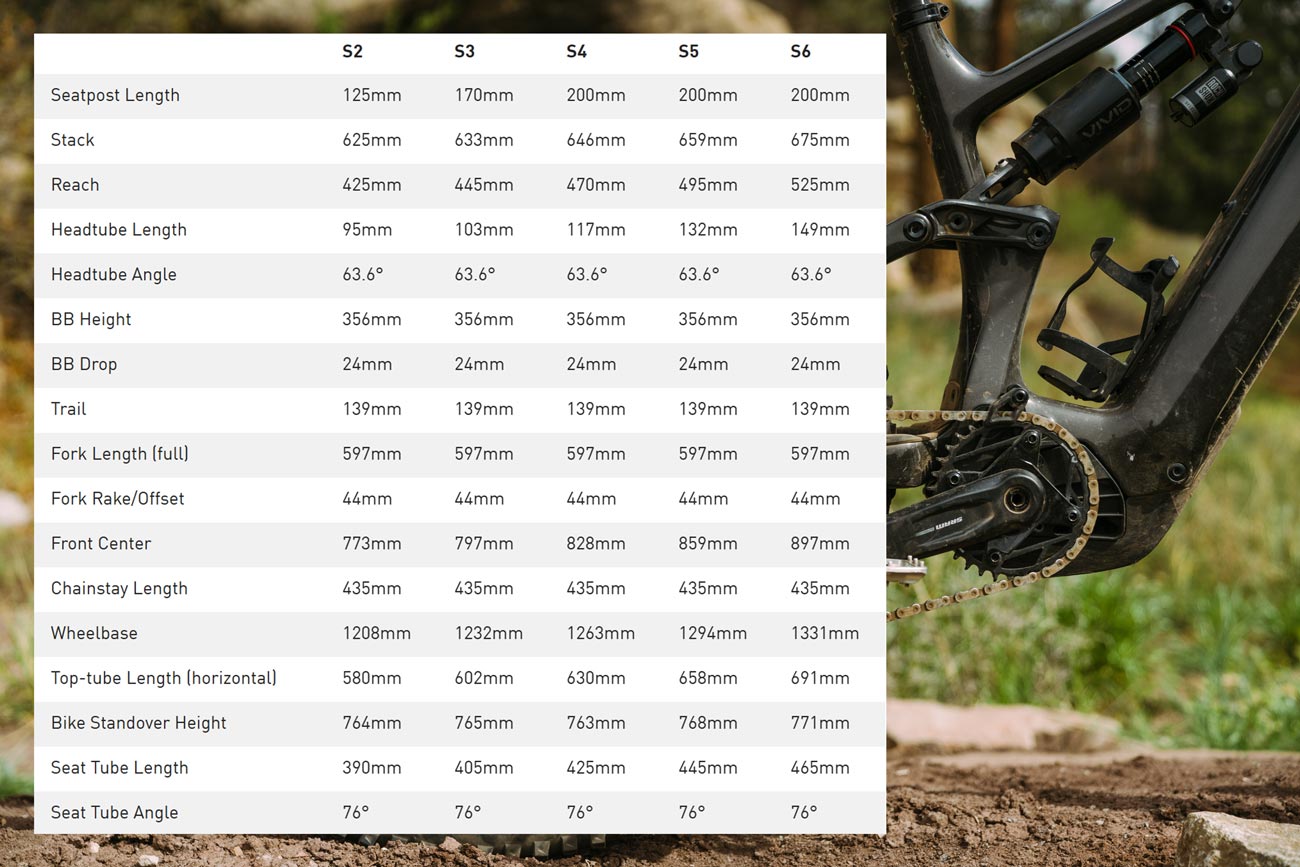
The Specialized Levo EVO has geometry adjustment built into the head tube and rear dropouts, giving chainstay length, head tube angle and bottom bracket height tuning potential. The base geometry is fairly aggressive, with a slack head tube angle and short rear end giving some freeride-inspired handling characteristics that had our crew somewhat divided.
Offered in sizes S2 to S6, most riders should find a comfortable fit. On the size S4 tested, the 470mm reach and 646mm stack height gave our 5’10” to 6’2” (178cm to 189cm) crew a comfortable fit.

SPECIALIZED LEVO EVO BUILD OPTIONS
The Specialized Levo EVO is offered in a choice of two build specs with the same carbon frame and 3.1 drive unit: the $8,499 Comp spec tested, or the $10,499 Pro build.
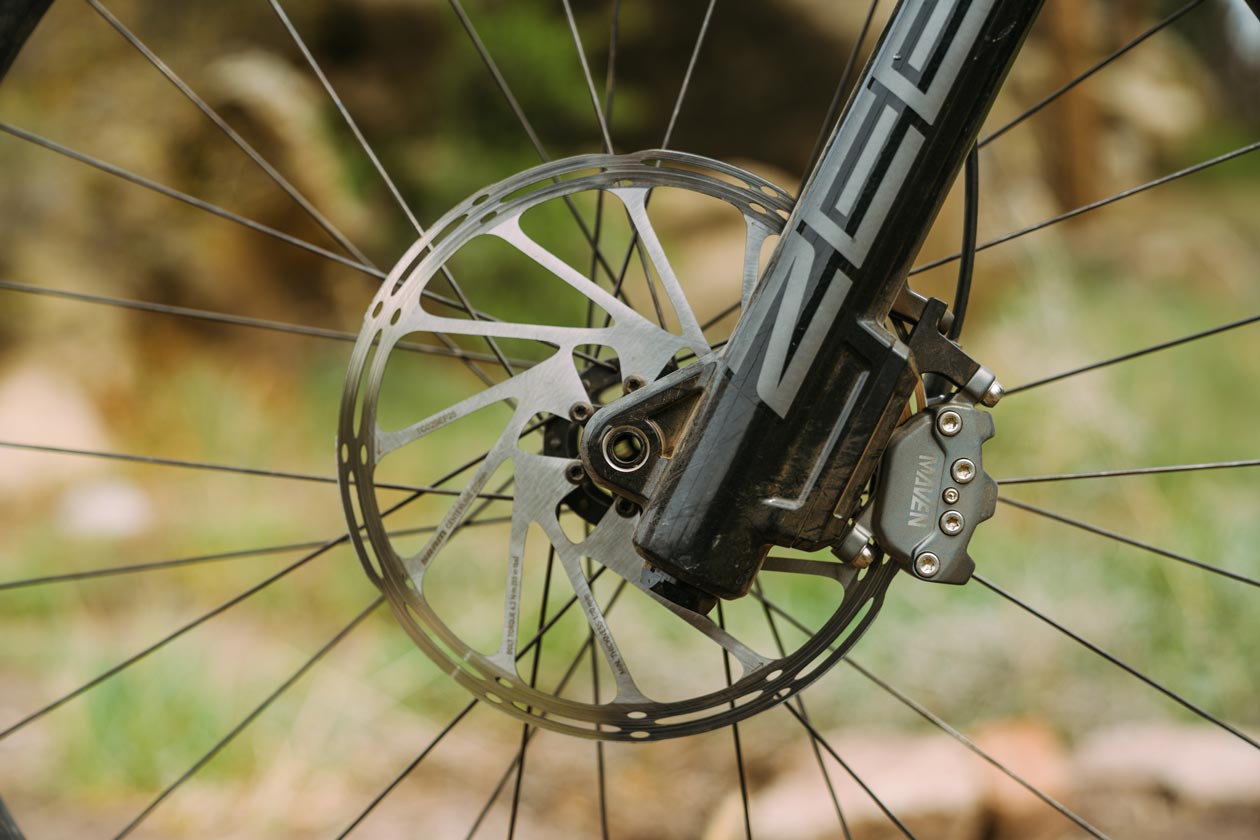
The Comp featured a sensibly selected build, with the RockShox Zeb Select fork with Delta RC damper and Vivid Air Select shock giving solid performance. A SRAM Maven Bronze brake spec delivered stellar power, but required the usual piston massaging to ensure consistency. A mix of SRAM S1000 and GX T-Type AXS drivetrain delivered excellent shifting.
The finishing kit was provided by Specialized, with an alloy bar and stem and their Bridge Comp saddle on top of an X-Fusion Manic dropper post in 190mm length on S4 and above.
Rounding out the build spec, a Specialized Alloy rim on sealed bearing hub was wrapped with a Butcher and Cannibal GRID Gravity tire combination. However, there were replaced with the Schwalbe Tacky Chan Gravity Pro and Magic Mary Gravity Pro tire combination that was our control tire setup for our 2026 eMTB Shootout, offering a consistent and dependable setup for all of our test bikes.
The Specialized Levo EVO Comp in size S4 weighed 55.6lbs (25.2kg) with our Schwalbe control tires.

SPECIALIZED 3.1 DRIVE UNIT PERFORMANCE
- Pure Power: Specialized give the 3.1 plenty of power, though it’s not going to blow your socks off when compared to the in-the-saddle feel of an Avinox. This isn’t a huge issue, as our crew have been tuning down all our Bosch and Avinox bikes as it is. The Specialized 3.1 drive unit delivers good assistance for the steepest pitches, and supports a good speed on flatter pedaling exertions as well.
- Control: Our team had mixed feelings on the control of power. A couple of riders were critical of the slight lag after pedaling and before power would regain, as well as the way in which its power cuts off. This was most notable for those riders on tight, steep switchback climbs, where we planned on the momentum to carry us through with a leaned over riding position, only to nearly tip over as the power cut off was quick and the return to power was slow. It meant a couple of harder pedals or an unclip to dab. Other riders enjoyed the slightly more analog feel, and felt this offered them a better chance of making techy climbs or switchbacks compared to some of the faster, more sensitive drive units.
- Perceived Efficiency: The 3.1 Specialized drive unit sits in the competitive realm with others. What can really help maximize range on these bikes however is the easy-to-use MicroTune feature on the handlebar controller.
- Noise Up and down: Compared to the S-Works drive unit, the 3.1 on this bike seems to have a more distinct buzzing sound. Almost like when you hear those televisions or light bulbs that have a higher frequency pitch to them. Beyond that anomaly, the unit is pretty good overall in terms of acoustics and livability.
- Ecosystem: Beyond the bloated downtube, the Specialized ecosystem has plenty of good things to offer. The display screen had quite a few fans in our crew, and we enjoyed the functionality of the on-bar controller. But there’s no denying, if you’re a techy person, then nothing compares to the data and capabilities of the Avinox.

SPECIALIZED LEVO 4 EVO CLIMBING PERFORMANCE
The drive unit on the Specialized Levo 4 EVO was a bit polarizing for our crew. Some riders really liked the ability to better utilize their own power with the slower response time of the drive unit kicking in, while others felt the delay after pedaling and drive unit engagement taking place was a bit of a downside. The type of terrain you climb and your style of pedaling will likely be factors in how you feel about it, but it’s really only noticeable in situations where you’re frequently stopping and starting your pedal strokes again.
Focusing on other aspects of the bike’s climbing performance, our team felt the Levo Evo was proficient across the board. There’s no denying it’s a big, burly and very heavy eMTB, but for its weight and category, it climbed what we put in front of it. Of course, this bike can be made to climb better or worse based on how you set up the number of geometry adjust settings, but for our riding, mostly in the nominal headset position and the long chainstay, it was capable and comfortable.
SPECIALIZED LEVO 4 EVO DESCENDING PERFORMANCE
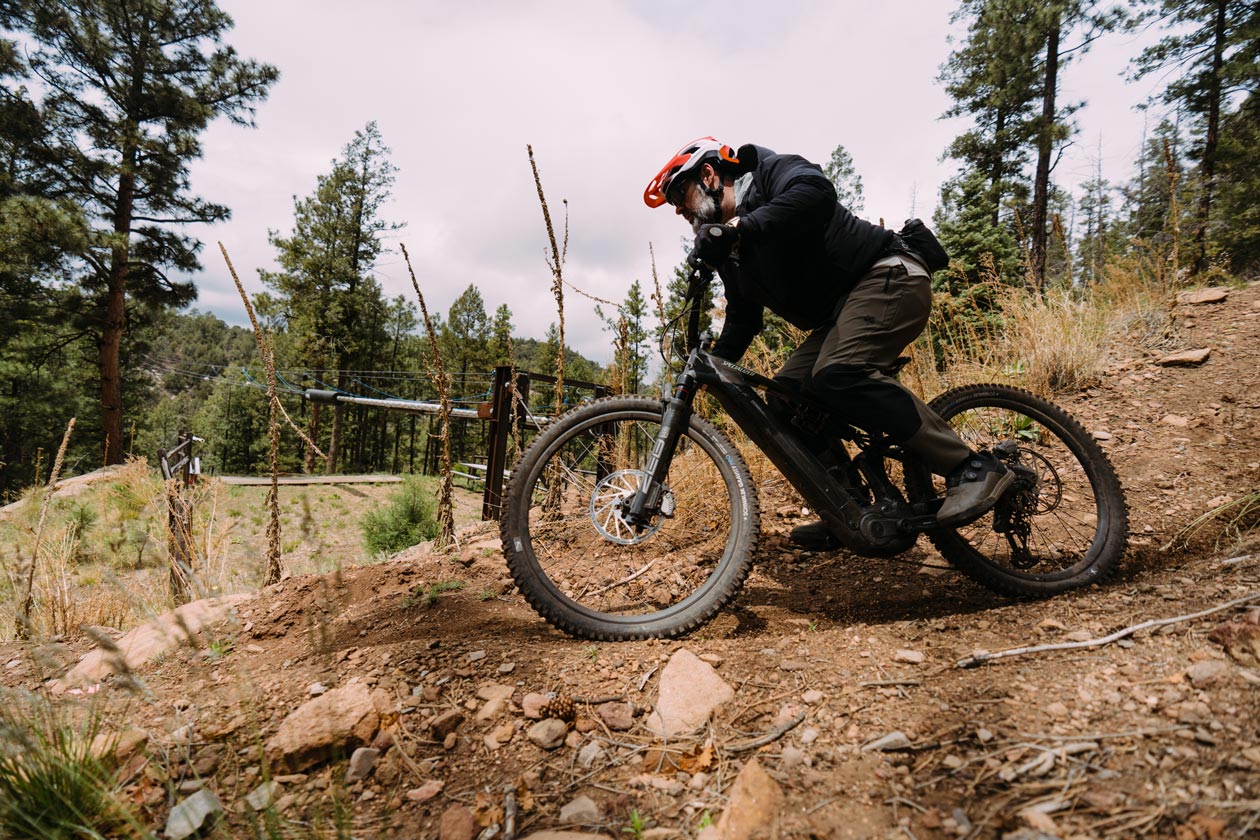
We’ve spent a lot of time on Specialized Levo eMTBs. We’ve ridden everything from Kenevos of years gone by, Levo SLs, the new Levo R and every gen of the Turbo Levo. The Levo Evo is a bruiser, and while the other Levo eBikes in the Specialized lineup offer a lot of versatility, we think that the Evo is a bit more limited in its scope of purpose, which may not surprise you. We bring this up so that riders are properly informed that this will not be a “do-it-all” bike like the regular Levo is. The EVO is designed for the rider who knows what they want, and wants a machine that will handle the gnar.
Beyond the long travel and DH-biased geometry, the Levo Evo’s 55.6lb weight further cements it as a planted and sometimes slower-to-react machine. In the spec we’ve tested here, certain situations showcased how important suspension damping and control are to a bike’s ultimate performance. While the Levo 4 EVO did a good job on just about every trail we rode that pointed downhill, some riders struggled with what we called a “teeter totter” sort of feeling. We did a lot of experimenting, but the result was similar to what those same testers felt on the Fox Podium fork. A more linear and under-damped fork meant that on very steep and steppy DH trails – especially ones with dynamic braking – the rider’s body weight would get thrown forward, causing a reaction of leaning back. Then the rear end would drop off the feature, and the front end would then fall off the next step. Once again, the rider’s center of gravity would get pulled forward, and the cycle would repeat. This back-and-forth see-saw motion led to some riders feeling a bit timid on the nastiest bits of trail. It’s one specific trail scenario, yet it’s one that happens on the bit of trail those riders were already most timid about riding, and this is likely where you’d want a bike to offer you the most comfort. Other riders did not struggle with this issue, so we’ll chalk it up to body height, riding style or personal suspension preferences.
Moving to the rest of the testing, the Levo Evo is ready for action. The rear suspension feel is dialed, offering a nice compliant rear end, but still giving enough support for most riders to not feel like it was just blowing through travel off every feature. It’s not the most playful – its size and weight may have suggested that – but if you’re a rider who prefers to plow over stuff, want a comfortable, longer-travel eMTB that will instill some confidence on gnarly terrain, the Levo Evo is willing and able.
HOW DID IT COMPARE?
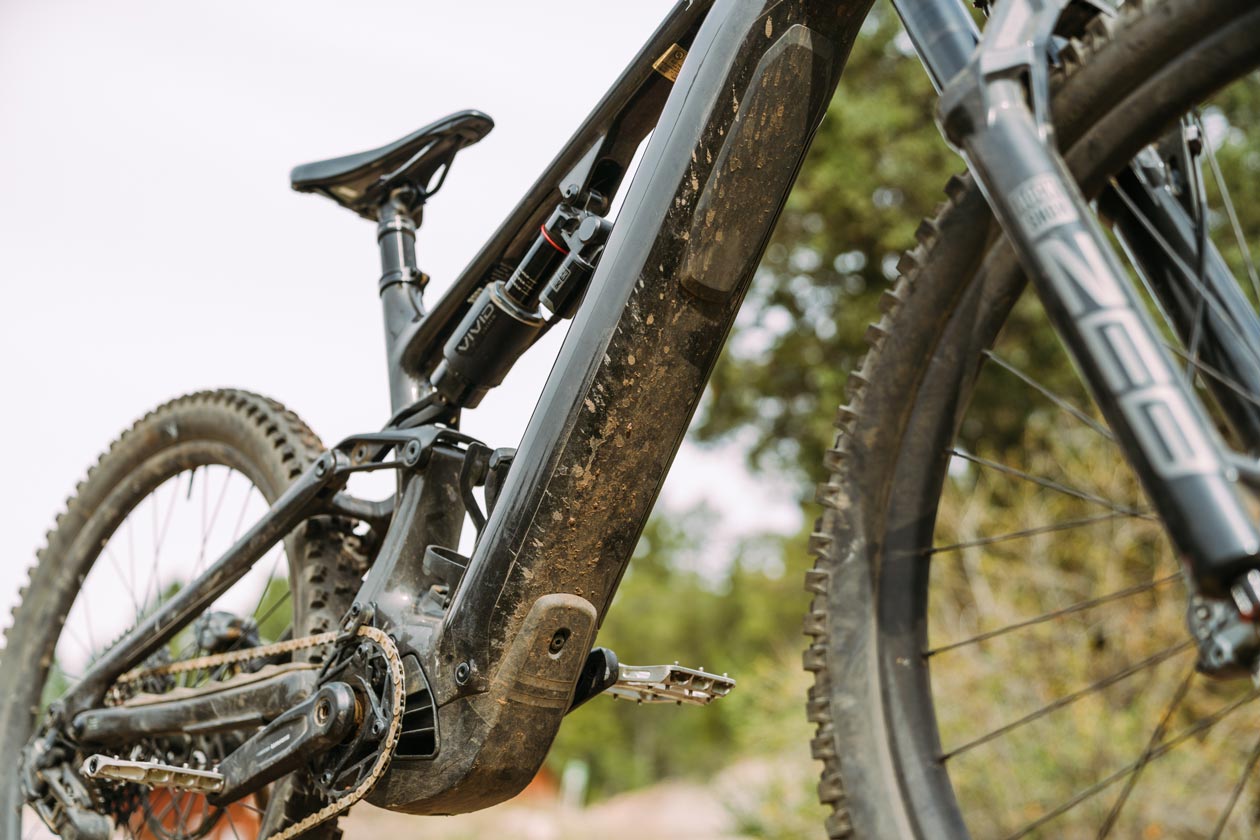
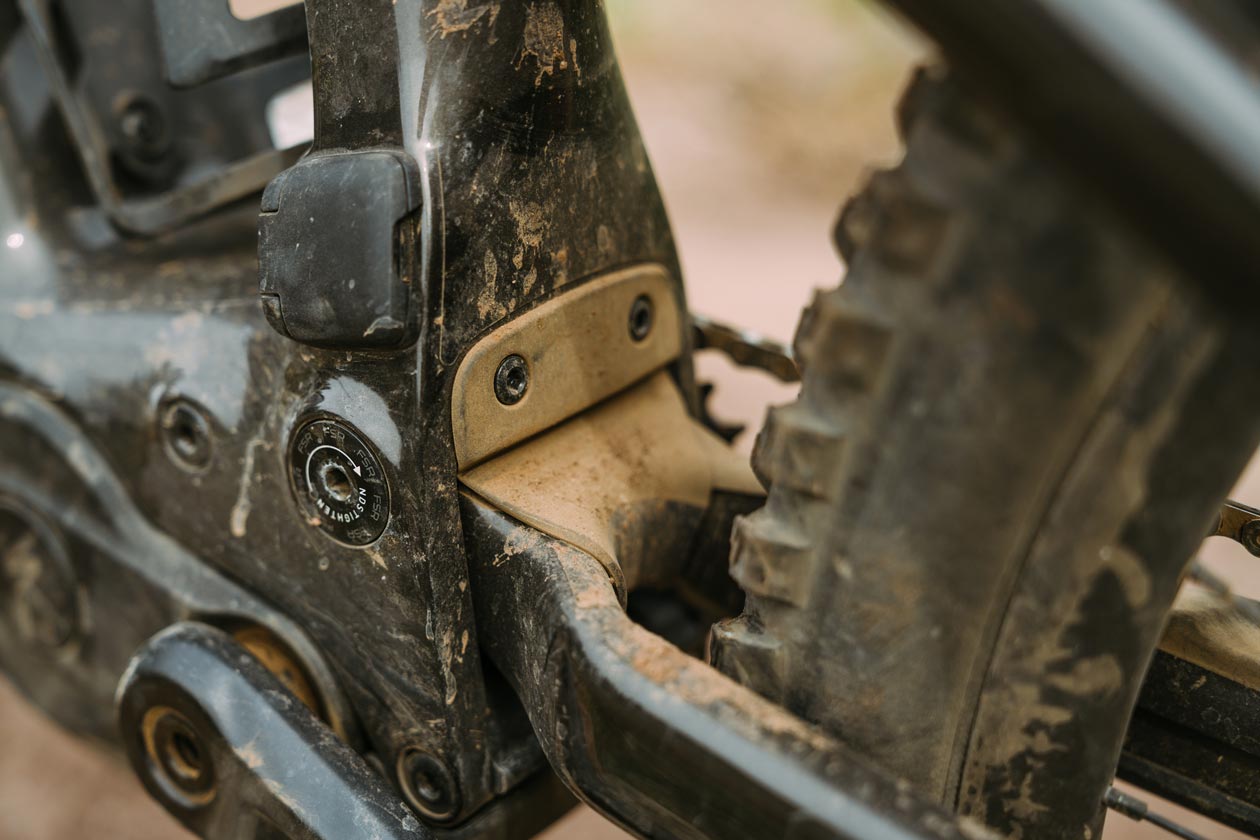
Compared with the standard Specialized Turbo Levo, the Levo 4 EVO is more planted, gravity-focused, and specialized in its purpose. We’re happy to report that just after filming, Specialized announced a line-wide price drop, which we believe was much needed. Our arguments in the video about the value comparison have been addressed. In terms of ride comparison, this bike and the Cannondale Moterra LT are likely the closest in terms of scope and ride. They’re both commanding, large and heavy long-travel eMTBs. The Levo 4 EVO gives up some versatility and playfulness in exchange for more travel, stability, and confidence on steep, fast, and rough terrain to let them shine.
The Wolf’s Last Word
We’d love to have had the chance to have ridden the Levo Evo with a slightly more supportive fork, as we believe it would have only unlocked another level of DH capability. Even so, it’s clear that Specialized has made this machine the gravity-focused eMTB rider’s pick. It’s big, heavy, and not the best looking, but if those aspects aren’t the dealbreakers in your shopping criteria, then the Levo Evo does have plenty of strong suits worth taking a look at.
WHO SHOULD BUY THE SPECIALIZED LEVO EVO?
The Specialized Levo EVO is catered to gravity-focused riders who like the Specialized Turbo Levo platform but want more travel, stability, and confidence in rough terrain. It is a strong option for Levo owners who wish their bike were more planted and had even more travel.
Price: $9,200 $8,499 (Price Reduced after filming)
Weight: 55.6 lbs (As Tested)
Website: Specialized.com

SHARE THIS REVIEW
2026 eMTB SHOOTOUT SPONSORS
Without the support from the City of Santa Fe, Santa Fe County Tourism and Economic Development, Fox Racing, Schwalbe Tires and Glorieta Adventure Camps, this year’s shootout would not have been possible. If you’re in the market for new gear, new tires, a place to visit or a way to get your bikes to the trail, consider showing these guys some love.