
ANI SURABHI | FOUNDER OF QUIN
October 13, 2025
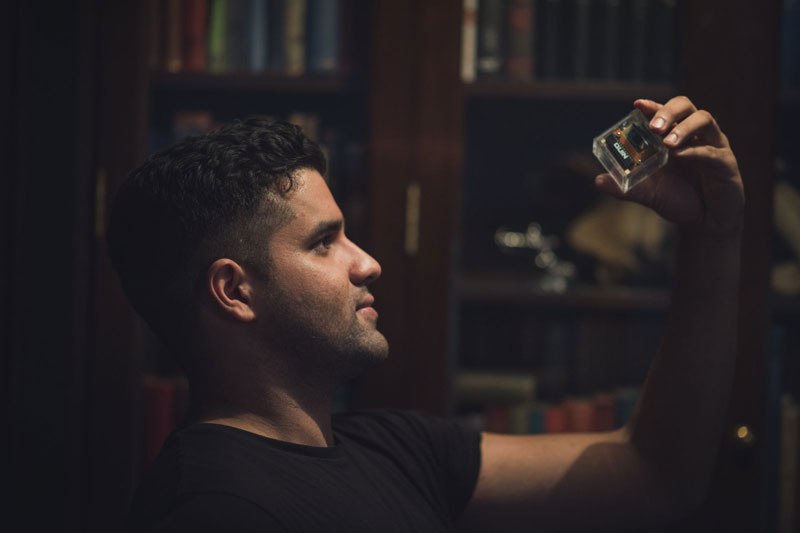
Regardless of whether mountain biking is just a fun hobby for you or you’re a passionate rider regularly pushing their limits, keeping your head safe on the trail is highly important. Ani Surabhi – founder of helmet safety tech company QUIN – fully agrees with this sentiment. After suffering a Traumatic Brain Injury in a cycling crash some years ago, he set about working on developing products to boost the safety of both cyclists and motorcyclists.
Ani’s story and his QUIN tech was so interesting to us, that we felt compelled to connect to learn more about the origins, present and future for this interview.
The Loam Wolf (TLW): What’s your background?
Ani Surabhi, CEO And Founder of Quin (AS).
TLW: How was Quin conceived?
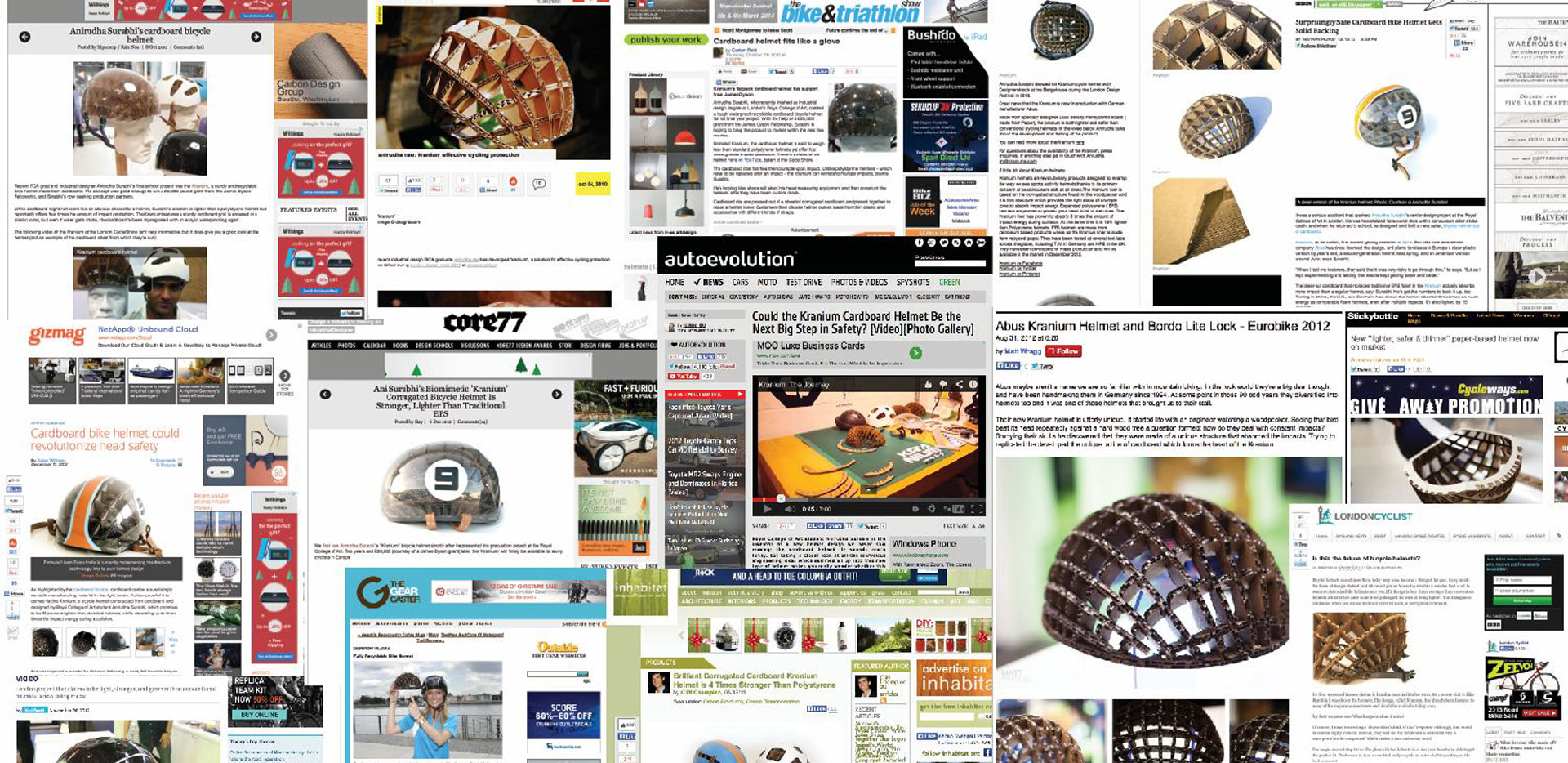
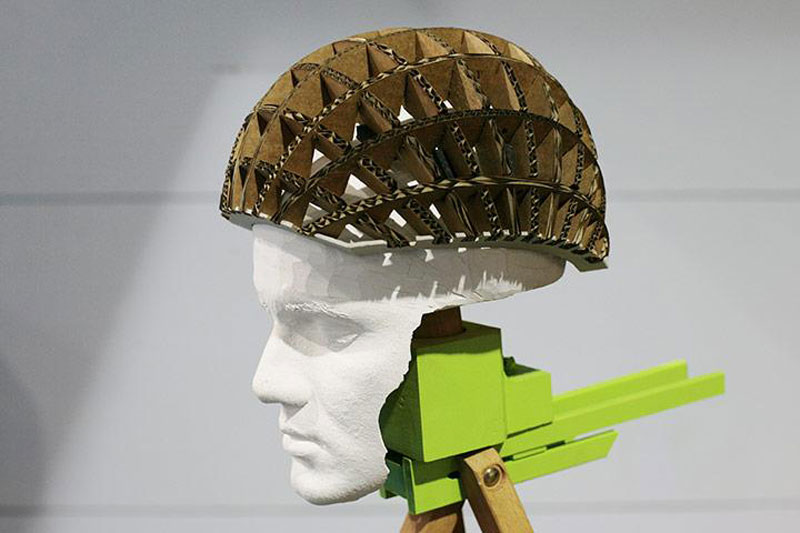
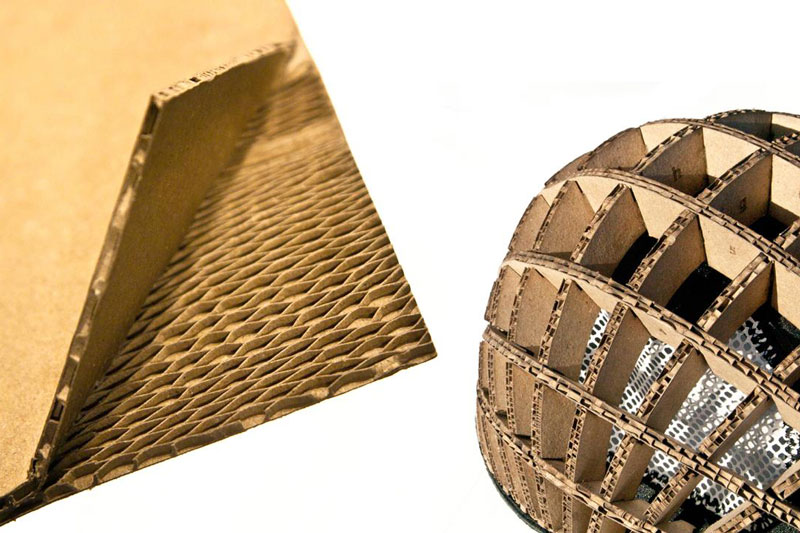
AS: It all started with my own crash. I had a major collision while cycling in London, which cracked my helmet and landed me in the hospital with a bad concussion. I was a student at the Royal College of Arts and Imperial College London, where my core Masters project was to solve a real world problem in the best way possible. This crash led me to realising how poorly most helmets performed, and to my passion to reduce head trauma. In Uni I developed Kranium, a paper helmet 3x safer than what was available, but before arriving on paper as the best material to absorb impact I had to do hundreds of tests. Test lab time is expensive, so I ended up studying test labs and building my own using similar impact sensors. The knowledge of working with test labs and building my own version of one is what formed the basis of Quin today. Fast forward several years and many other difficult experiences with friends facing accidents, and I was inspired to put my knowledge of test labs and sensors into use to make lab-type data available to end users and to automate calls for help.
TLW: What are your key goals with the Quin tech?
AS: The Bottom line, it is about reducing injury and saving lives. In the short term, this is done through our cutting edge safety system, detecting a wide range of safety events and automating rapid and relevant response. Helping one cyclist, motorcyclist, construction worker, equestrian, skier at a time get help when they need it most. In the longer term, Quin’s real-world data will be used to make safer helmets, uncover gaps in prevention for job sites, inform safe city design and more. Quin is one of the only companies in the world today collecting real world impacts, crashes, collisions, falls, and many other safety events. We want to see that data deployed for good. Being able to inform standard and certification bodies as to what actually happens in real life vs a crash lab should lead to creating safer helmets, for example.
Quin’s motion intelligence is continuously evolving based on what we see in real-world events. Quin constantly analyzes patterns in real time and flags anomalies, creating new algorithms for more advanced detection systems. Today, Quin is an intelligent detection and response system, in the future, when there is a critical mass of data available, it has the potential to help develop prevention systems.
TLW: Who stands to benefit from Quin?
AS: Quin presents a cyclical benefit. The brands that integrate with Quin benefit by being able to offer their customers proactive safety rather than just passive protective gear. The end customer benefits from technology designed to call for help when they need it most, and deliver insights on every impact that can inform device and personal care. Those trusted with the response to emergencies and resulting care benefit from the rapid information and context provided by our tech. Ultimately, everyone benefits when Quin’s real-world data is used to build a safer future with better products, systems, etc. Today, we are very focussed on the individuals using Quin equipped protective gear, and their loved ones – the ones who benefit from peace of mind. It all starts with the cyclist buckling up his or her helmet, setting out on a ride they hope to enjoy without complication. We aim to protect and celebrate their ride. By helping keep cyclists safer, we hope to remove barriers and see the industry grow. Safety concerns keep evolving, as do the opportunities to address them. As a parent I am also aware of the modern concerns of keeping kids safe and want Quin to help give parents confidence to let their kids out of the yard on two wheels.
TLW: There’s a subscription model, what does this unlock?
AS: The core event detection with alerts to your trusted circle is free for life. The option to transfer event data to ambulance services and search and rescue requires an opt-in for Quin Plus, Quin’s subscription option. This also gives a wide range of advanced impact and ride analytics. This can help you make decisions related to your performance and in the event of an accident. Outside of the costs related to constant innovation that provides ever-evolving benefits to cyclists using Quin equipped helmets, we invest heavily in building, training and maintaining the network of partners for our emergency response system. Integrating with ambulance systems around the world incurs costs, which is why we have a subscription fee. Detecting a crash and letting your loved ones know through automated alerts is free for life.


TLW: Should people be concerned by the Quin sensor causing more damage in a crash?
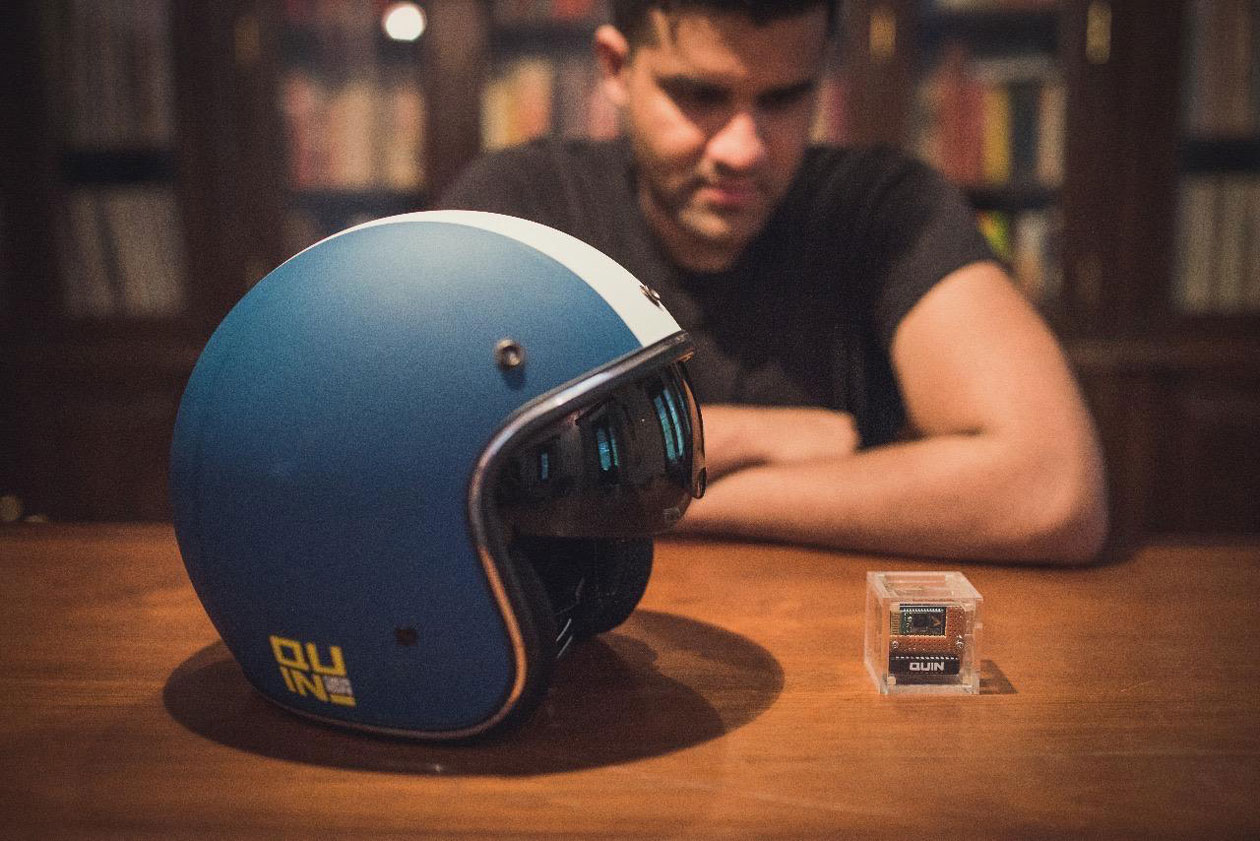
AS: No. The Quin Pod is custom integrated into every helmet, and our partner brands conduct internal testing and external certification to ensure that the helmet is suitable for use. Safety is our topmost priority, and the structural integrity of partner brands’ helmets plays the first role with physical protection. Current testing standards require that any helmet designed to hold a Quin sensor must be tested with the sensor installed. This ensures the helmet’s certification covers its use with the sensor in place.
TLW: Does Quin advise helmet manufacturers on how to best incorporate the sensor in their helmets?
AS: We have strong expertise in helmet engineering, and advise our brand partners on the ideal placement as it relates to optimal sensor readings. The placement of the sensor is always below a testing line, in place of a vent gap, or other area where the integration requires minimal change to existing designs. Where the brand makes a new helmet around the Quin Pod, we have more opportunity to work with our partner to achieve advanced protection. Quin tests every helmet model, in every size, to calibrate our sensors to the unique composition of that helmet and ensure finely tuned detection algorithms.
TLW: The demand for internet connection feels like a potential issue for riders looking to ride in the backcountry. Do you have plans to incorporate the use of satellites to send crash data?
AS: We have built in many fallbacks within the tech already, and have more options coming up. We are just about to launch our integration with other wearables including Apple Watch, Garmin, Polar etc. This enables the use of multiple GPS sources. Satellite service for SOS emergencies is now becoming the standard on mobile phones since iPhone 14, and soon these protocols will open up to compatible apps that meet certain standards, like Quin’s ultra-low false positive rate. Additionally, we are looking at strategic partnerships with certain satellite enabled products that can expand use for those who regularly take on adventures in remote places. Even in the situation where none of these services are available, the Quin Pod stores data in offline mode so that impact data can be reviewed later, as soon as a connection is available.
TLW: What are the goals with Quin moving forward?
AS: Our goal is for Quin to become a leader in intelligent safety—a trusted standard across industries where protection matters most. We want to be the turning point in making passive products active, transforming traditional safety gear into intelligent devices that reduce serious injuries.
By embedding Quin technology into partner brands, we aim to:
- Make safer helmets by understanding how they are affected by impacts.
- Reduce fatalities caused by delayed response—ensuring help reaches workers and riders within the critical golden hour.
- Lower sports and workplace injury risks, knowing that crashes and impacts are inevitable, but outcomes don’t have to be fatal if help arrives quickly and informed.
- Lead in real-world impact data, becoming the first and only company to systematically record and analyze real-life crashes—delivering insights to improve in all everyday activities.
Ultimately, Quin’s mission is simple but ambitious: to reduce injuries and save lives through real-life data and intelligent safety technology, reshaping how the world understands, prevents, and responds to accidents.