
TECH CHECK
THE MET PARACHUTE MCR 2 HELMET
TWO QUALITY HELMETS IN ONE
October 12, 2026
The new MET Parachute MCR2 might finally be the helmet to convince riders to opt for a convertible solution. Transitioning from a quality trail lid to a proper enduro and eMTB full face helmet with little-to-no compromise, the latest generation of the Parachute line includes impressive tech and execution.
I haven’t conventionally been a great fan of a convertible helmet, but the latest generation of MET’s two-in-one helmet has helped to convince me that they have real merit.
As with all of The Loam Wolf Tech Check features, this was made with the support of MET Helmets. As such, it does not represent an official review or endorsement of the Parachute MCR 2, and is only intended to showcase the details of this new helmet and share our first impressions. Stay tuned for the long term review following in the coming months.
THE LATEST MET PARACHUTE EVOLUTION
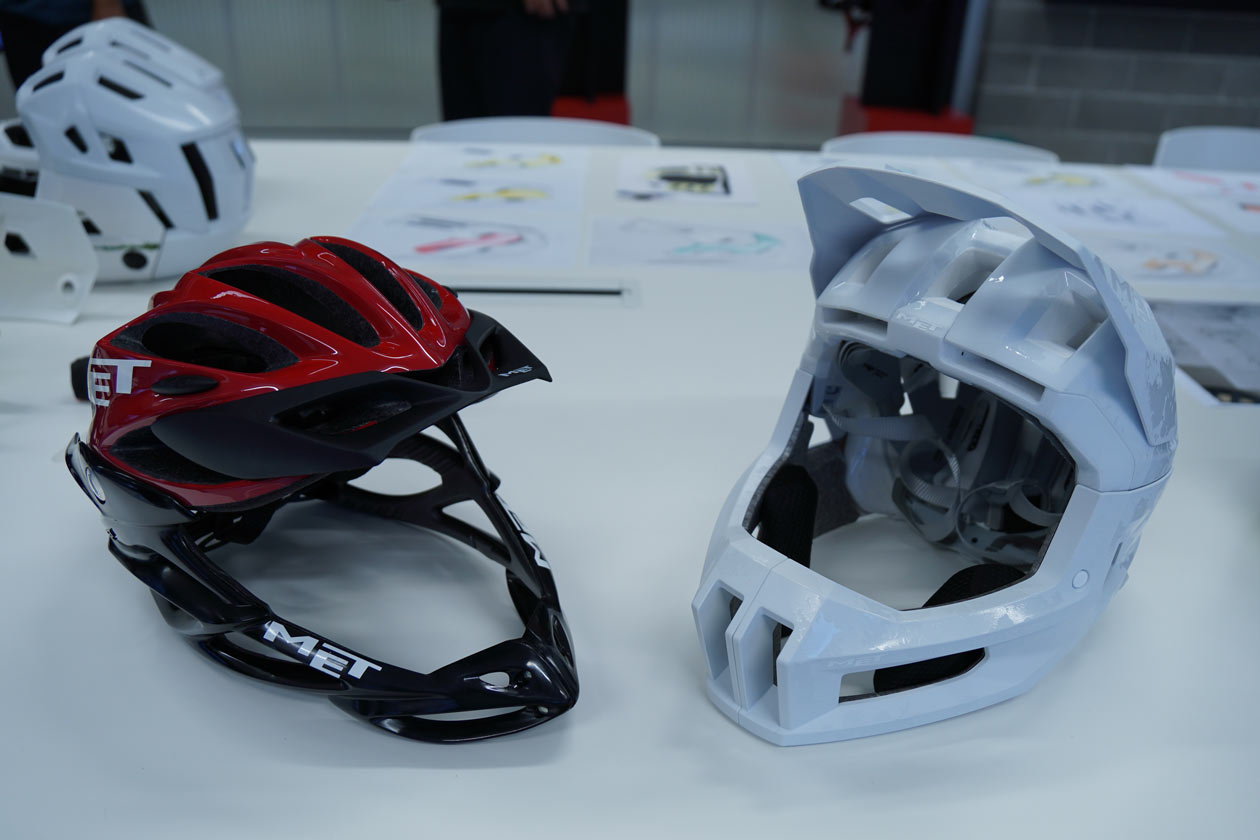
The progression of the sport can be defined in many ways, but the transition from the original MET Parachute to the new MET Parachute MCR 2 sums it up pretty well. Things really have come a long way! A great departure from the progressive yet polarizing original, MET has now landed on a design that looks the part as an aggressive enduro and eBike helmet.
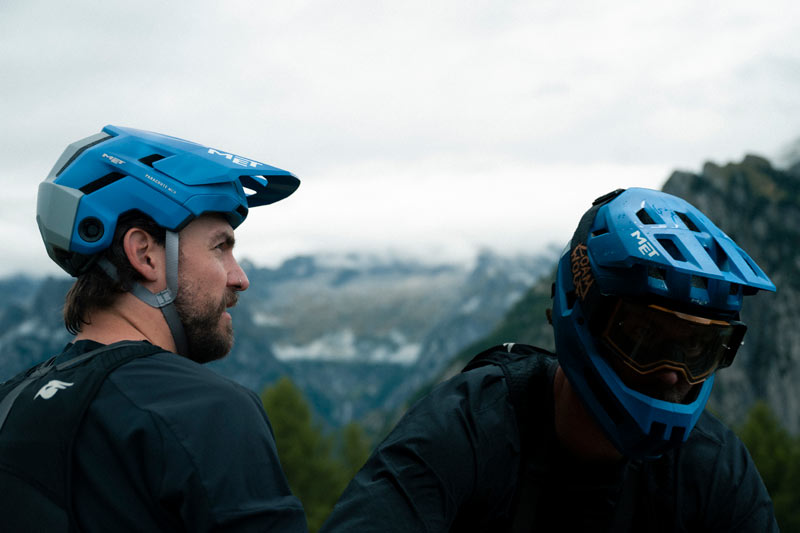
The MET Parachute MCR 2 is a convertible helmet that is the new flagship MET product, featuring the most testing, most tech, and the most certification. Thanks to the Magnetic Chinguard Release system, it converts from a lightweight open-face trail helmet to an enduro and eBike full-face in a matter of seconds.
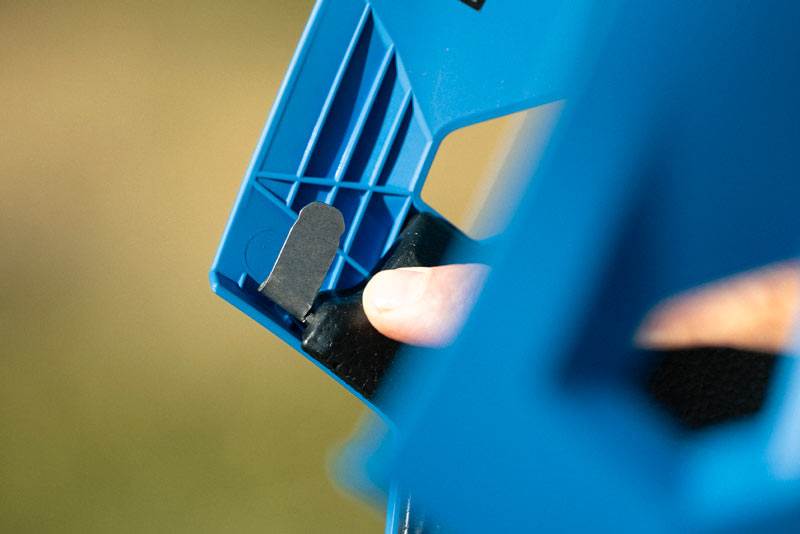
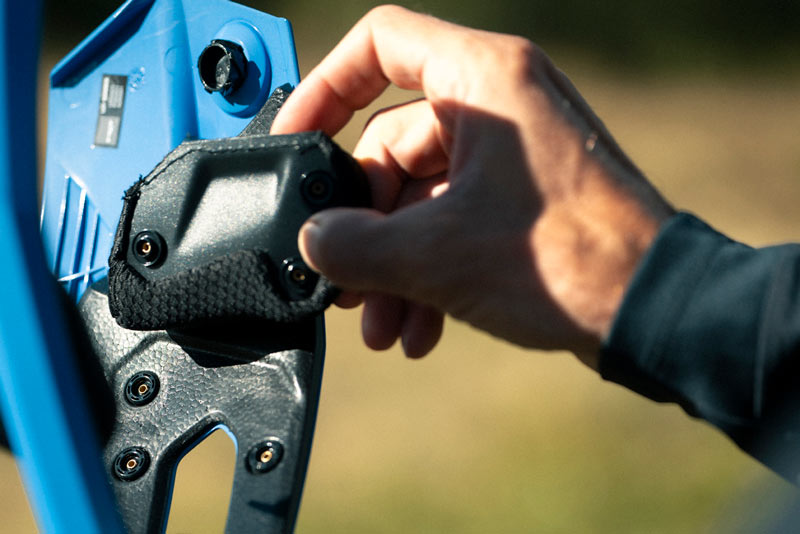
The MCR system has been revised for the 2nd generation, improving both the ergonomics to make the fitment and removal easier with or without gloves, and the structural efficiency to give a lighter overall helmet without compromising the protection.
SAFETY IS SCIENCE
MET built the helmet around the “safety is science concept,” adding a range of protective technologies and ensuring it exceeds various certifications. The goal was to reduce concussion risk across the range of impact speeds, to deliver a more protective helmet and keep riders as safe as possible.
The NTA and ASTM standards, the MIPS liner, and the pending 5-star Virginia Tech rating are all invested items over and above the standard requirements for a helmet, all intended to protect the rider as best as possible. And while they add to the price of the helmet, MET felt it was worth the investment.
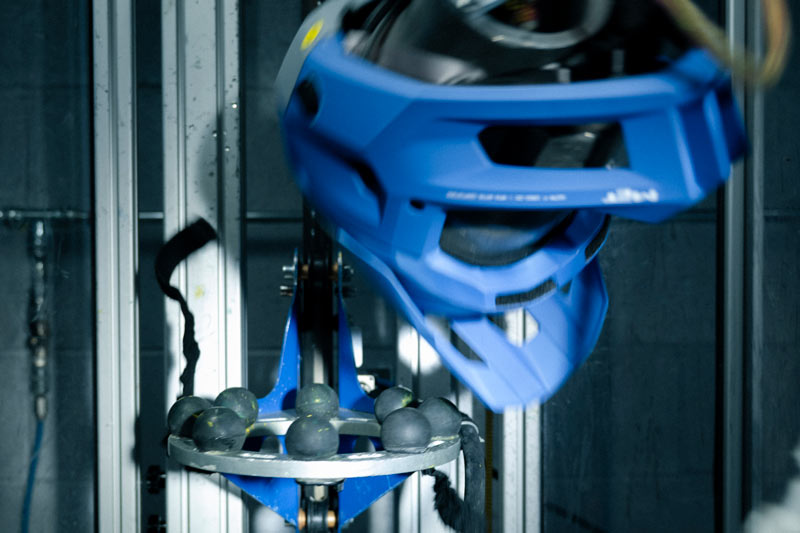
THE MOST CERTIFIED MET HELMET
MET built the Parachute MCR 2 to exceed the NTA 8776 and ASTM F1952 standards, covering use on eBikes and for downhill riding. With its pedal-friendliness and impressive 750g weight (size M), having this level of protection feels unlikely, but MET’s engineers worked hard to make it possible.
The NTA 8776 certification for eMTB covers the helmet to withstand higher impact velocities than EN or CPSC standards. The impact speed tested is 21% higher, and it demands 43% increased energy dissipation with 10% increased coverage across the head. All good things whether on an eBike or enduro mountain bike.
The Parachute MCR 2 also exceeds ASTM certification, with the chin guard exceeding deflection limits by 40–50% to balance stiffness and energy absorption. Going much beyond this would transmit more energy to the rider’s head in a crash, whereas less may allow the chinbar to contact the jaw in a crash, so MET landed on their design as a suitable compromise.
5-STAR PROTECTION
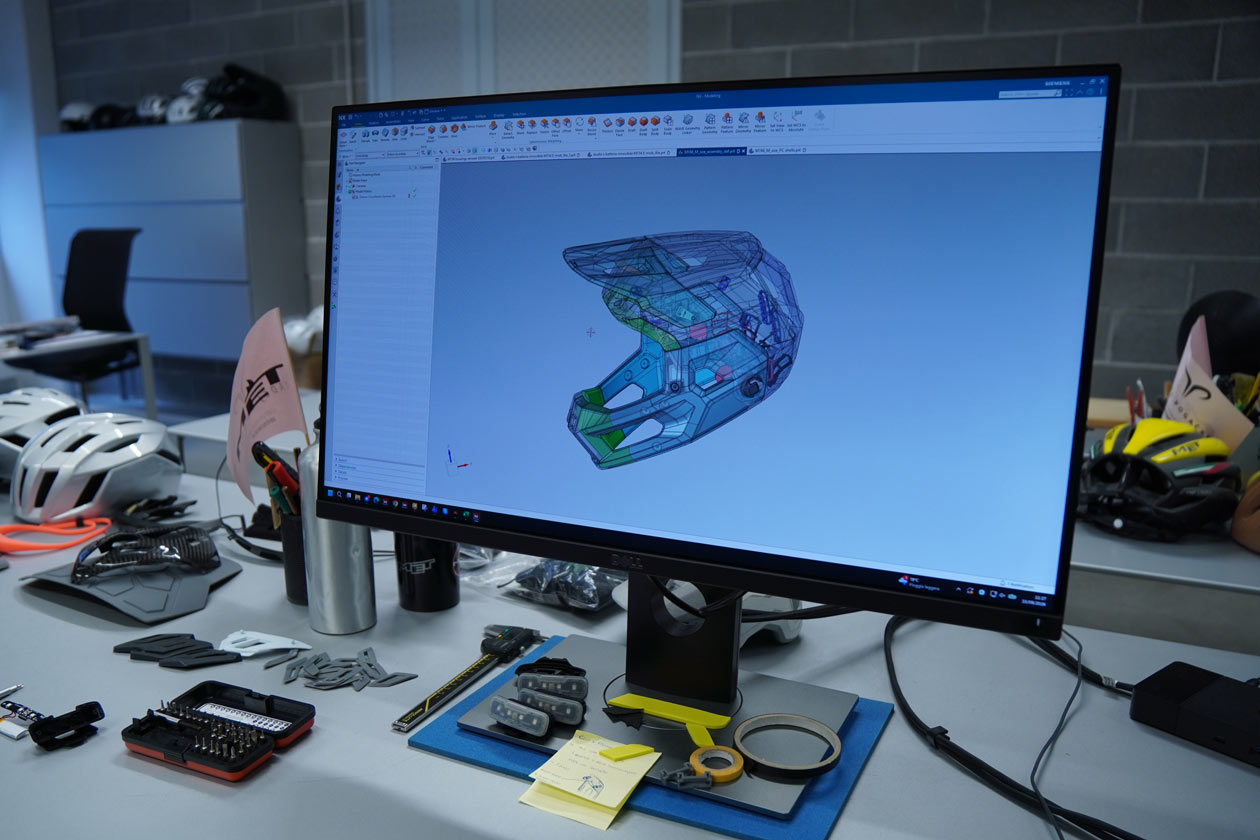
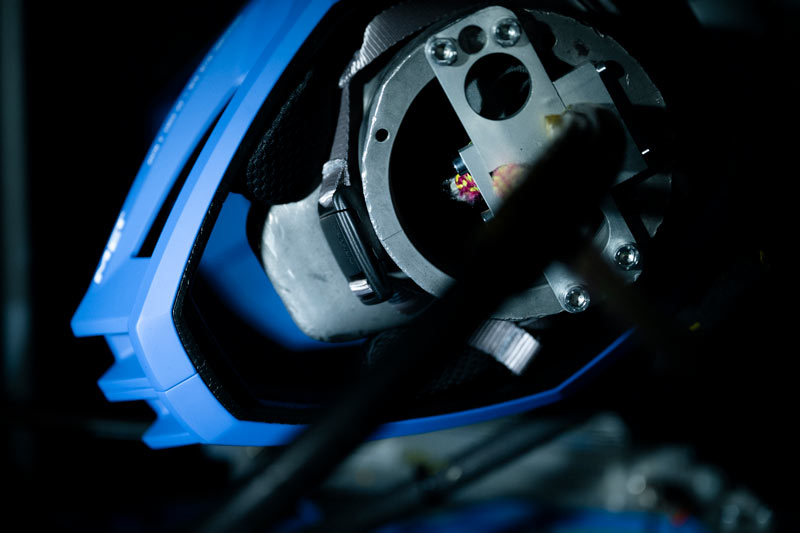
MET is awaiting an expected 5-star safety rating from the Virginia Tech Lab, but it is not yet confirmed at the time of writing. In-house testing at the MET labs has shown great results that lead them to believe it will rank highly in the VT tests. With over 823 impacts analyzed and countless computer simulations throughout the development process, MET’s team stressed the details to maximize protection.
It was great to see the brutal testing and complex simulations MET were running on these helmets in person when we paid them a visit at their HQ in the Italian alps – stay tuned for that video coming soon.
PROTECTION BEYOND THE CERTIFICATION
In addition to all the certification and testing, MET equipped the Parachute MCR 2 with the Mips® Air Node Pro system for rotational impact protection. This system neatly integrates into the Coolmax® padding for a light and well-ventilated solution. For those unfamiliar with Mips, it’s a Multi-Directional Impact Protection System that allows for a controlled rotational translation of the helmet relative to the rider’s head. This reduces the peak rotational acceleration sustained by the head in a crash, reducing the likelihood of sustaining a concussion injury.
The new Parachute MCR 2 weighs in at 730g for a medium, which is competitive with many fixed enduro full face helmets, never mind those with a removable chin bar. That’s 100g lighter than the previous generation, but safety has improved. A lighter helmet is typically considered safer due to the reduced strain placed on the neck, and reduced momentum of the head in a crash.
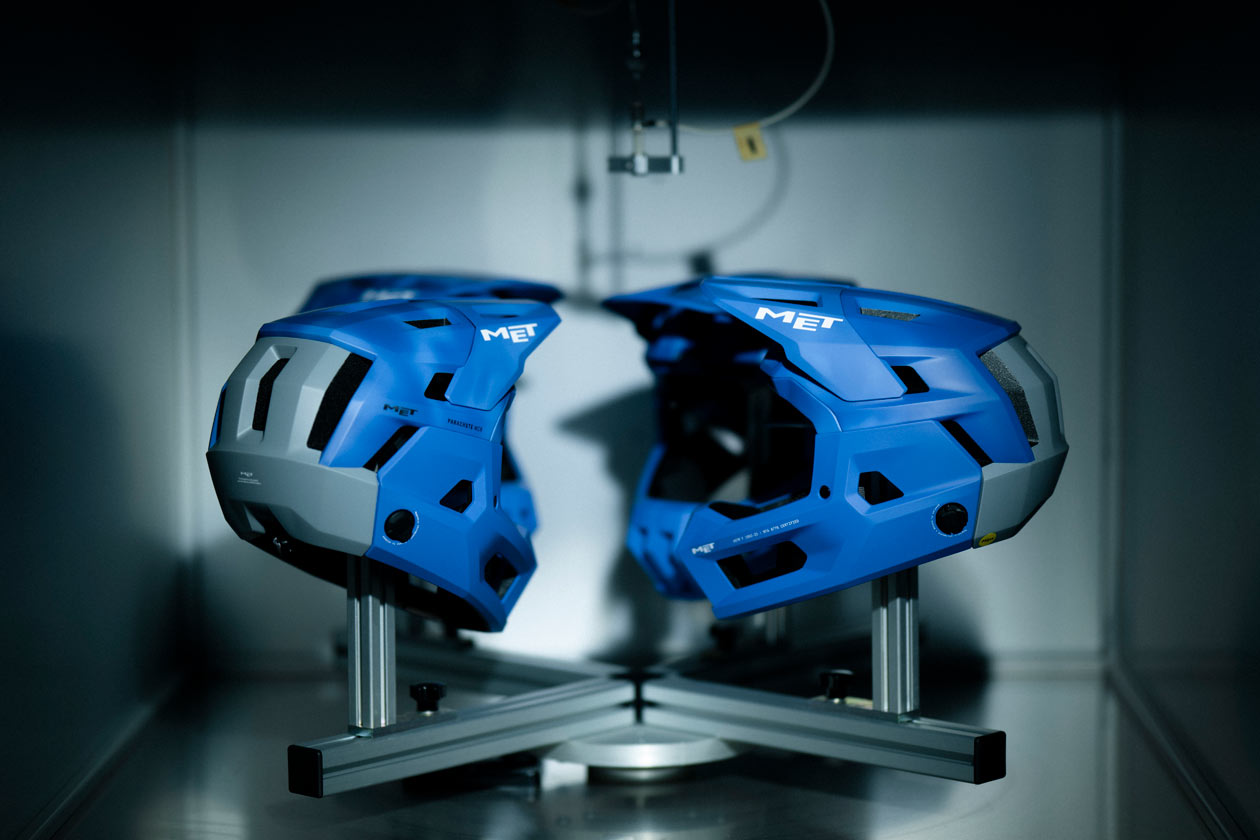
The ventilation of the Parachute MCR 2 has been developed and validated in the MET wind tunnels, with a 25% improvement over the predecessor. This is delivered by 24 vents and optimized internal air channeling, helping to funnel air over the rider’s head.
THE FINISHING TOUCHES
A safe-release visor with two positions allows for glasses and goggle storage underneath, with dedicated channels to hold glasses securely in place. The Fidlock buckle makes opening and closing a breeze.
The fit is tuned via the Safe-T Heta Fit System, with a 360° wrap to give even pressure distribution around the head. There are vertical adjustments in the rear of the fit system to tune the fit to the shape of your head. For the full-face mode, there are two thicknesses of cheek pads included.
The new MET Parachute MCR 2 helmet is going to be available from November 2026, with pricing coming in at $434,99 USD, £330,00 GBP or €370,00 EUR.
THE DIRT
THREE MONTHS IN THE MET PARACHUTE MCR 2
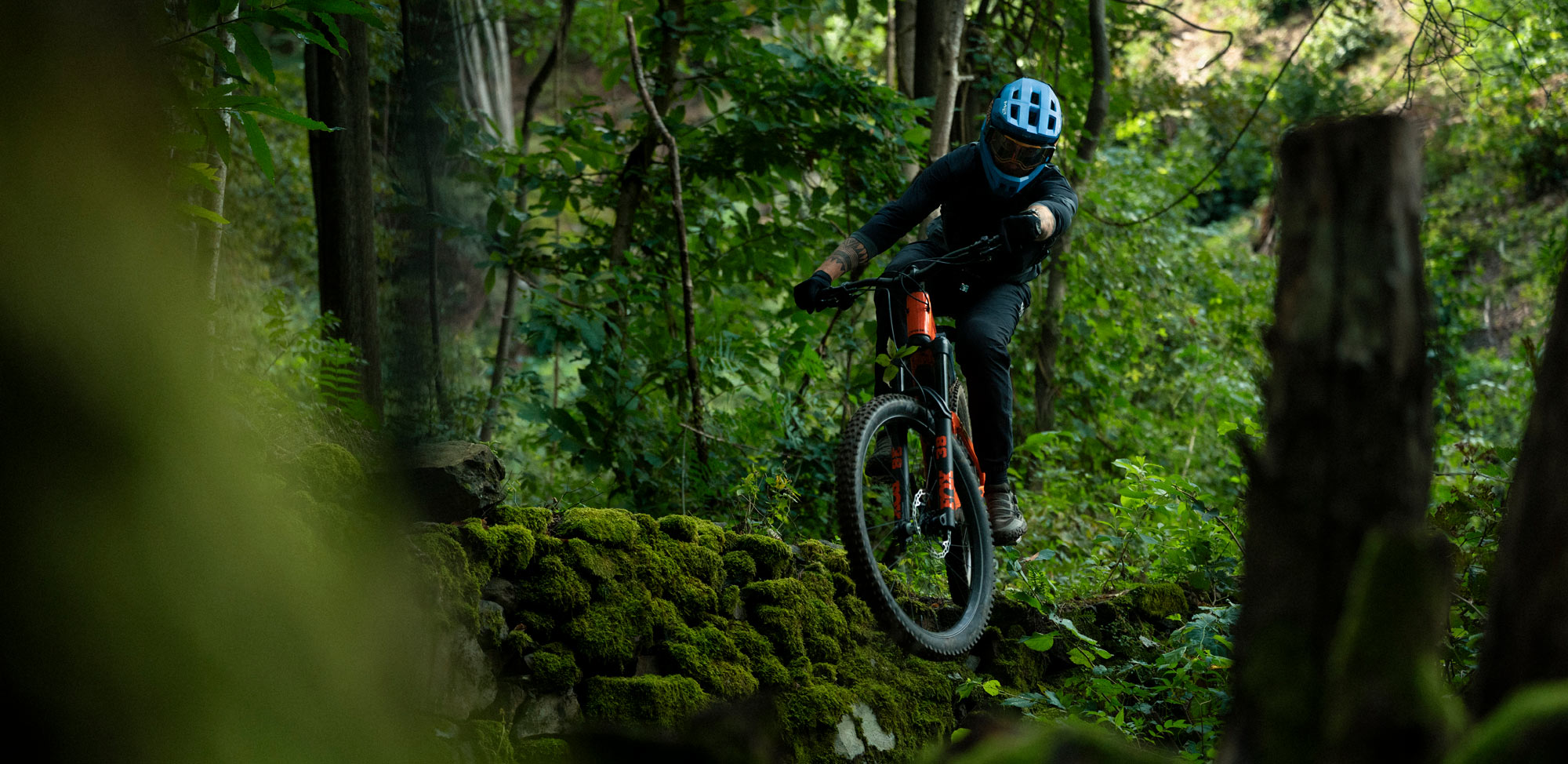
I’ve been wearing the MET Parachute MCR 2 sporadically for a few months at the time of filming, letting me get some good trail time in it to assess its performance up and down the hill.
Historically, I have rarely been drawn to convertible helmets. Beyond the inherent minor inconveniences, they typically present a noticeable compromise between open-face agility and full-face security. MET has managed to execute the Parachute MCR 2 in a way that makes both the half shell and full face modes work excellently, and though the inconveniences remain, they are easier to stomach as a result of the execution.
The first of those inconveniences is the eyewear dilemma. What do you wear, glasses or goggles? Technically, both are required for complete versatility, though carrying both quickly becomes cumbersome. Wear goggles with a half shell – thus going full “EndurBro” – can feel awkward; whereas wearing glasses inside a full face is a trail fashion faux pas? I opted to use large glasses such as the POC Devour, hoping that the fashion police weren’t out on patrol. Alternatively, I would take both glasses and goggles, and switch at the top and bottom of the trails. This required extra patience and equipment management, but delivered the best versatility.
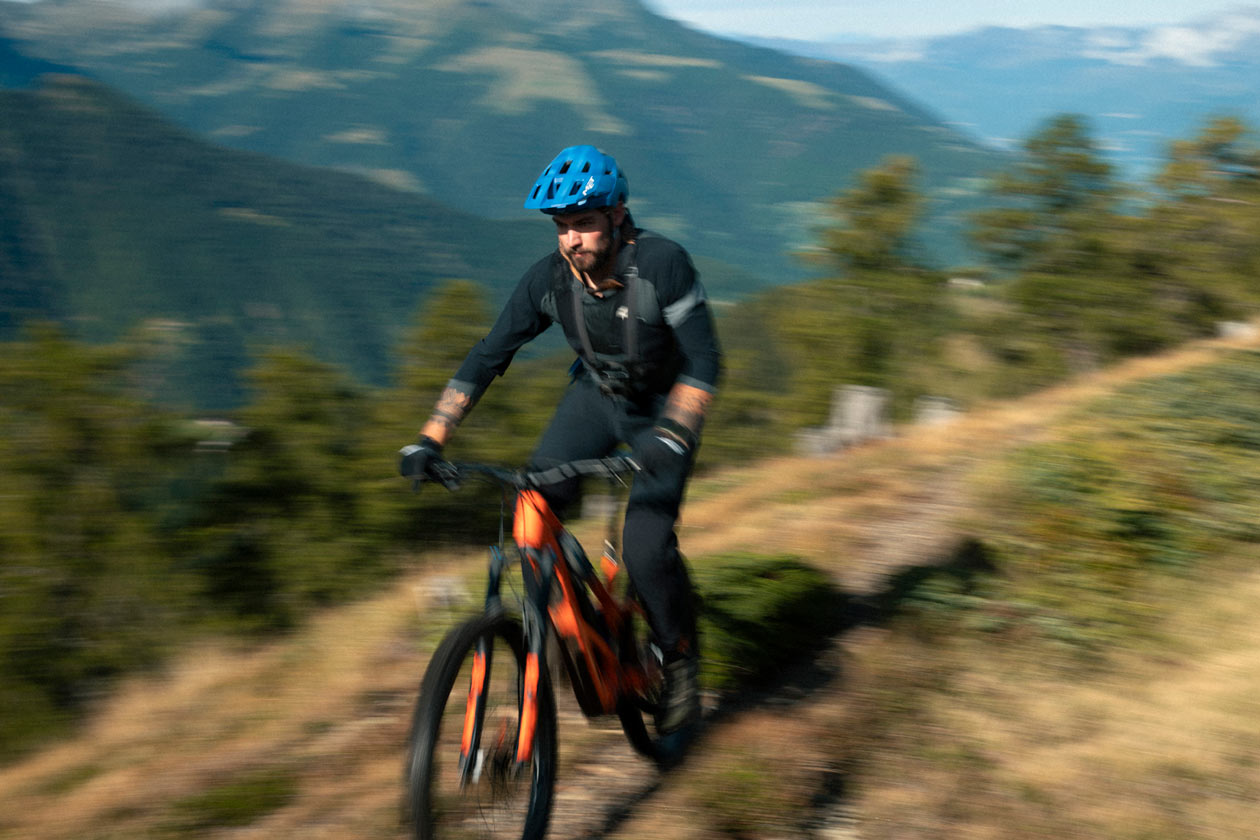
The second inconvenience centered around managing the detached chinguard when climbing. If you are a pack wearer, you have a clear solution by storing it within. Otherwise, you’re left with a balancing act on the bars, or stuffing it in your waistband. In rolling terrain, it can get extremely frustrating, with the chin bar flapping around. My solution would be to get creative with a 3D-printed mount to secure the chin bar to the handlebar, clear of cables and free of wobble. But if you don’t have the same desire to get creative, you’re likely to be annoyed by the chinguard at some point.
Annoyances aside, MET has done a truly stellar job with the Parachute MCR 2. In both the open face and the full face mode, the Parachute MCR 2 looks great in my eyes. Both modes disguise the convertible aspect well, with only the black dials giving it away. The overall weight is comparable to standard enduro full faces, and the protection on offer is excellent.
The half shell closely resembles the MET Revo Mips on the head, which is one of my favourite trail lids. It’s a little heavier, but otherwise it has the same comfortable fit and comparable ventilation feeling. The MET Parachute MCR 2 doesn’t feel like a convertible helmet when worn, and you could happily run the trail lid only for the majority of rides without complaint, saving the chinguard for the gnarly days.
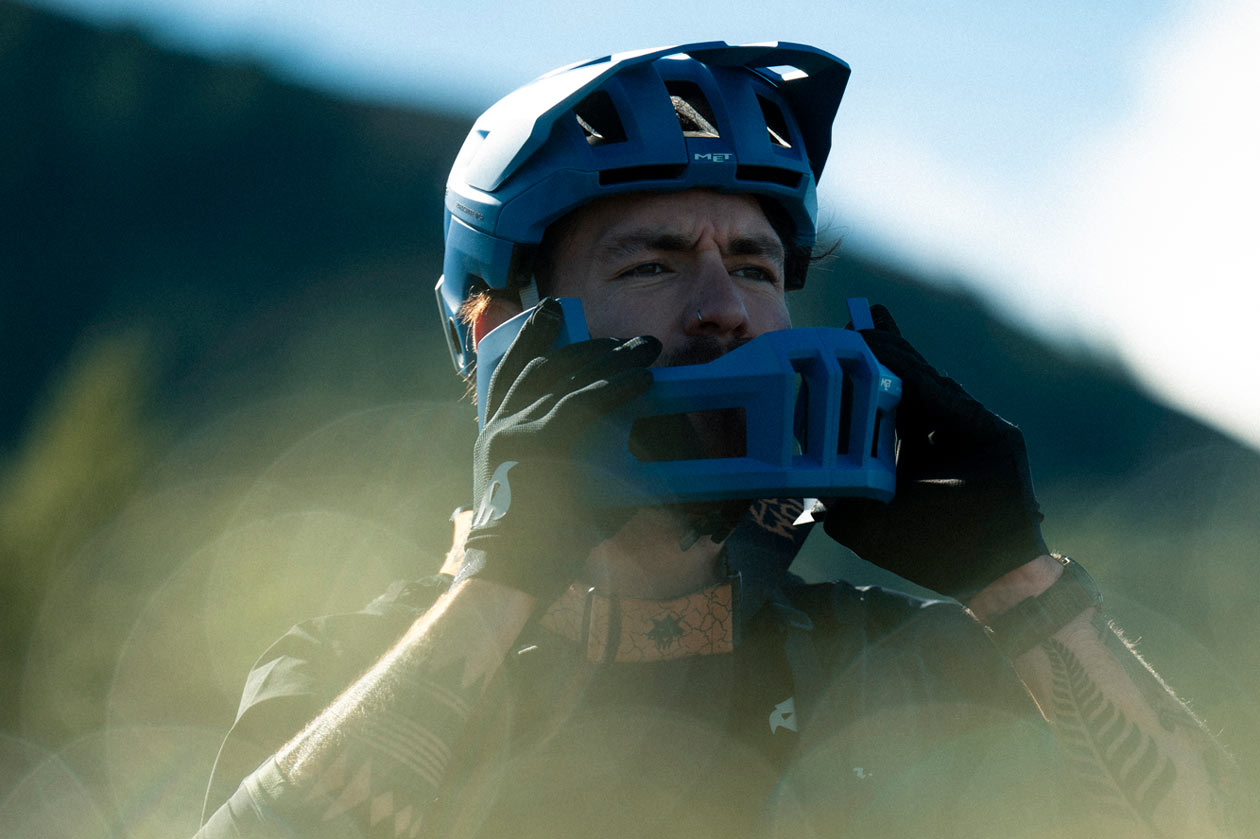
In the full-face mode, my unique head shape leaves the chin bar a little closer than I’d like. This is not unique to the Parachute MCR 2, with many other more compact full faces giving me a similar concern. In use, it didn’t prove to be much of an issue, though it made it a little harder to convert between modes with less space to play with.
As a full face, it feels like a solid enduro full face lid. There’s no creaking or squeaking, good airflow, and good goggle integration. Nothing makes you question its integrity, and there are no quirks that reduce the enjoyment of riding compared with a dedicated full face.
Converting the helmet only gets easier the more you do it. The MET Crew – having spent lots of time around the system – had it down to 10 or so pain-free seconds, the time you’d be spending catching your breath before or after a run. For me, it was a little more frustrating at times – sometimes I’d get it in 10 seconds or less, but sometimes it would take a few attempts and force a few curse words. I believe that I’d get it dialled in with more time riding in the Parachute MCR 2.
I found out the hard way that you can damage the outer finish of the trail lid if you Hulk out when trying to connect the chin bar. It pays to be more methodical and precise, locating the tabs and guiding them into place. Otherwise, I’ve had no reasons to complain or be concerned, and no convertible helmet has matched MET’s latest offering thus far. The Parachute MCR 2 could be a solid single helmet option for a rider seeking separate half-shell and enduro full-face options, as it performs excellently in both forms.