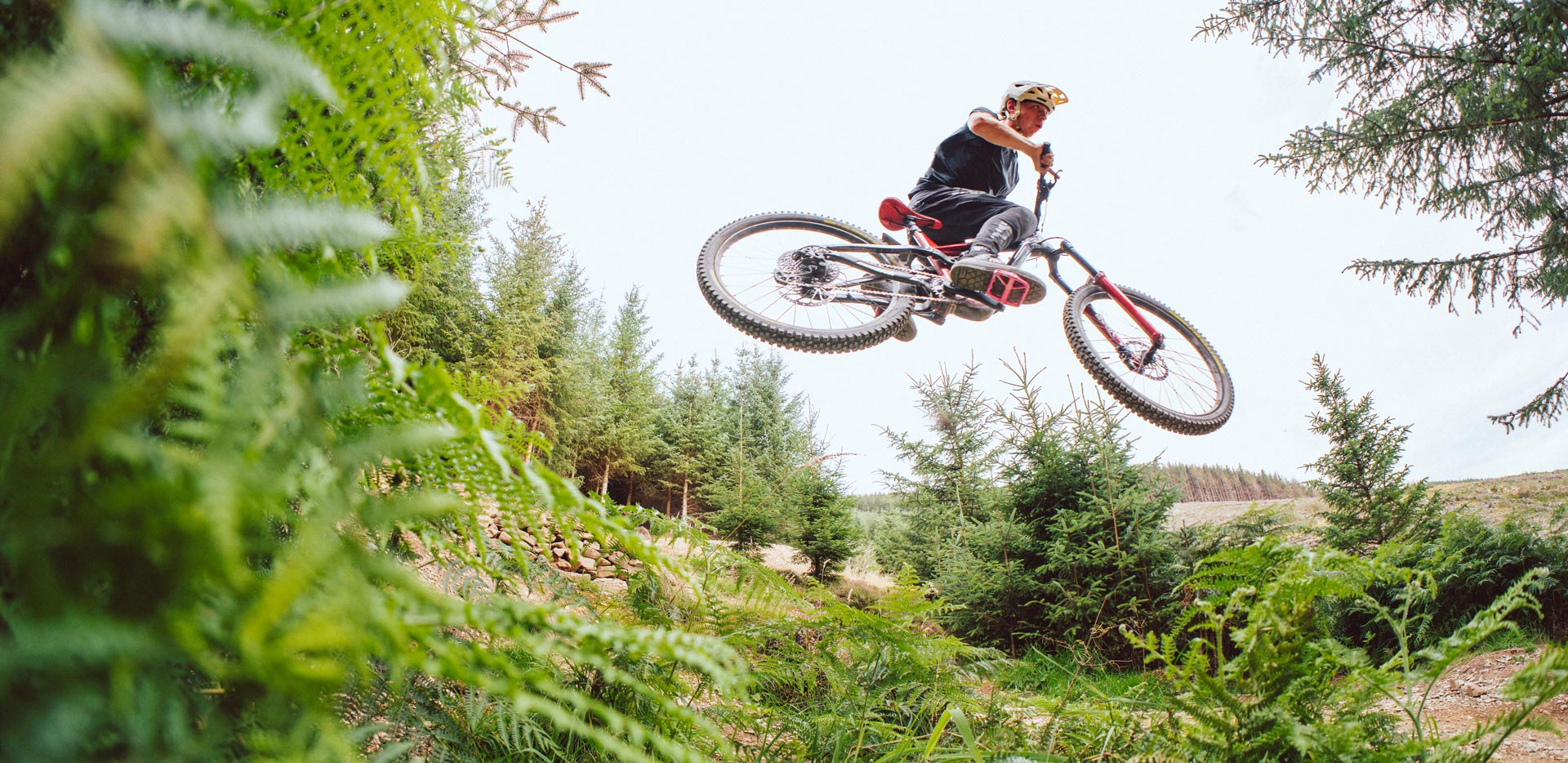
INTRODUCING THE TEST
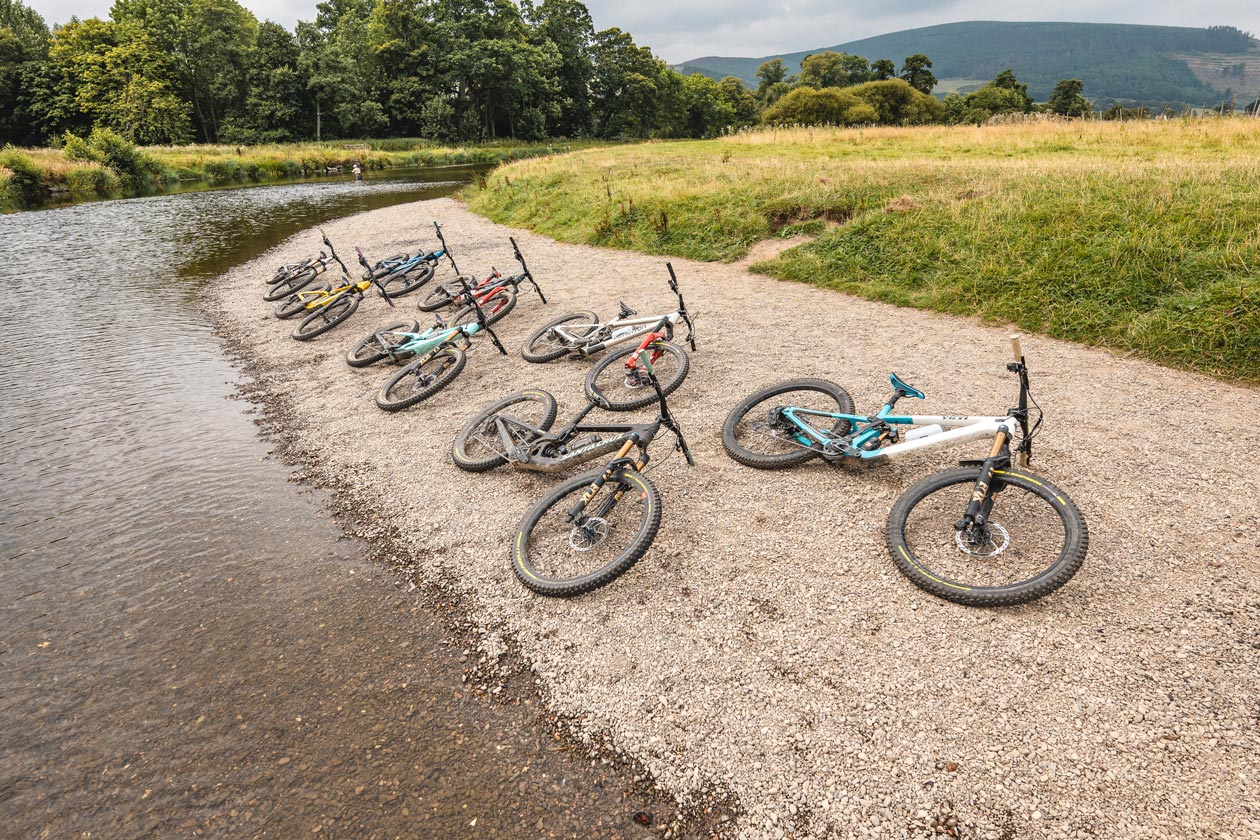
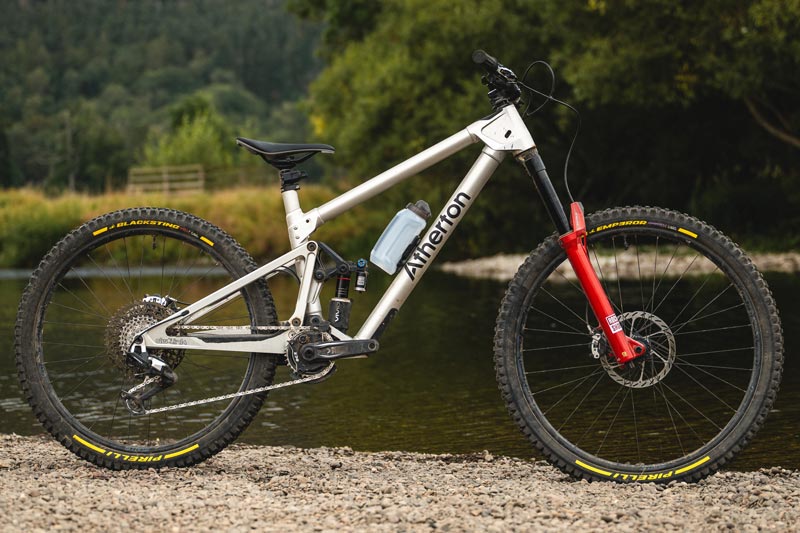
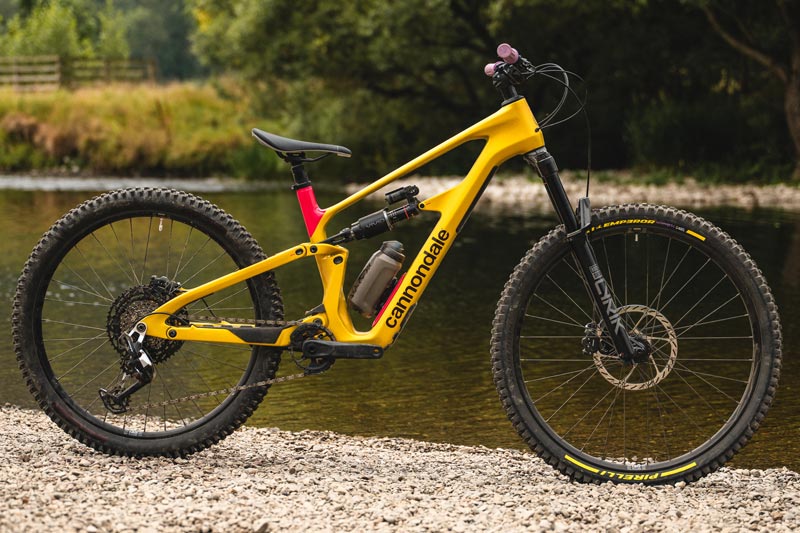
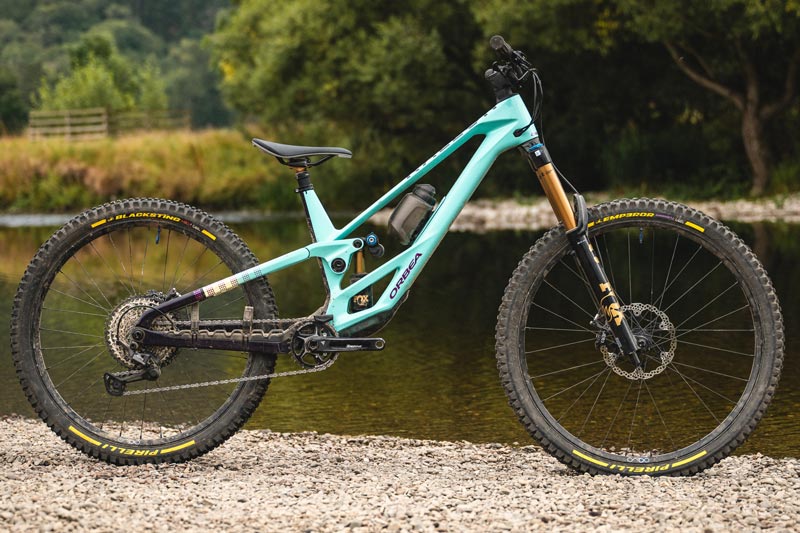
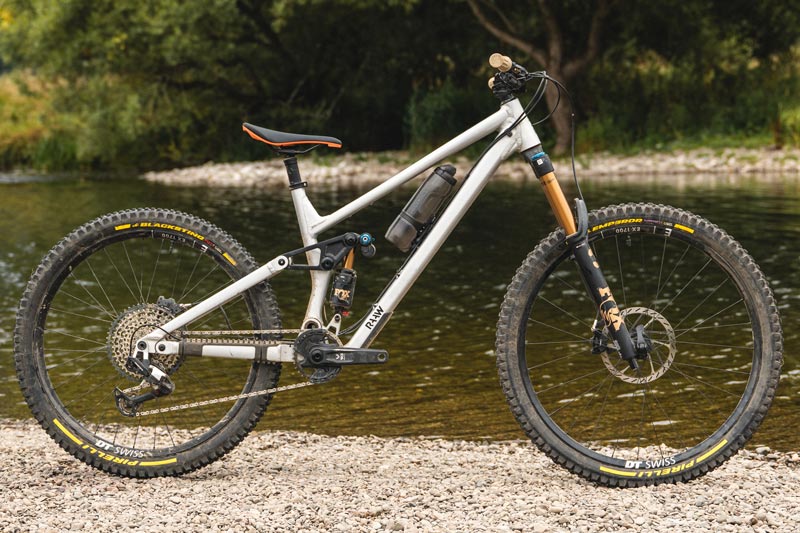
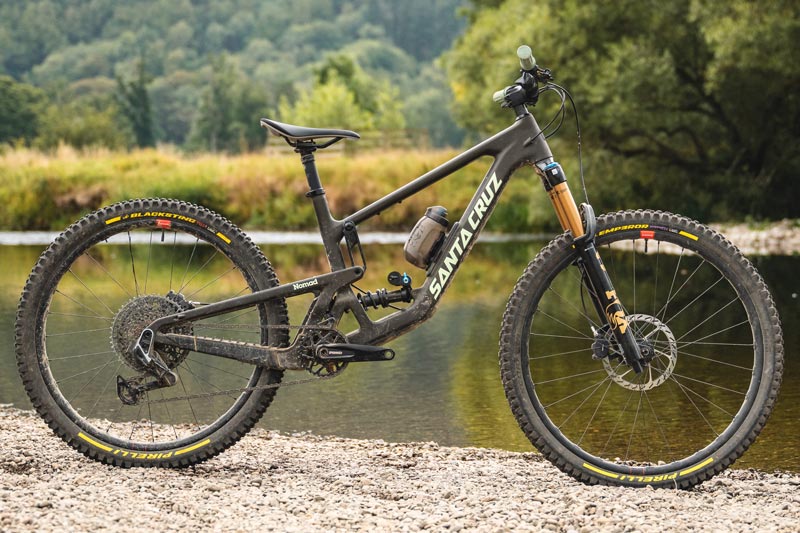
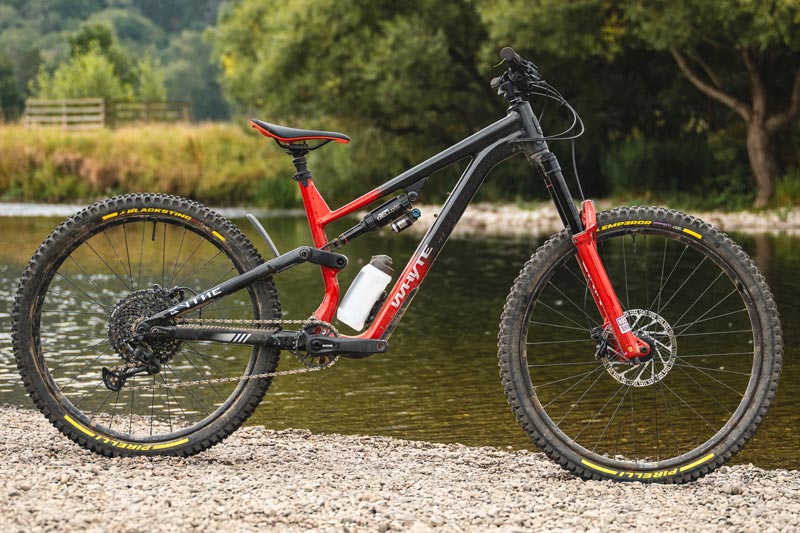
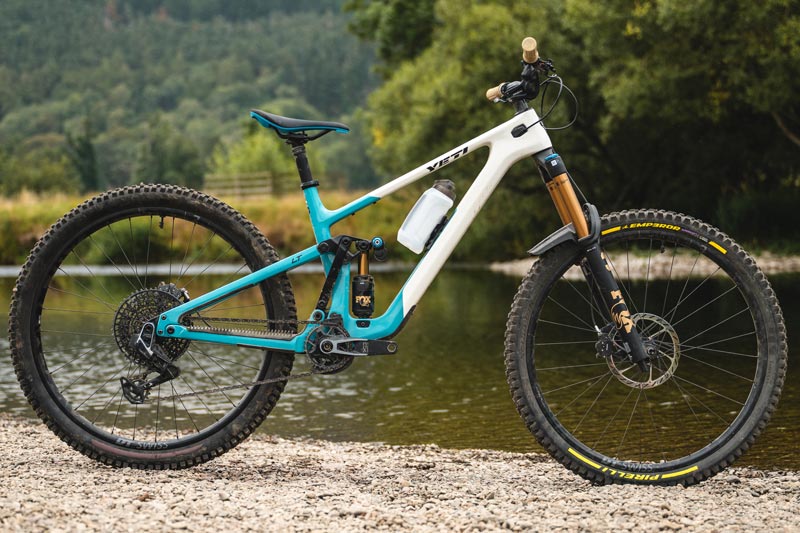
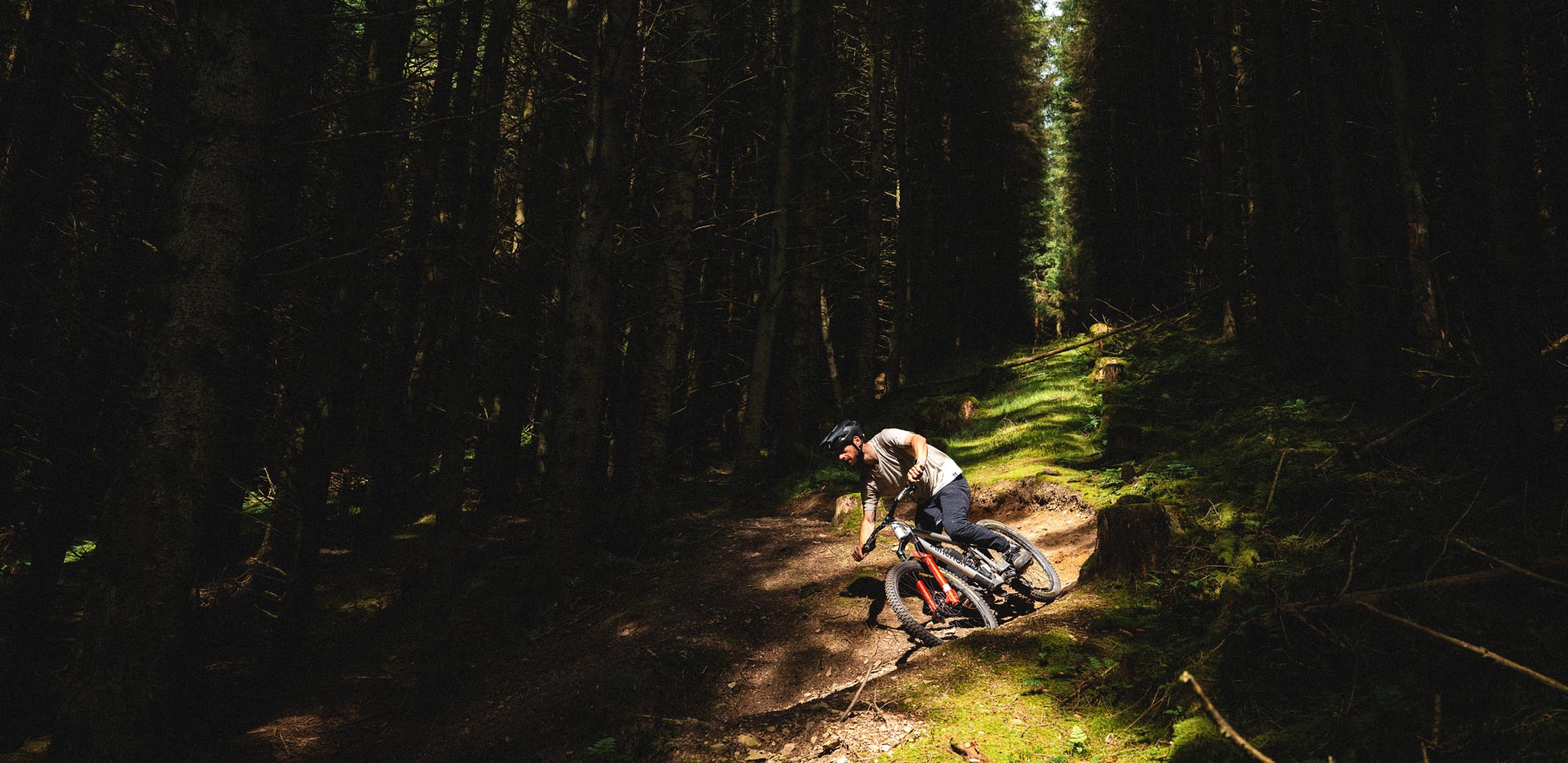
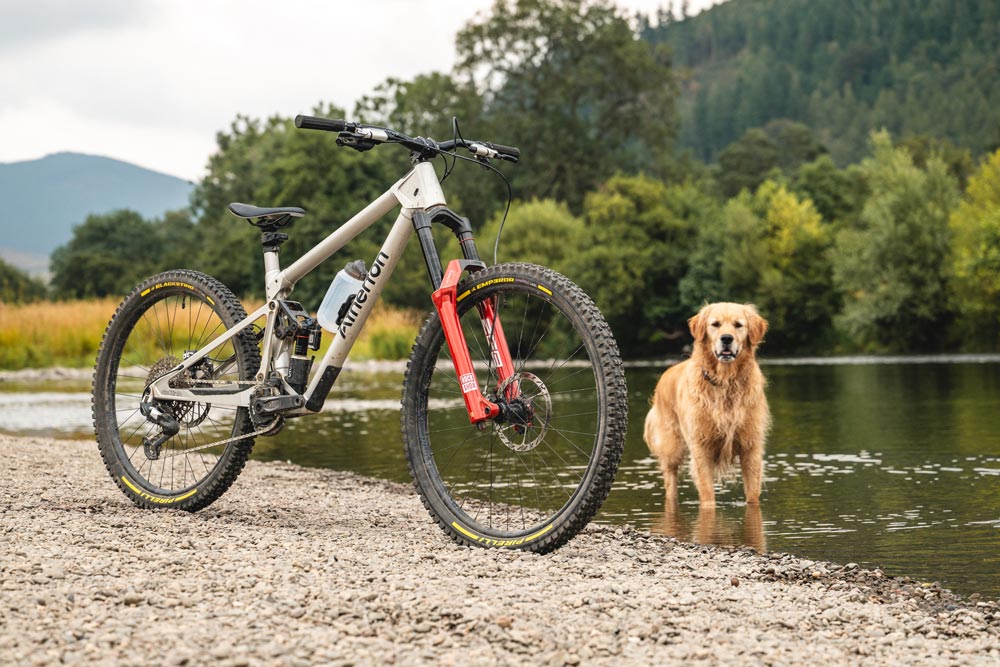
We have noticed a resurgence of new enduro mountain bikes around our local enduro trails and Bike Parks over the last couple of years. Though we have had our share of enduro machines come across our desk, the level of performance to which they had risen had slipped us slightly, but upon the arrival of the Orbea Rallon and Atherton S.170 at the beginning of this year, we were so impressed that we had to see if others could match or surpass them. We’re not exaggerating when we say that the capabilities delivered by some of the enduro bikes in this test is greater than that of the previous generation of some downhill bikes. Yet, all of these bikes will let you spin your way to the top of your favorite descents with comfort.
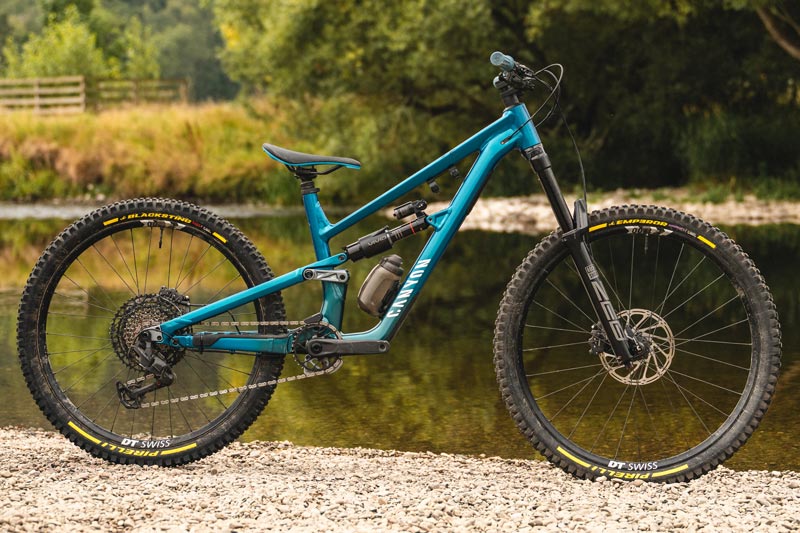
In this year’s enduro test, we had a spread of rear travel figures from 155mm to 180mm. While you may question the inclusion of the 180mm Canyon Torque AL “freeride” bike, we would wager that many “enduro” riders are spending a considerable time at bikeparks and riding groomed flow trails. Could a bike like the Canyon serve these riders well whilst still tackling rough and rugged enduro terrain serviced by pedaling up on the day-to-day?
With all of the bikes tested with mixed wheels, and no high pivot and idler bikes nor active chain devices, you might think that these eight enduro mountain bikes would all feel quite similar. We certainly weren’t prepared for just how different they would all be! Along the way, we were impressed by some bikes, and surprised by others, but can confidently say that none of these bikes are bad. Even so, there were bikes that excelled in certain terrain or with specific rider styles, and each of the crew had their own favorites.
As is typically our approach for our group tests, we did not set about to award the best enduro mountain bike on its own. We would consider this approach a disservice to our audience, as all of these bikes has their own unique character that could make it the best bike for a particular subset of rider or a particular budget. Instead, we aimed to characterise each bike and explain its strengths and weaknesses, to help you decide which bike would best suit you.
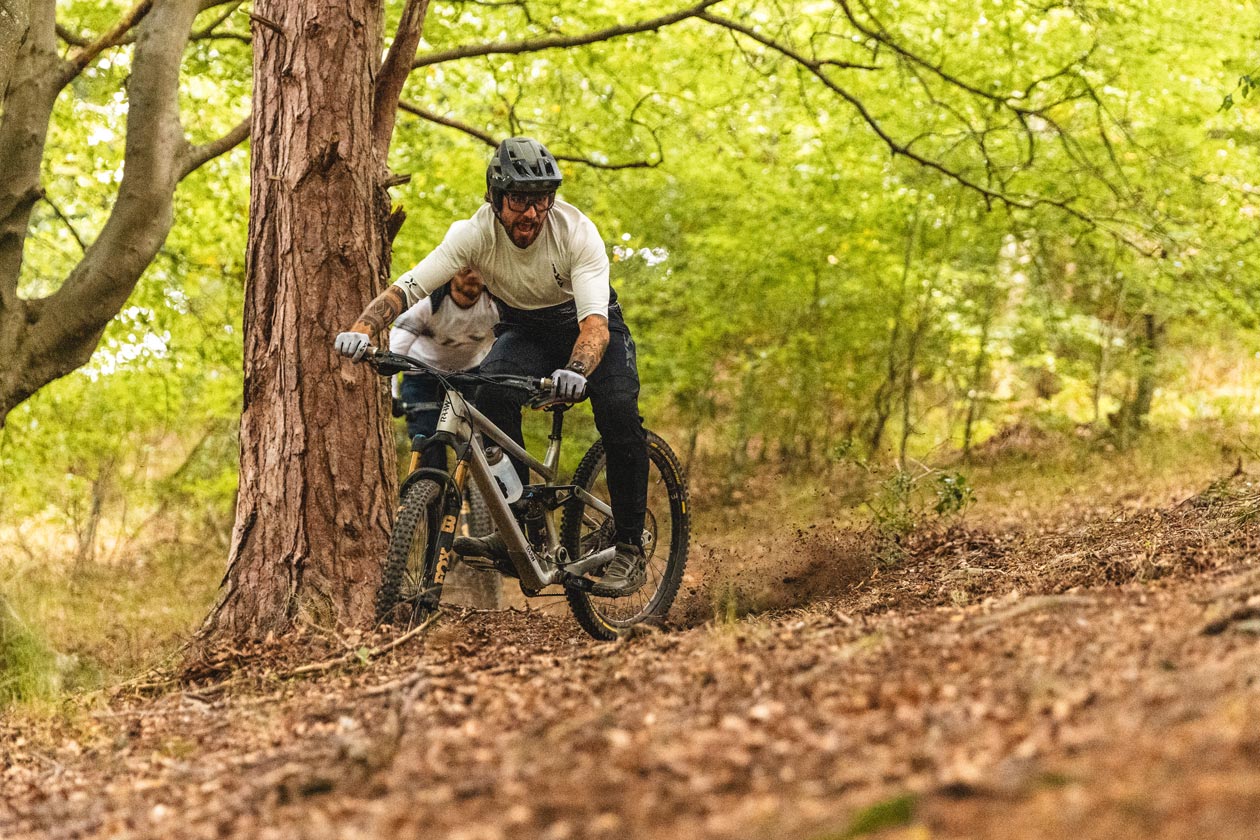
HOW WE TESTED THEM
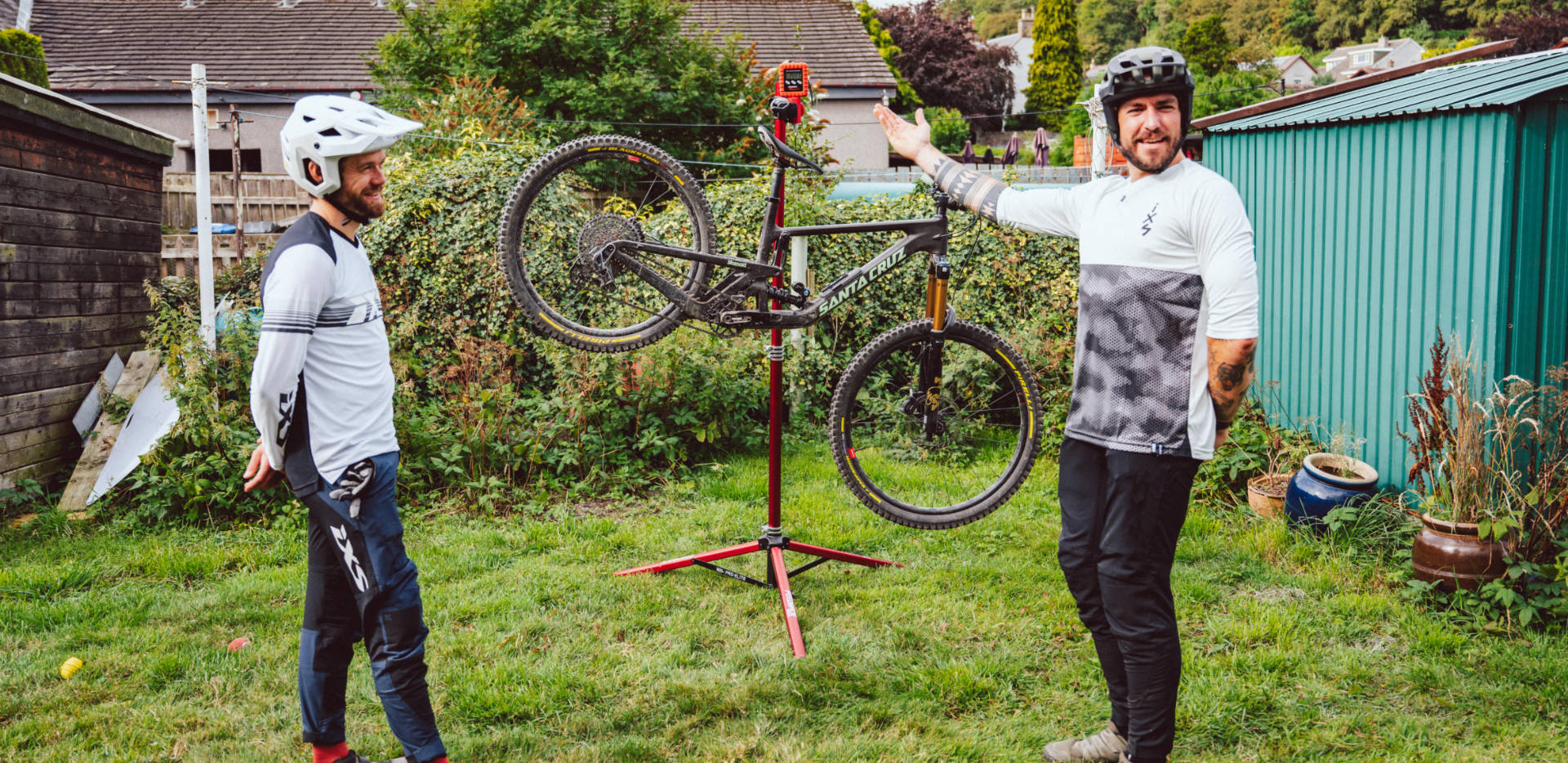
These eight enduro mountain bikes were tested around the world over the course of 2026, with some receiving a long test period prior to the final comparison test, and others arriving closer to the culmination of the test. Each bike was given a targeted setup process where the suspension and geometry configurations were experimented with until the optimum all-round settings were determined for each rider. Where possible, the alternative configurations received experimentation to get a well-rounded impression of the potential character(s) of each bike.
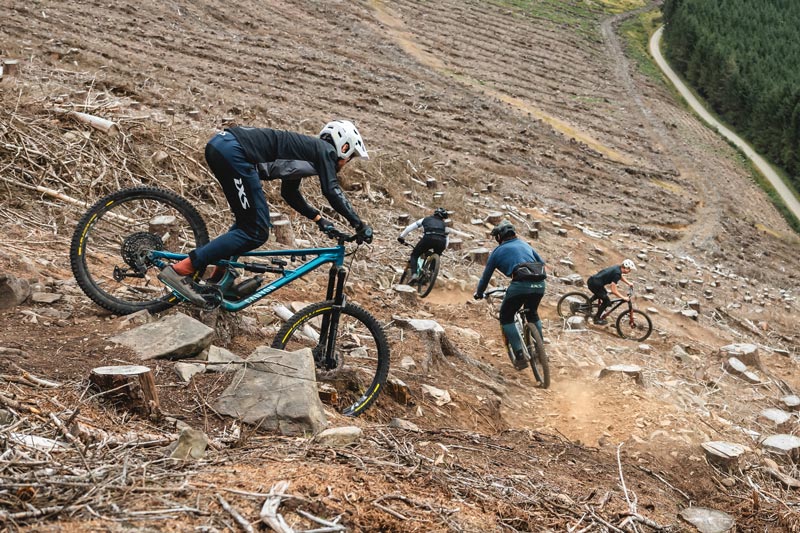
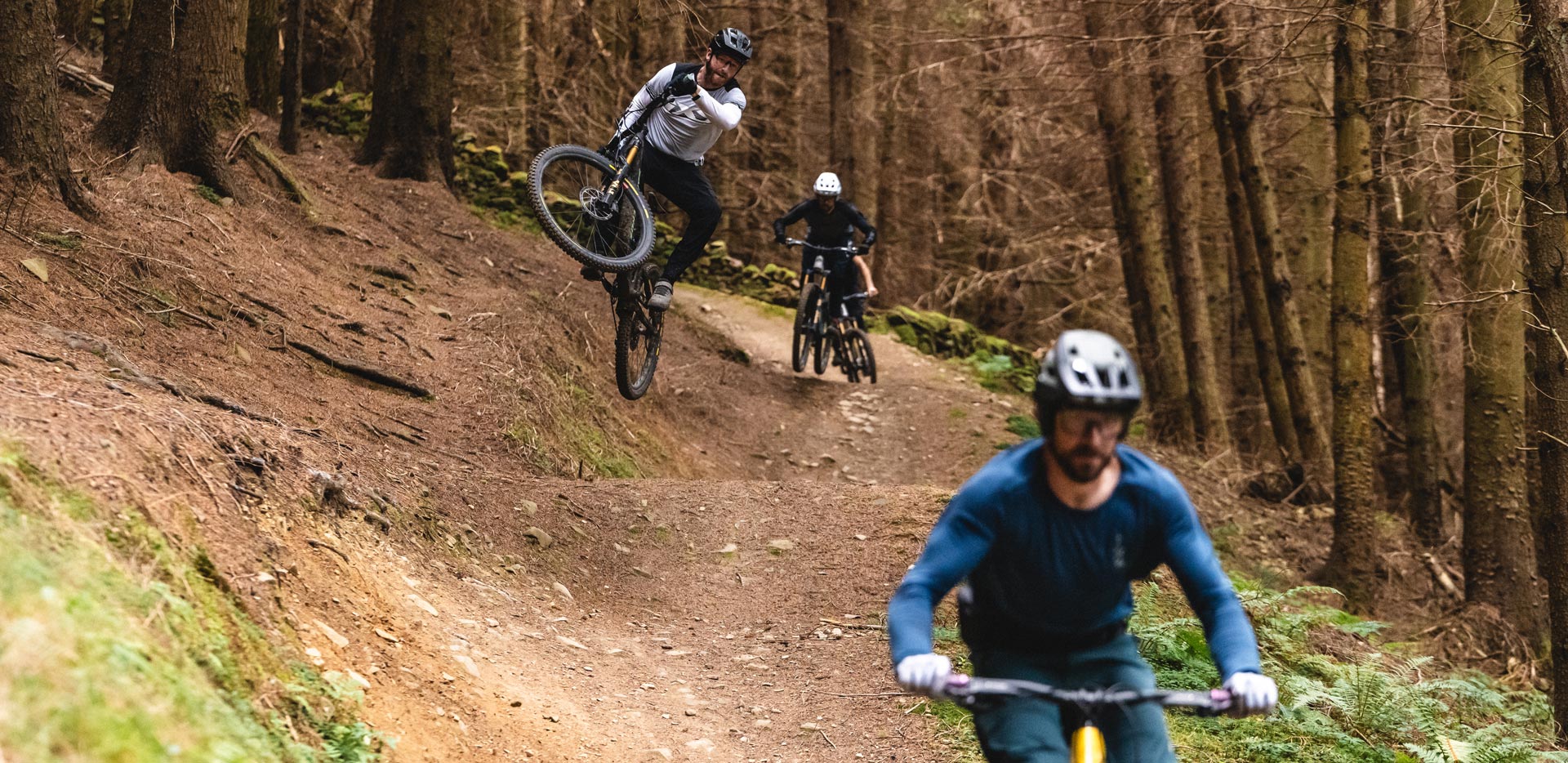
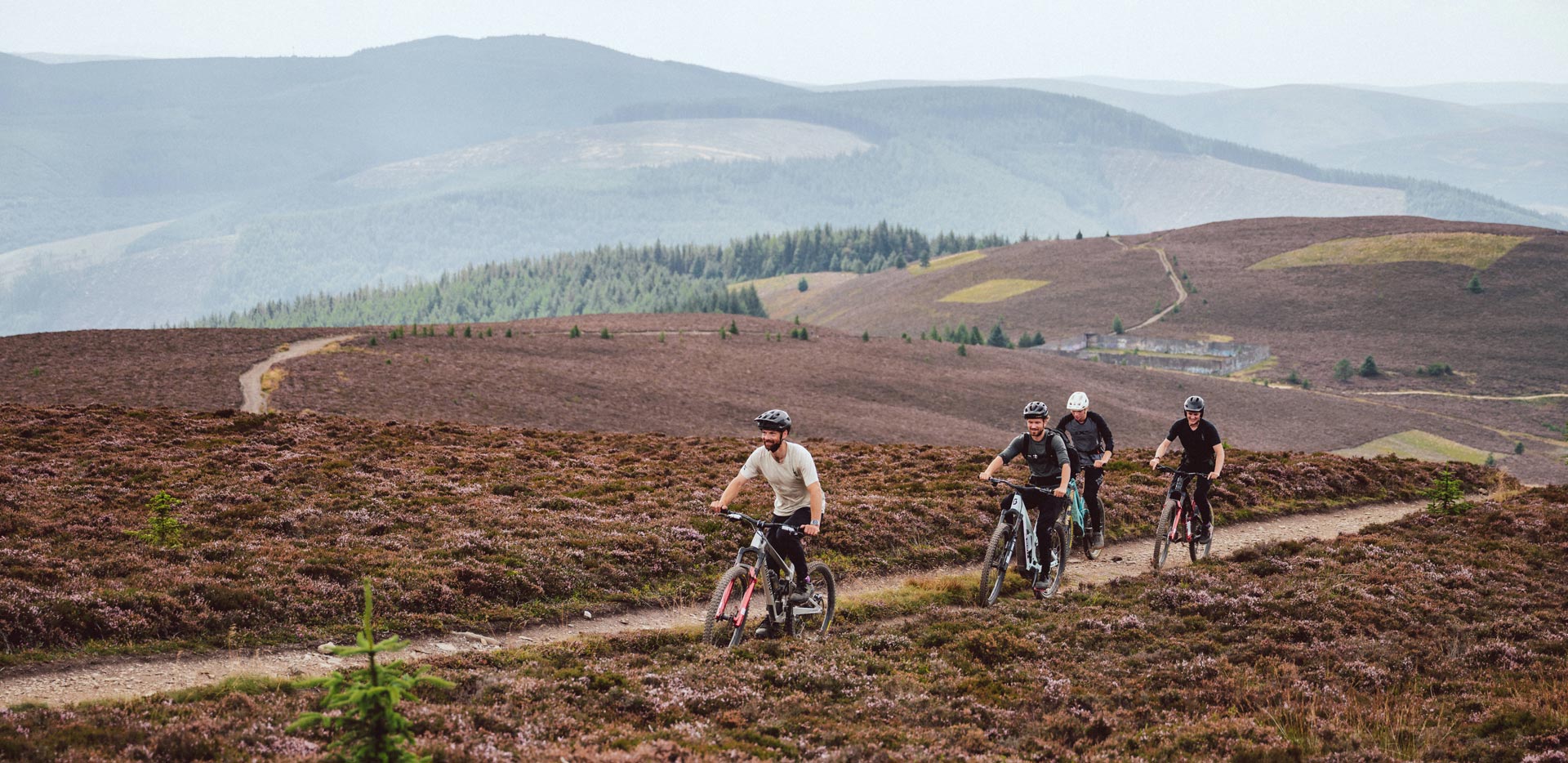
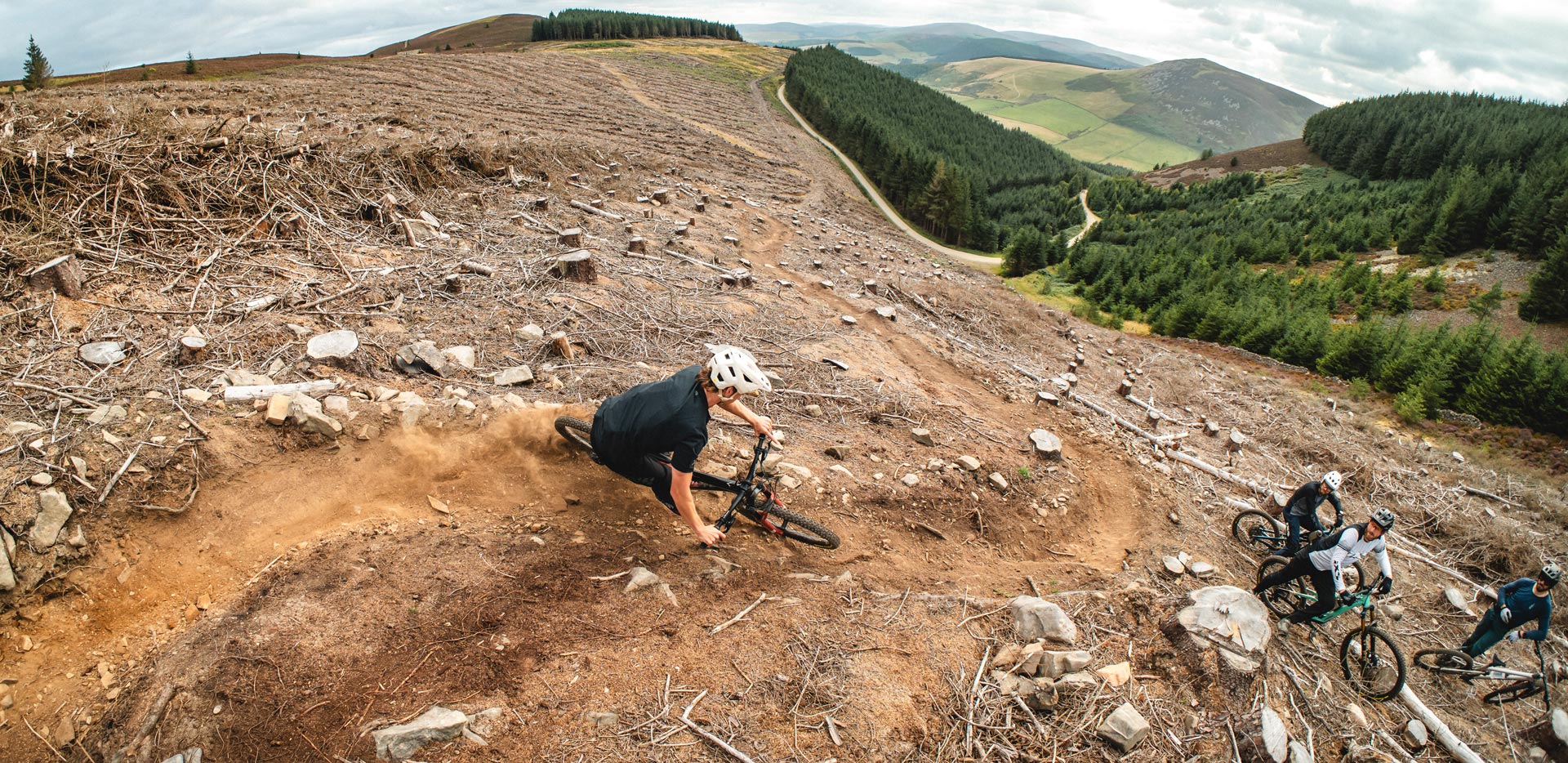
Every bike was tested on a variety of terrain and trails around Scotland and further afield – with some getting as far as New Zealand and Canada. The only exception was the late-arriving Cannondale Bad Habit, which only made it to Innerleithen’s DH trails and world-renowned Golfie enduro trails. To conclude the test, the bikes were put to the test head-to-head on the downhill trails serviced by the Adrenalin Uplift shuttle service in Innerleithen, Scotland, delivering the final comparative verdicts and “race run” results.
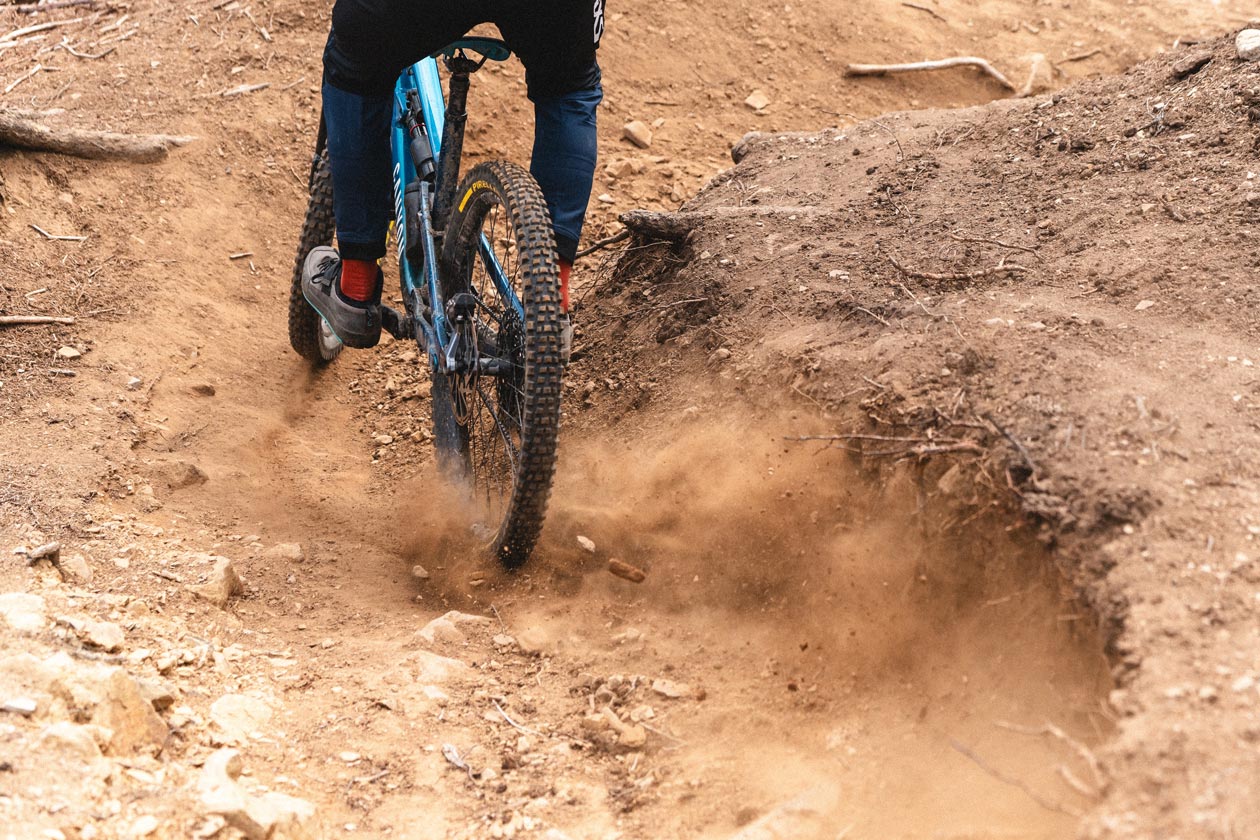
Consistency Is Key
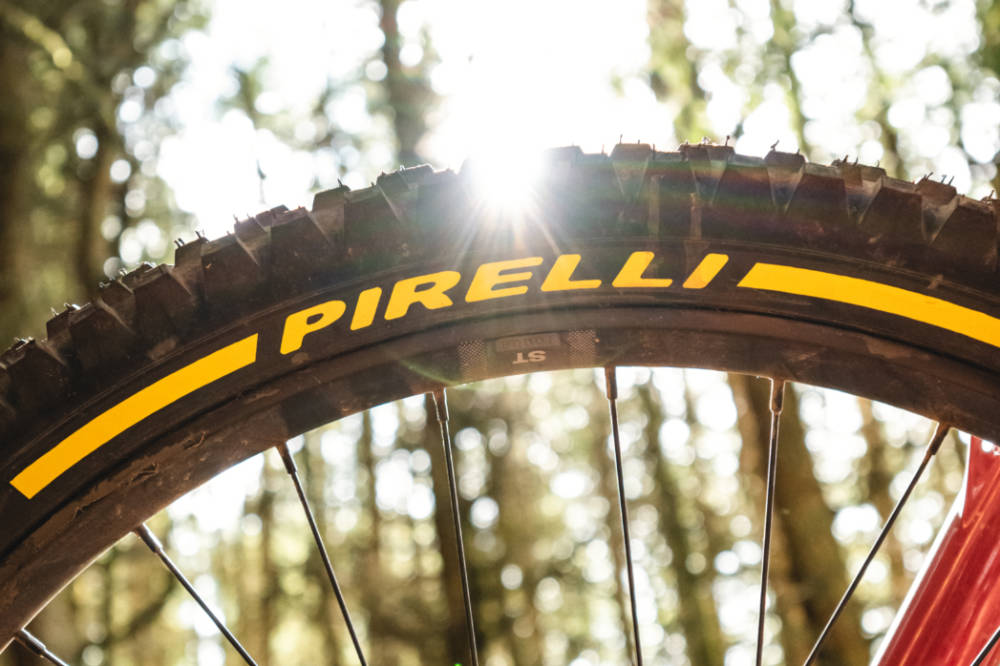
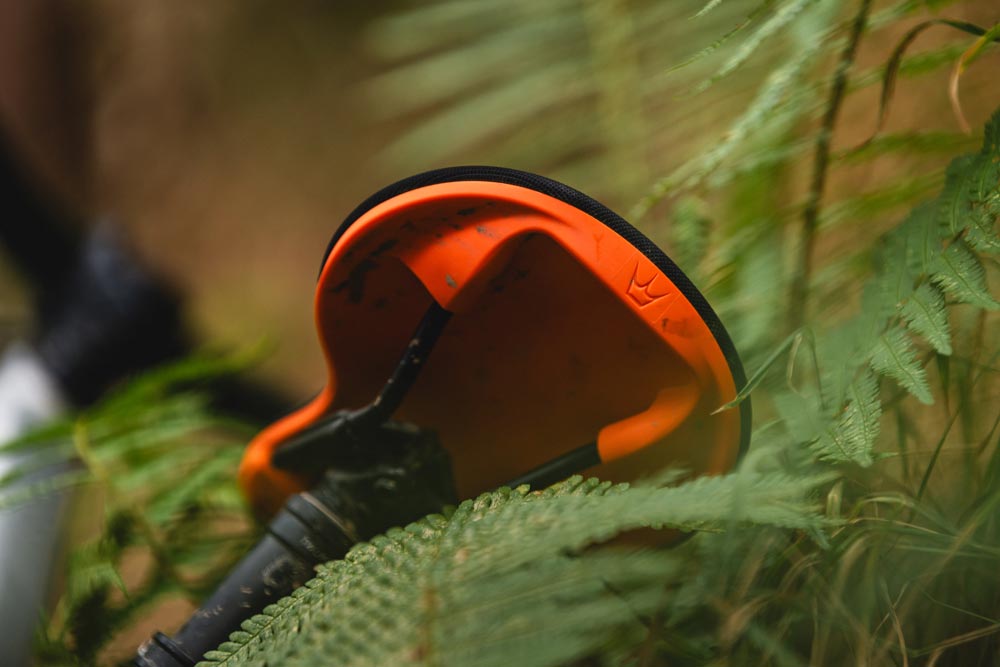
For the best comparability throughout testing, each of the bikes was tested exclusively in a mixed-wheel configuration. Pirelli’s Emperor Hardwall Super Soft 29×2.4” front tire and Black Sting DH+ Wall Soft 27.5×2.4” rear tire were fitted to all bikes with consistent pressures (70kg/155lbs Graham at 21psi / 23psi, 98kg/220lbs Robert at 25psi / 27.5psi) to give consistent handling and dependable performance. Peaty’s Monarch Pro Mushroom Thin Grips and Monarch saddle provided consistent touch points to ensure comfort.
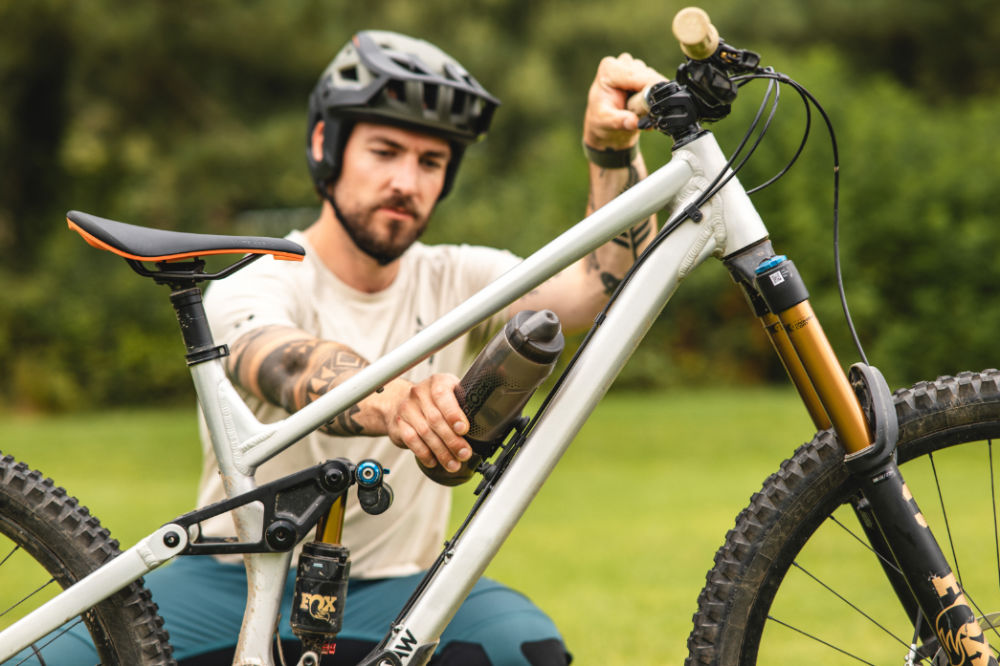
To give a comparable fit across each bike, the frame size was selected based on the span – the distance between the feet and the handlebars. Any outliers had their cockpit adjusted to deliver a closer fit, with headset spacers and bar rise adjusted to ensure comparability, where required.
Bikes that did not already have 230+mm travel dropper posts fitted were equipped with the Ascend Components Adapt dropper post in 230mm length, ensuring every bike offered excellent clearance for attacking the downhills. Every bike featured a 780mm wide handlebar.
A hot topic in 2026 mountain bikes, chain dampers and hub-based chain devices came equipped on a number of these bikes. During testing, these were experimented with, with mixed results. Oftentimes, we found that the hub-based devices such as DT Swiss’s DEG DF hubs could exacerbate cassette slap on the frequent slap-downs sustained in the primary testing ground of Scotland’s Tweed Valley. Additionally, the detriment to technical climbing performance from both active hub devices and active chainring spiders was notable. While these devices can yield small bump sensitivity improvements in certain riding scenarios, we opted to conclude testing with all devices turned off for a fair comparison.
These changes all take time and effort, but were performed in the pursuit of obtaining the best comparison of these enduro mountain bikes.
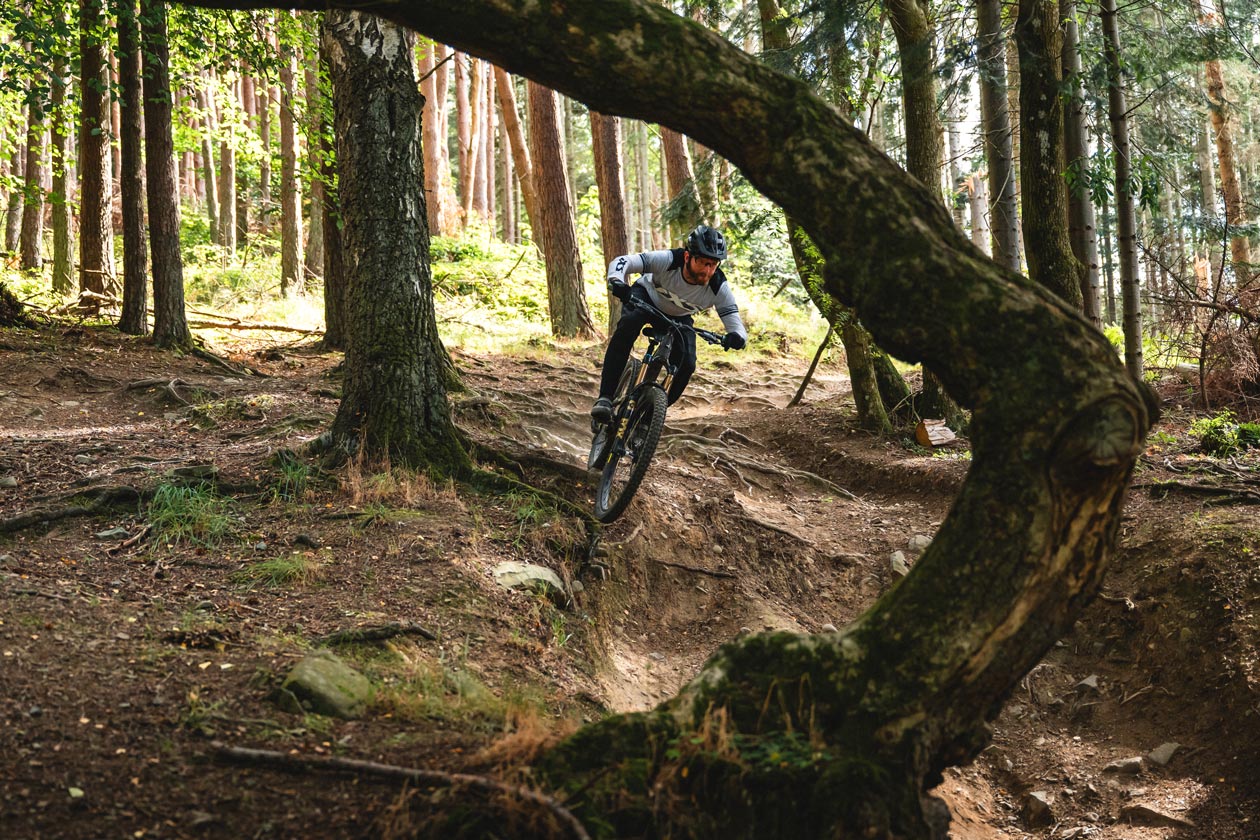
THE NUMBERS
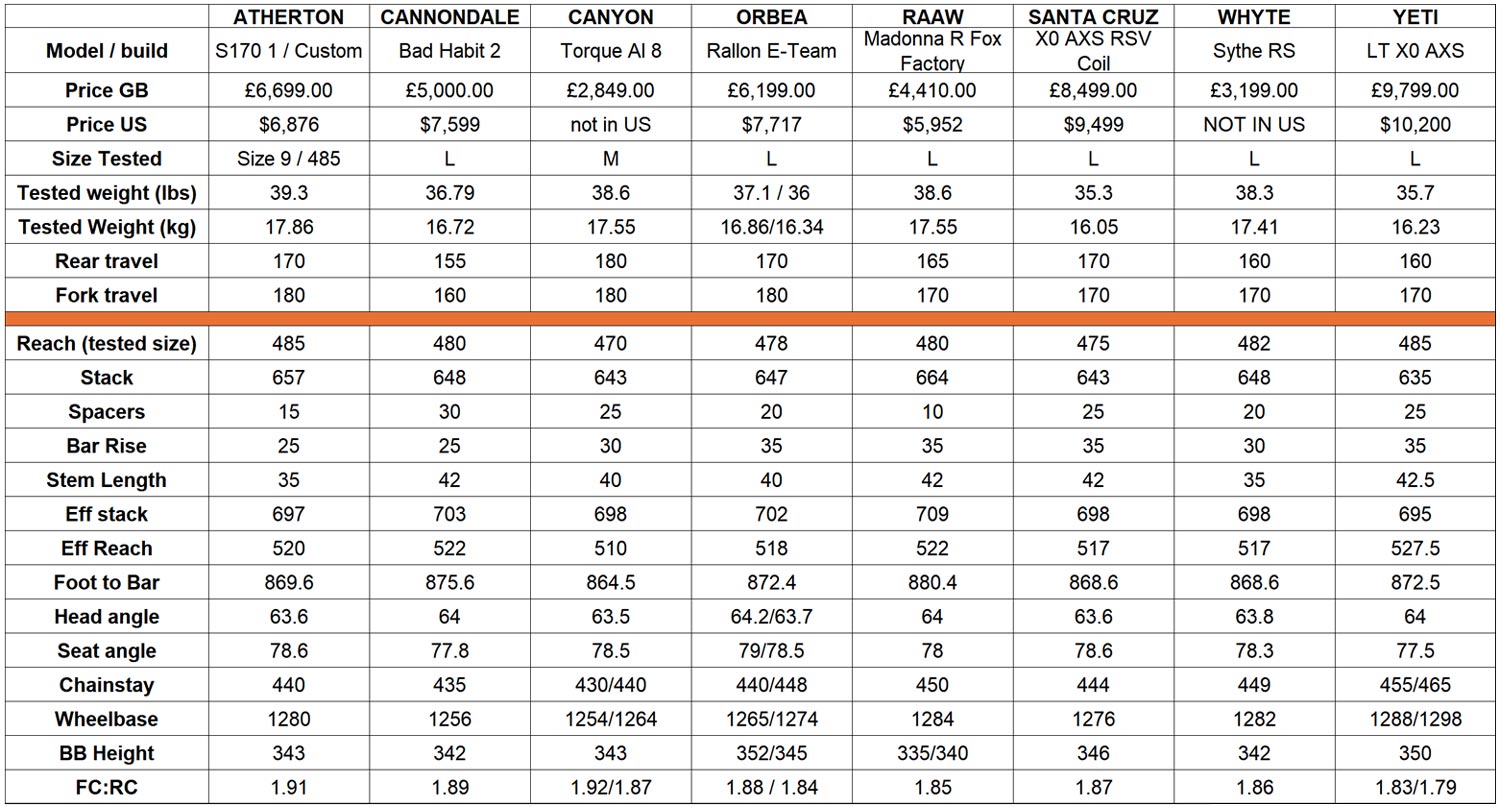
WHAT THE NUMBERS DON’T TELL YOU
There is much more to a bike’s overall performance than the frame material and basic suspension layout. The specific pivot point layout, accompanying shock tune, and the wheels and cockpit spec can all make a notable difference to the handling characteristics of a bike.
Similarly, elements like cable rattle and chain noise make a huge difference to how calm the bike feels on the descents. A quiet bike is a happy bike, and a happy bike often makes for a happy rider.
While we did not utilize a consistent test wheelset across all test bikes, those equipped with carbon fiber wheels were also fitted with an alloy wheelset for a period of the test to better compare the stiffness of each chassis.
Lastly, all bikes were equipped with suitably powerful brakes from stock, which was great to see, but not all worked as intended. Any brakes delivering anything other than perfect consistency were serviced. Braking performance is crucial to instill confidence and let a rider push the limits of a mountain bike.
THE AWARD CATEGORIES
Best Enduro Race Bike
The bike that carries and generates speed the best. The one you want to take to the start line of an enduro race.
Best Bike Park Enduro Bike
The bike you would grab to hammer lap after lap of Downhill and Bike Park jump tracks.
Best Entry to Enduro Bike
The bike that will provide comfort, control and confidence for riders of all abilities, no matter what’s ahead of them.
Best Value Enduro Bike
The bike you would buy with your own money, or recommend to those with more of a price consideration.
Awards will be announced once the Finale video goes live.