

WE DIG
WE DON’T
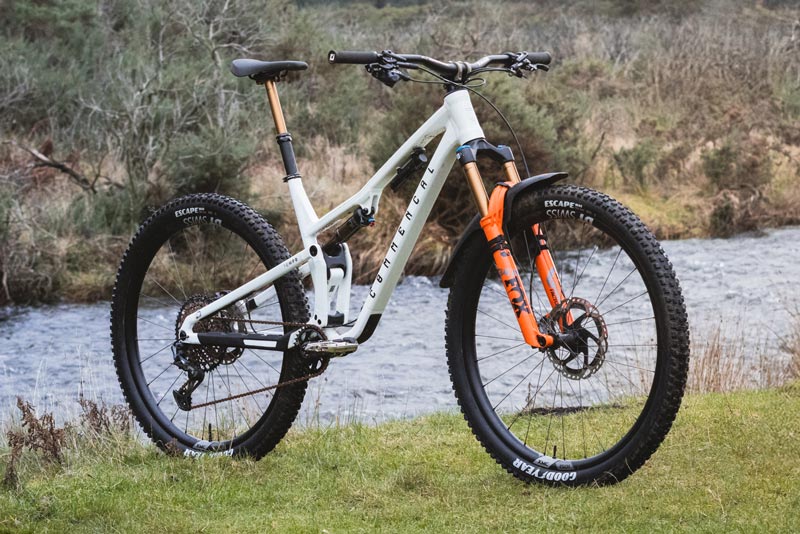
ABOUT THE COMMENCAL TEMPO
The Tempo is offered exclusively in a dual-29” wheel set up, with no provisions made to maintain the geometry when using a smaller 27.5” rear wheel. The 125mm rear end is mated to a 140mm fork as standard, with the more aggressive T-Type build coming with a burlier 150mm fork.
FRAME AND FEATURES | Commencal manufactures the Tempo frame from 6069 aluminium, as firm believers that it is the best material for mountain bike frames. This frame comes in at a claimed 7.58lb / 3.44kg, which we assume to be for a size Small with no hardware, since the full build tested came in at 14.4kg / 31.8lbs with a relatively lightweight build.
Commencal offers no adjustability for the geometry or suspension of the Tempo, opting to keep things a little more simple. The cable routing is regrettably through the ZS56 headset, running internally through the frame aside from a short span of external from the front to the rear triangle. There’s a PF92 BB, SRAM UDH, room inside the front triangle for a water bottle, a secondary tool mount underside the top tube, and standard BOOST 148 axle spacing.
Commencal backs the Tempo frame with just a two-year warranty for new purchases, or a five-year if you’re a Tempo owner from before October 2024.
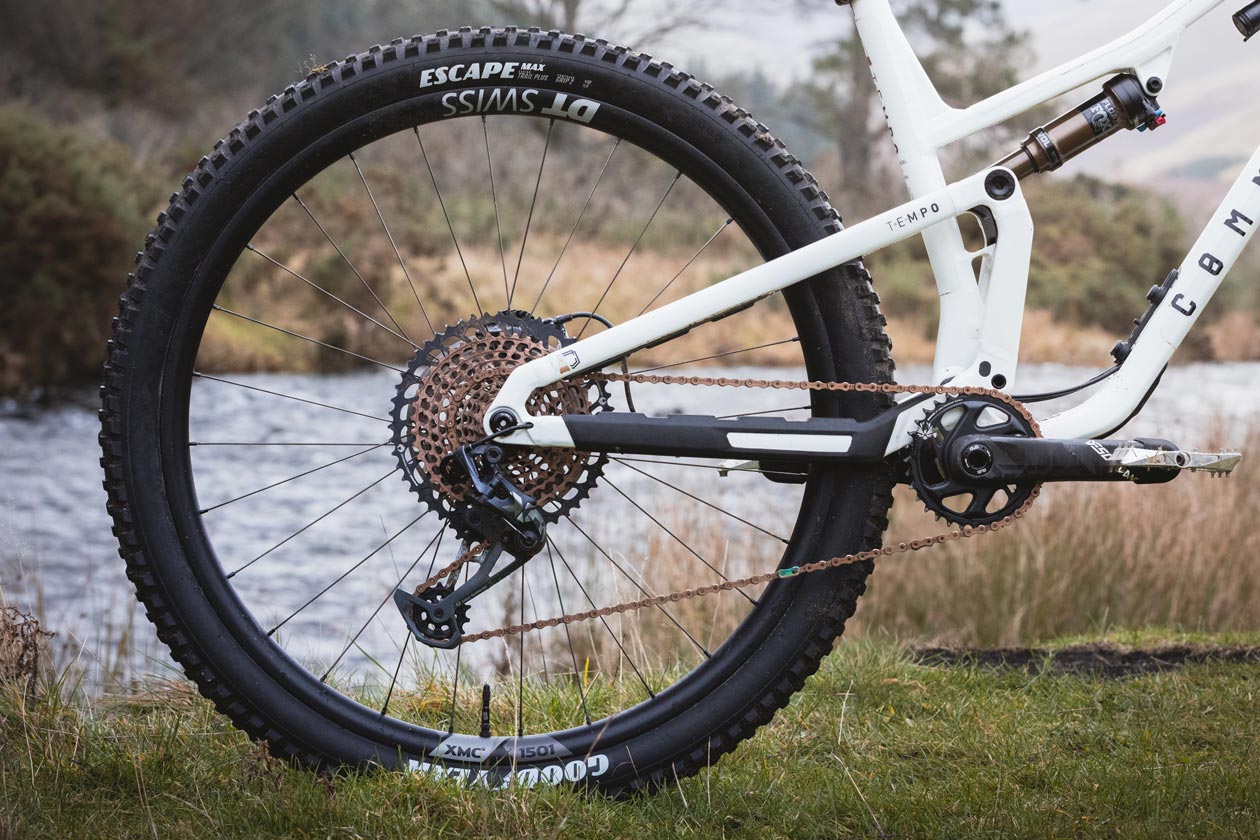
SUSPENSION | Commencal introduced the VCS suspension system with the launch of the T.E.M.P.O back in 2022, moving from their typical linkage-driven single pivot setup to this dual-link, virtual pivot design. VCS, or Virtual Contact System, was implemented to afford the Commencal engineers with greater freedom with the suspension kinematic, obtaining the suspension performance they desired from the 125mm rear end.
The leverage ratio on the Tempo is relatively linear, with 11.5% progression, making it best suited to smaller volume air springs with plentiful air chamber ramp-up. The anti squat is fairly high, sitting in the 115% zone at sag and only dropping off deeper into the travel, giving high levels of pedal kickback. Brake squat, or anti rise, sits around the 95% mark through the travel.
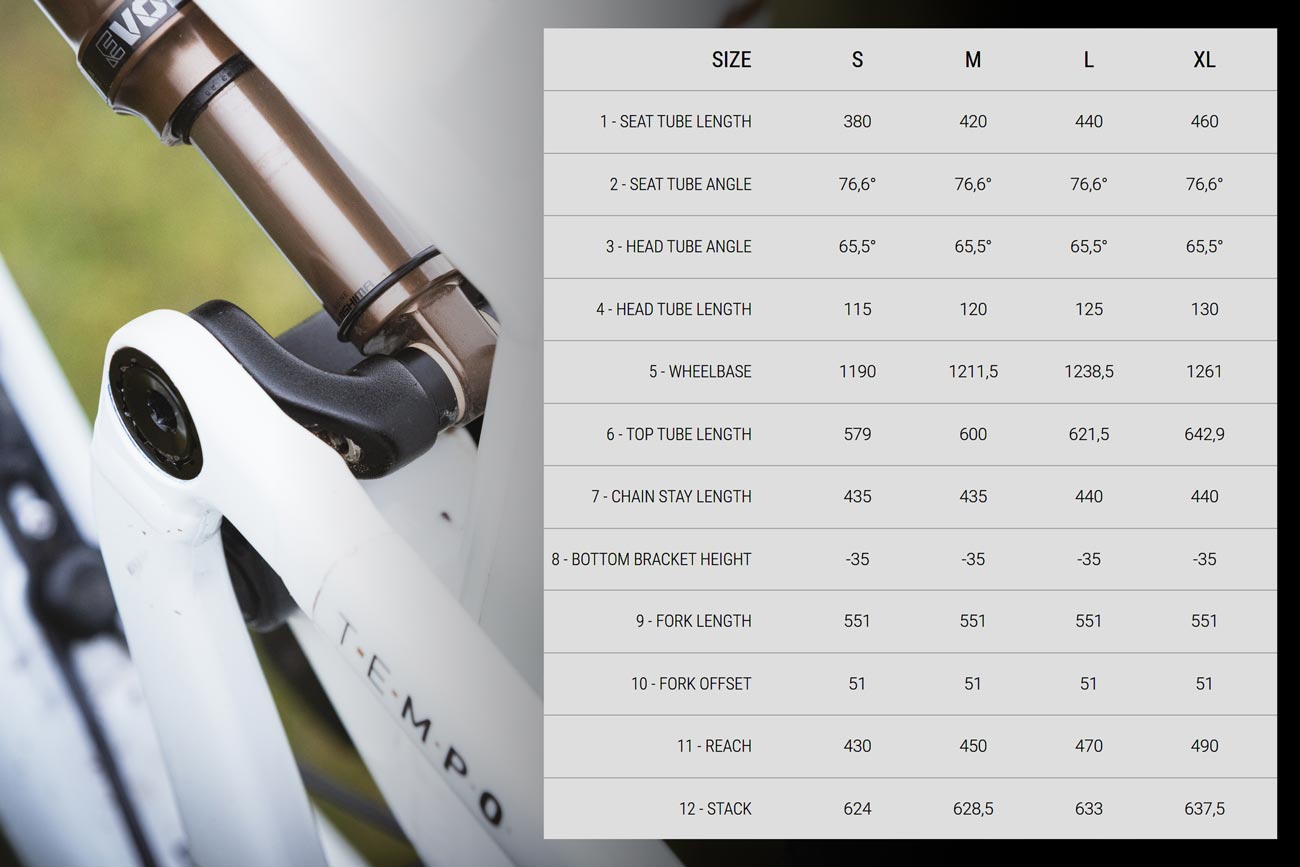
GEOMETRY | Commencal gave the Tempo modern geometry back in 2022, and it still holds up as a fairly modern overall bike in the trail bike space to this day. The head tube angle is a fairly quick 65.5°, the effective seat tube angle fairly relaxed at 76.6°, and the bb a fairly low 35mm below the axles.
Reach figures are on the slightly shorter side of typical, with the large coming in at 470mm and the accompanying stack at 633mm. The chainstays go from 435mm on small and medium, to 440mm on large and XL.
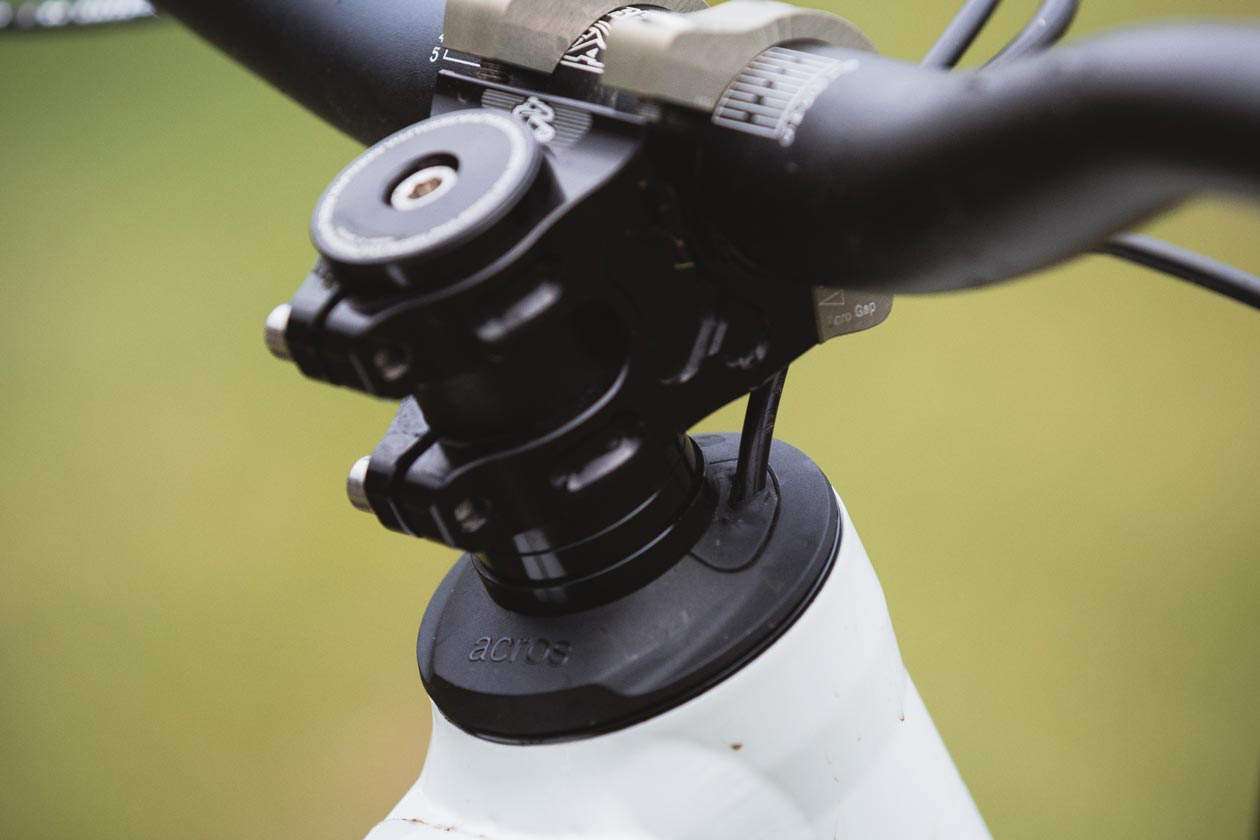
BUILD SPECS | Depending on where you are located, the Commencal Tempo builds on offer vary. Concentrating on North America, the range spans from the $3,200 Ride build to the burlier $6,500 T-Type spec.
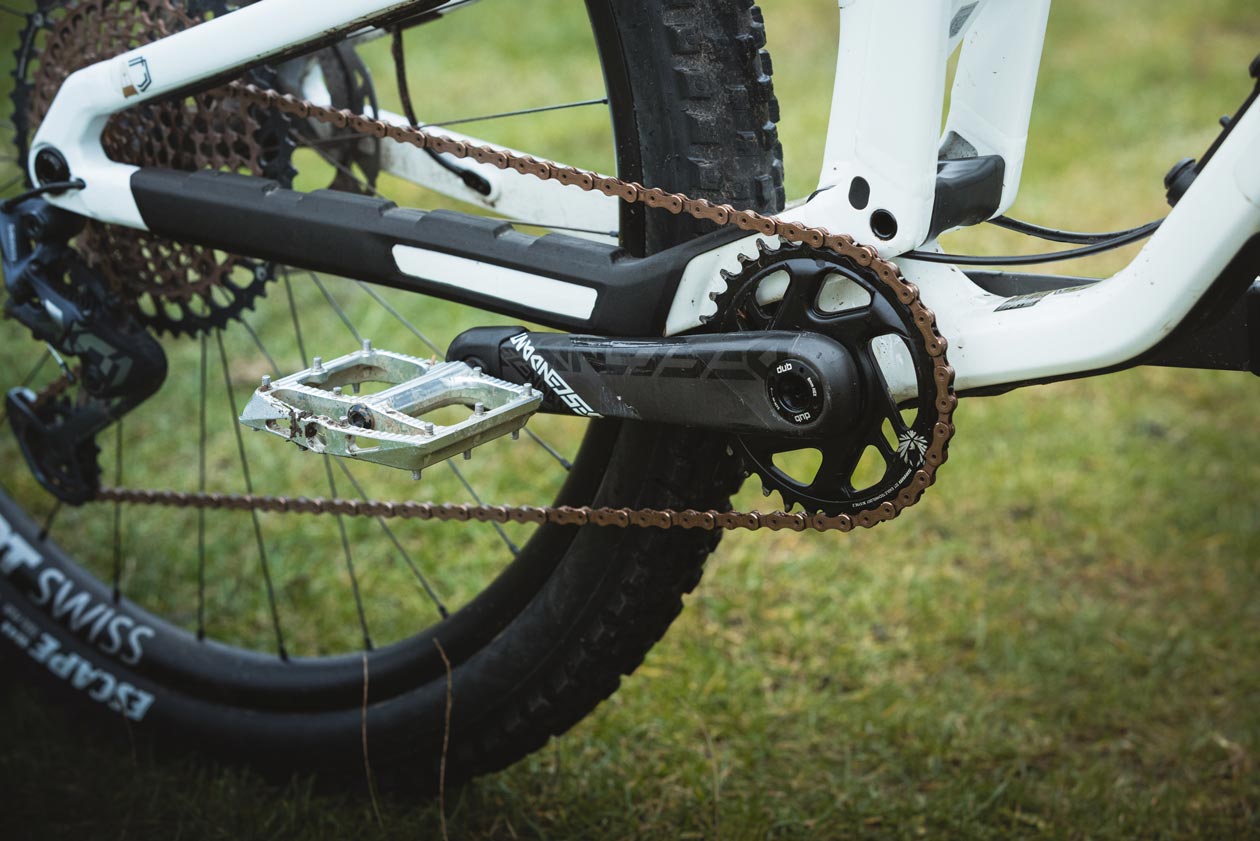
We tested the T.E.M.P.O LTD, retailing for $6,200 and on sale at $5,500 at the time of writing. This build comes equipped with a suitably premium parts package, albeit with some items from a generation or two before. A Fox 34 Factory fork with Grip 2 damper is paired to a Float DPS Factory shock.
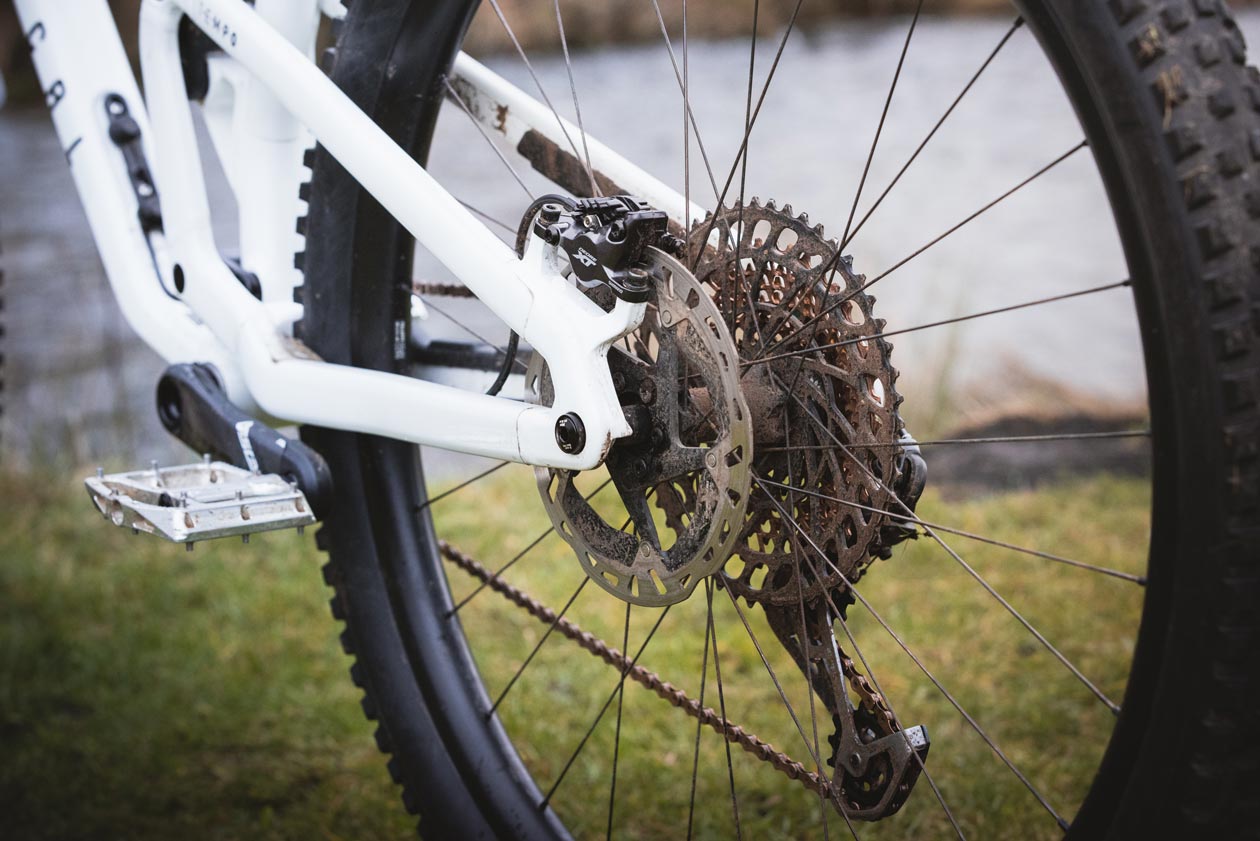
In the spirit of keeping the build light, Commencal equipped a set of 2-piston Shimano XT brakes and a SRAM XO1 Eagle (non T-Type) drivetrain. Similarly light are the DT Swiss XMC1501 wheels with 240 hubs, which proved to be a stellar choice, which were wrapped in a set of Maxxis EXO tires as standard, with a DHR2 up front and a Dissector in the rear.
Rounding out this 14.4kg / 31.8lbs build is a Renthal alloy bar and stem, Fox Factory Transfer dropper, and Fizik Terra Alpaca X5 saddle.
THE DIRT
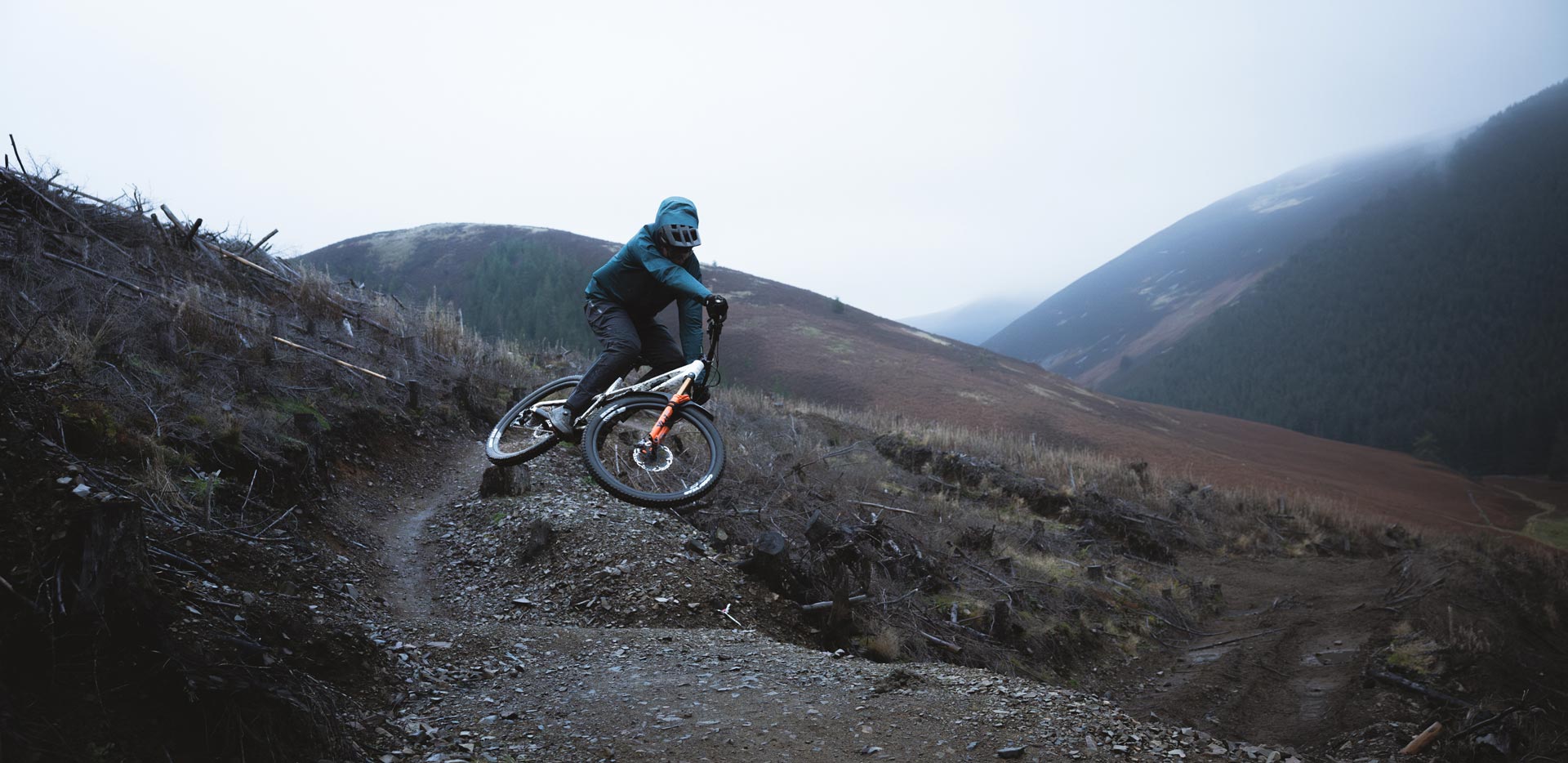
I tested the Commencal Tempo over an 7-month period, giving me a good spread of terrain. From the best Scottish flow trails to some chunky enduro terrain to push the Tempo’s limits, it was an interesting test that left me equal parts stoked and stumped by this short-travel alloy trail machine.
SETUP | With the reach numbers coming up reasonably short on the Tempo, I opted to test the size XL. It proved to offer a comfortable fit for my 189cm / 6’2” stature, with a suitably stretched climbing position that encouraged hammering on the climbs, and a roomy cockpit for the descents. I slammed the saddle all the way forward in the rails to offset the effects of my high saddle height pushing my seat position rearwards, and was left with a comfortable fit. In hindsight, I should have opted to ride the Large, though, and think I would have enjoyed its slightly more compact nature to obtain increased fun factor on the descents.
Getting the Fox DPS Float shock set up with the VCS suspension system didn’t take a great deal of effort, but I found there to be pronounced harshness if I ran short of 30% sag. Once I aired down from my initial 27% starting point, I began to feel more comfortable, both in the dynamic geometry and terrain feedback. Even with the 32% sag that I settled on, the Tempo gave plentiful feedback and a solid platform for working the terrain on the descents and laying down the watts uphill.
I didn’t feel the need to switch out any componentry, only experimenting with the tire selection during the test, and otherwise running the bike as delivered stock. That said, I would have loved to test this bike in a slightly burlier overall guise, perhaps the T-Type build with its 150mm fork and four-piston brakes.
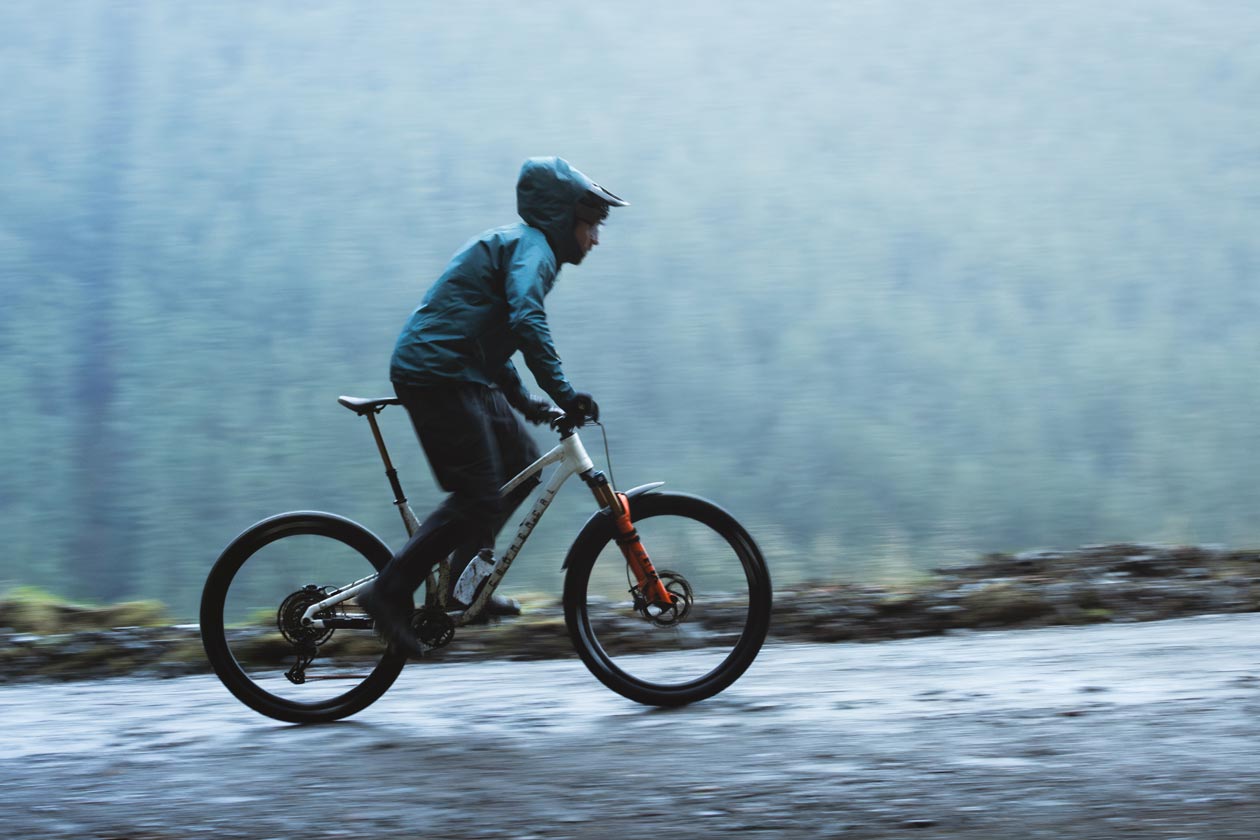
CLIMBING | The Commencal Tempo didn’t deliver the most forward momentum for a given pedal input in rough terrain, with a firmer feel that favored pedaling efforts on smoother surfaces. Especially notable was the tendency to drive the rear wheel hard into the back of square-edge obstacles and sacrifice momentum.
When pedaling in smooth terrain, the reward was an efficient pedaling response that helped to disguise its weight. Similarly, for short bursts of power to get up or through isolated features, the Tempo offered plenty of get-up-and-go. There was never a demand to reach for the climb switch, with the VCS suspension kinematic doing most of this for you. As such, it was only on smooth fireroad climbs that the climb switch was used. With the Tempo’s relatively high weight for its class, the supportive suspension helped to retain some trail bike friendliness, but wasn’t enough to match the zip of its lighter competitors.
Pedaling geometry was stellar, striking a solid blend of characteristics to make climbs across the range of gradients comfortable and efficient. There was plentiful weight on the front wheel on all but the steepest winches, yet it never felt overly stretched. Striking a happy middle ground, where uphill agility was sufficient to wind through technical climbs, the Tempo had moments of uphill brilliance. But ultimately, it fell short of the lighter-weight downcountry whippets that you may be tempted to compare it to. That would be a disservice to what Commencal’s trail bike really is, though.
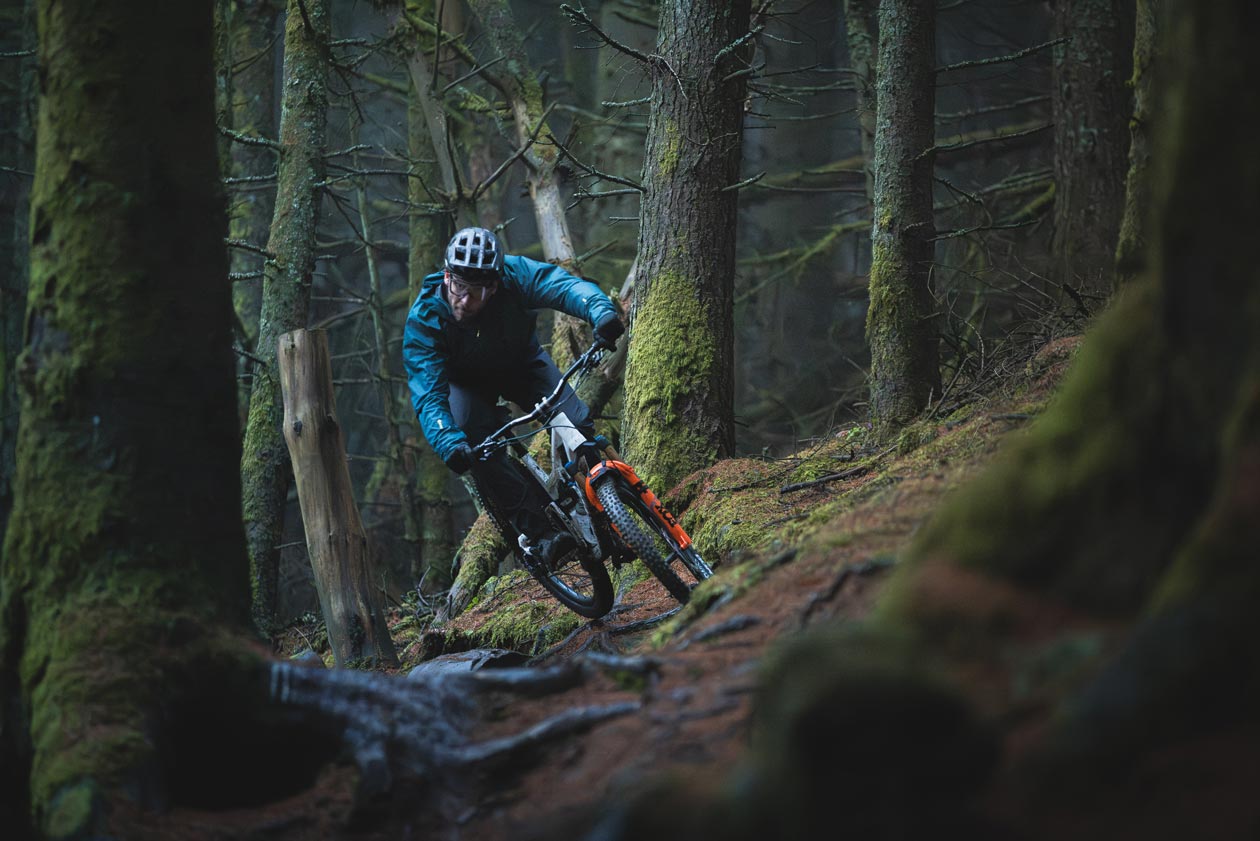
DESCENDING | The capability the Commencal Tempo exhibited on the way down came as no surprise. Does everyone remember the Frix Frix edit on the Tempo? It sums up its capabilities pretty damn well. In case you didn’t watch it, it’s worth a few minutes of your time, trust me.
The Commencal Tempo is not your typical short-travel trail bike. While its geometry on paper and somewhat “sharp” feeling suspension platform may yield initial impressions of a trail center machine, when pushing the Tempo, it is clear that Commencal is a brand keen on imparting all of their bikes with their gravity DNA. While the VCS system suffers from a slight lack of sensitivity for the square edges and transmits a fair amount of pedal feedback, once you begin to push the Tempo, it delivers healthy rewards in support and poise that few in the category can match.
While I had selected the Tempo to be my short travel, mile-munching machine over the winter, I found myself less keen on doing the biggest days in the saddle. Instead, riding enduro grade trails was actually where the most enjoyment came from Commencal’s trail bike, albeit at a slower pace than a longer-legged bike. Even so, its reassuring stoutness and impressive composure on the mid-size hits made for an extremely fun time.
Of course, the Commencal Tempo’s 125mm travel had its limitations, but outside of the bigger hits, it provided an impressive level of confidence and control. The balance of the Tempo was solid, and aside from chain noise on the biggest slap-downs, it ran smoothly and quietly throughout the test.
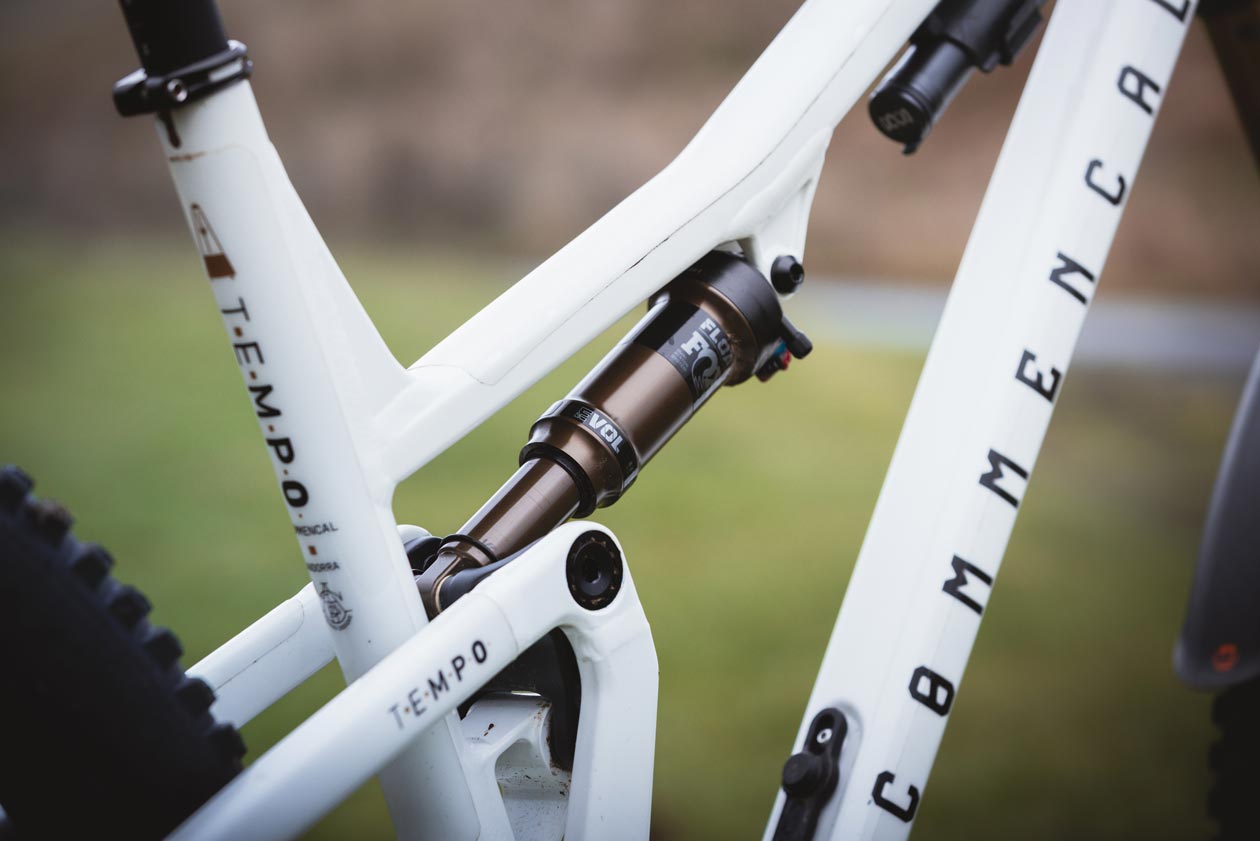
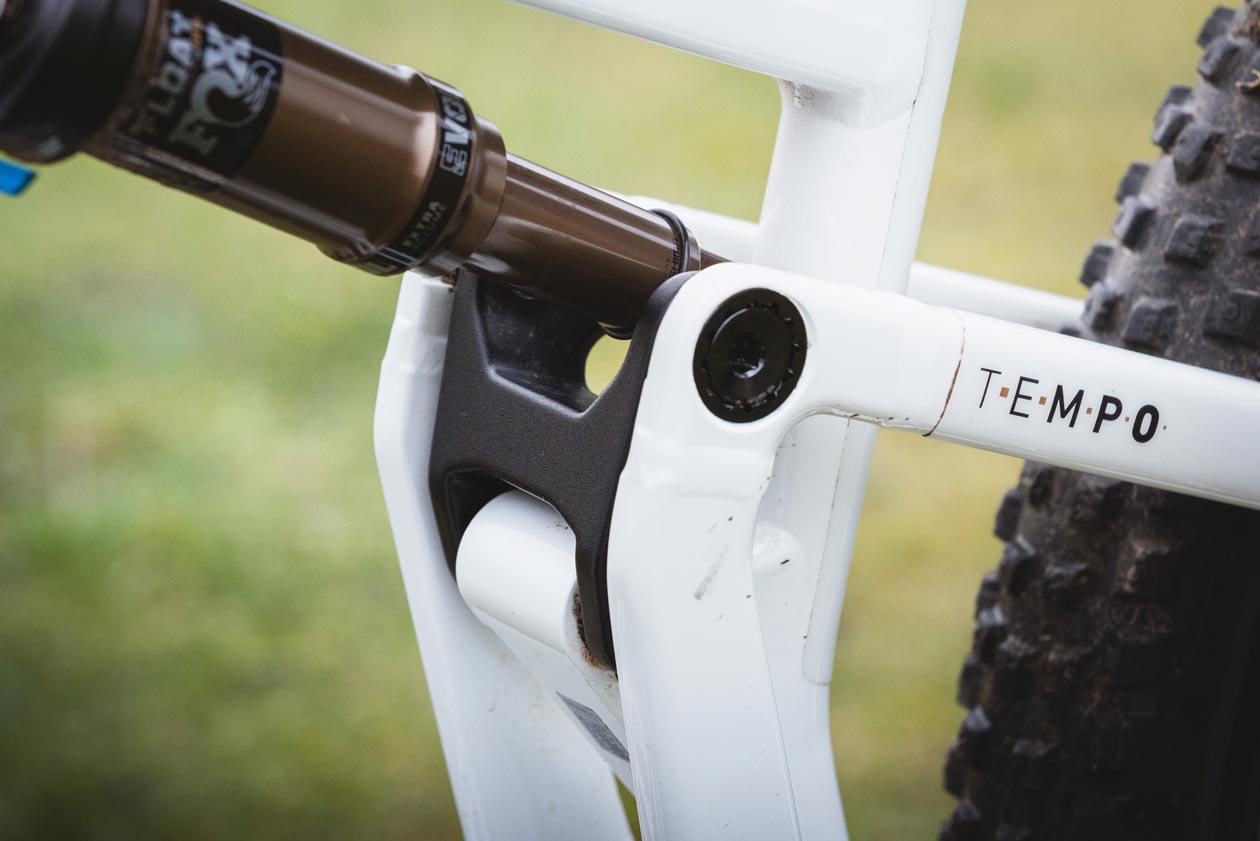
FINISH AND VALUE | The overall finish of the Commencal Tempo is reasonable, if not the absolute highest out there. There were reports of issues with the tolerances of the VCS system when the Tempo first launched, but it appears that Commencal has remedied these since. In this singular sample, the VCS system was suitably well aligned and cycled through its travel without creaking or binding throughout the test. The rear end wasn’t the absolute smoothest I’ve felt come the end of testing, but certainly within the bounds of what I would deem acceptable.
Working on the Tempo frame is not the easiest out there, for a home mechanic. There is a lot of pivot hardware that is hidden from access unless the frame is cycled through its travel. I was thankful that the majority of hardware remained tight throughout testing, with only the rear shock bolts coming loose twice and the lower pivot hardware once at the beginning of the test.
The headset cable routing was another story. While I didn’t have to perform any maintenance on it – and don’t believe that it’s going to add a ridiculous amount of time to perform tasks like cable replacement – the headset bearings didn’t take long to succumb to water intrusion and become tight. Granted, the testing conditions were bleak and bike washing plentiful, but I would consider my trail time on the Tempo to fall short of the expected lifespan of a headset bearing.
The paintwork held up well, thanks in part to protective tape fitted in key wear areas. There were no issues with cable rattle, tire rub, or excessive chain noise throughout testing. The Tempo ran mostly dialled, helping to make its $6,200 rrp feel a little more reasonable. That said, for an alloy frame from a direct-to-consumer brand, with the somewhat outdated parts spec fitted, you wouldn’t exactly say that its full retail price is a good deal.
COMPONENT REPORT
Shimano XT 2-piston brakes | I was nervous to get the Tempo into steeper terrain when I saw these 2-piston brakes fitted, but the reality was a solid performance that matched the capabilities of the rest of the bike, even for my 220lbs / 98kg weight.
DT Swiss XMC1501 Wheelset | The XMC1501 wheels held up amicably throughout testing. However, there was pronounced noise produced by the spokes in hard braking efforts, indicating the 28 double-butted and thin-gauge spokes were being pushed hard.
The Wolf’s Last Word
The Commencal Tempo made for a great time pushing the limits as an ultra-mini enduro bike, however it didn’t quite deliver the levels of sharpness that you might come to expect from a bike in its travel category. It’s a riot in the right terrain, but I would personally seek a more spritely and lightweight bike in this travel category to receive the rewards in performance uphill. 
Price: $3,200 / €3,222 (Ride) – $6,500 /€6,842 (T-Type)
Website: Commencal.com
SHARE THIS REVIEW
ABOUT THE WOLF

Robert’s habitat is the Tweed Valley, Scotland, which is renowned for its root-littered enduro mountain bike trails. Robert has been developing his bike handling skills for the last 16 years. Since he was a pup, he’s been riding everything from BMX through to enduro and downhill bikes. Combining a playful style with occasional speed-focused aggression, he favors supportive bikes, and does his best to push them hard.
Rank: European Tech Editor
Size: 6’2” / 189cm | 220lbs / 100kg
Social: @robert_johnston
SUPPORT AND JOIN THE LOAM WOLF PACK
Want to test products for The Loam Wolf or be a Guest Tester at one of our Shootouts? Join here and be entered into monthly giveaways, have access to industry discount codes, sneak peaks of new products and more!
This is a new and positive MTB community that directly impacts future of MTB product development, shares helpful tips, setup suggestions and more.
Check out our NEW community here.