

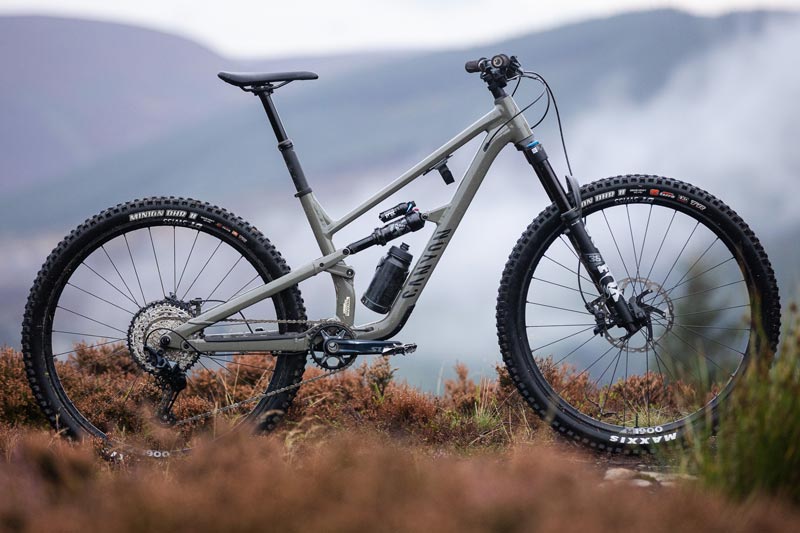
ABOUT THE CANYON SPECTRAL 6 AL
The Spectral is Canyon’s trail mountain bike line, with carbon and alloy framed versions offered across a range of builds. With 140mm of do-everything travel and a choice of dual-29” or mullet wheel setups, the Spectral aims to be a solid all mountain bike.
FRAME AND FEATURES
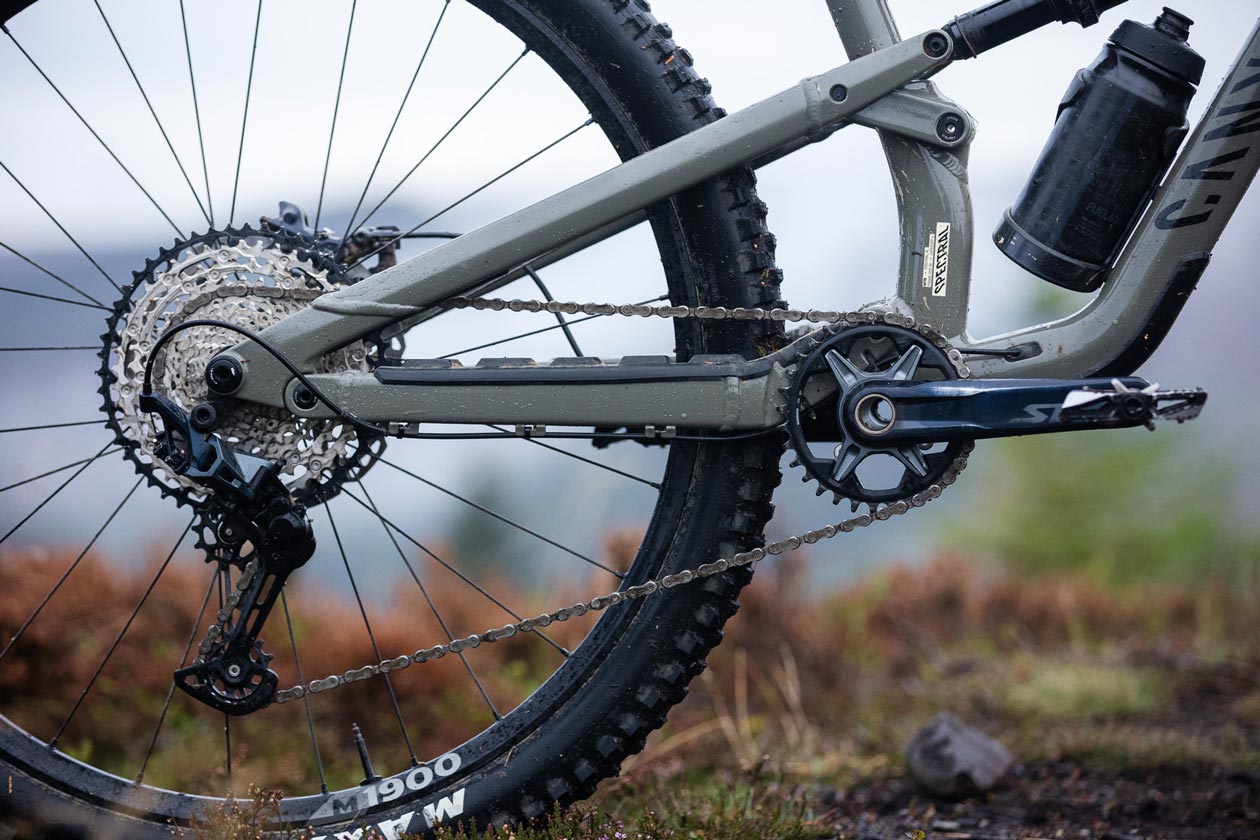
Canyon offers the Spectral in Carbon and Alloy frame materials, depending on the rider’s budget. The carbon frame comes with Canyon’s K.I.S. steering stabilizer; internal storage in the downtube, and flip chips for both geometry and wheelsize. The alloy frame receives none of these features, instead opting to provide simplicity. And this simplicity may just be the best feature of the AL frame. You’re locked into the wheel size at the point of purchase, though.
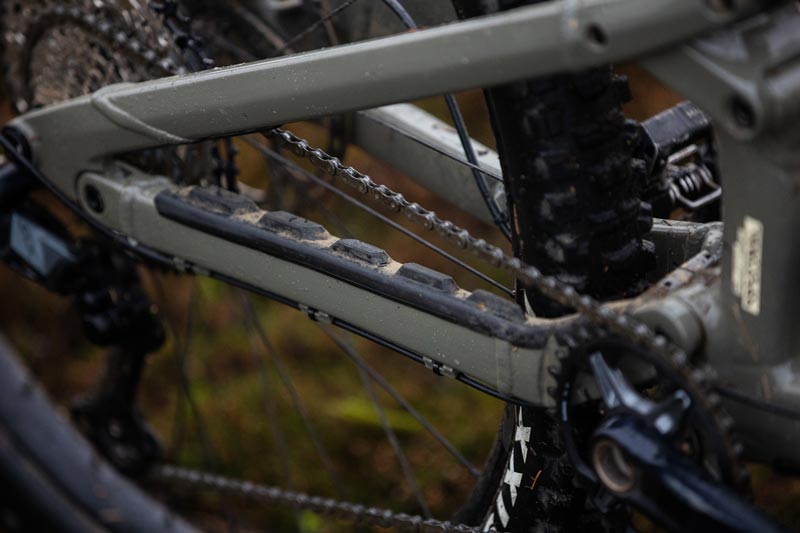
Both frames offer plentiful room for a water bottle; an additional tool mount on the underside of the top tube; and SRAM’s UDH on the rear end to make replacements easier to come by. Cables are routed internally through rubber grommets, relying on padded shrouding to prevent rattles inside the frame. The chainstay protection and downtube guard are both ample, if not able to keep the Spectral totally silent.
SUSPENSION
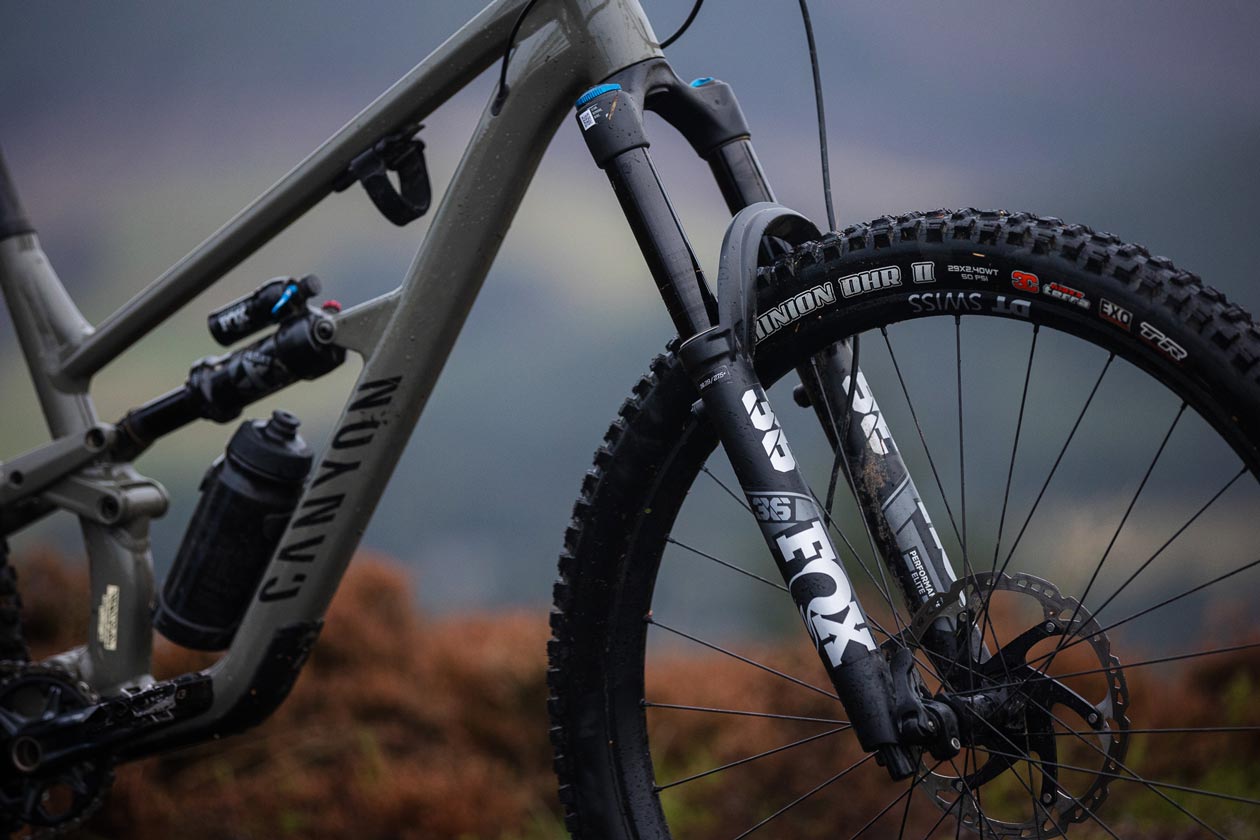
The Spectral continues to use a four bar suspension arrangement to deliver the 140mm rear travel. Up front, a 150mm Fox 36 Performance Elite with Grip 2 damper kept the front end of the Spectral AL 6 in control.
Canyon reduced the level of Anti squat to improve sensitivity when pedaling. The leverage curve was flattened through the mid stroke for improved support, with a progressive end-stroke to offer solid bottom out resistance in combination with the Float X rear shock.
GEOMETRY
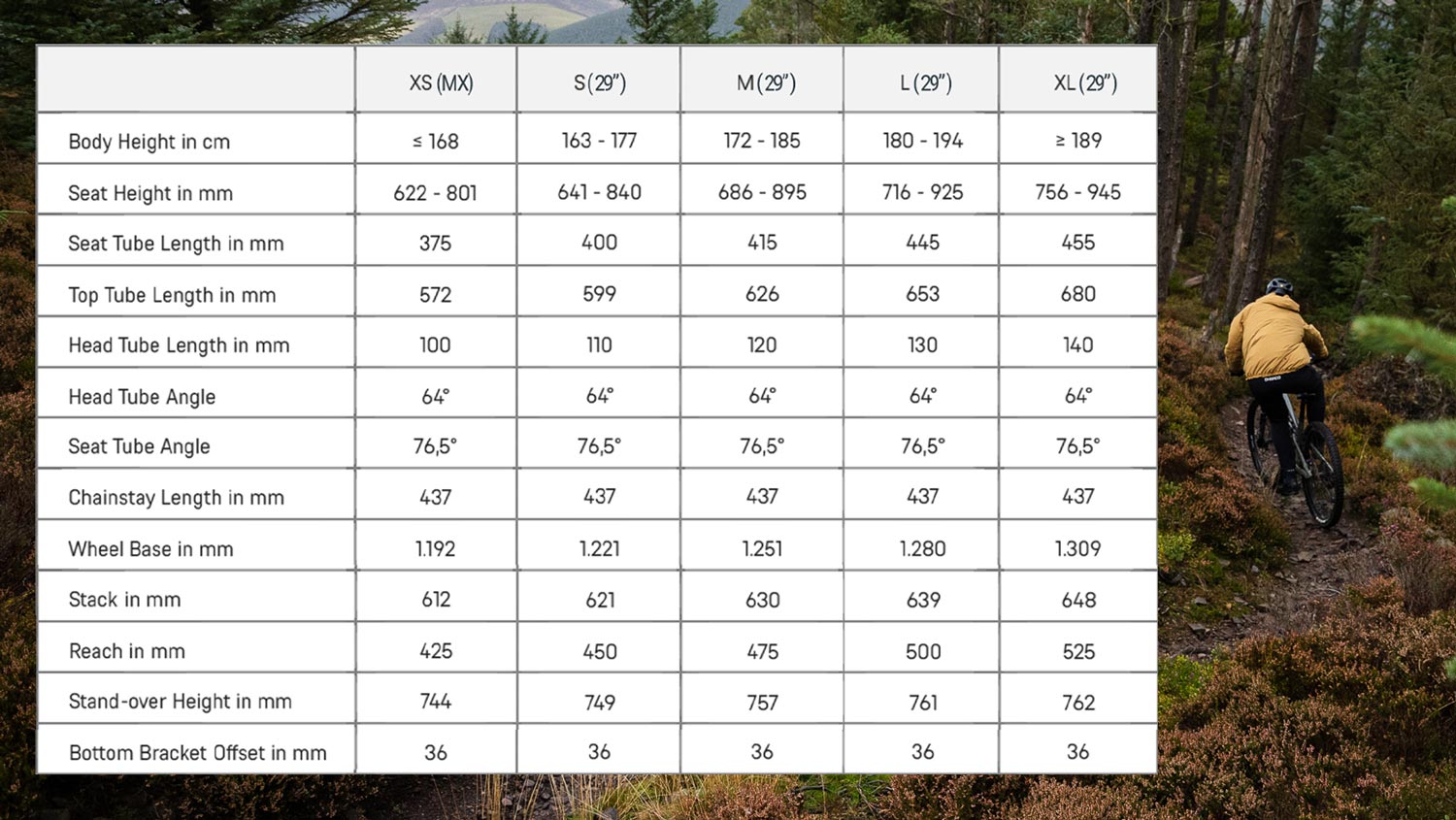
The Canyon Spectral has very long reach lengths for each given frame size. Reach length of 475mm on the Medium is similar to the typical reach on a size Large from most brands. As such, buyers should consider this when purchasing the Spectral, to ensure they receive a fit that they are happy with. Canyon offers the Spectral AL in sizes XS to XL, giving scope for most riders to size down and obtain an appropriate fit.
The remainder of the geometry figures are quite typical of a modern trail mountain bike.
BUILD SPECS
In North America, Canyon offers the Spectral AL only in the “6” spec, tested. In other markets there is a cheaper “5” spec available, retailing for £2,149 / €2,299. Going to the other end of the spectrum, the top spec carbon framed CF9 retails for $5,799 / £4,649 / €4,999.
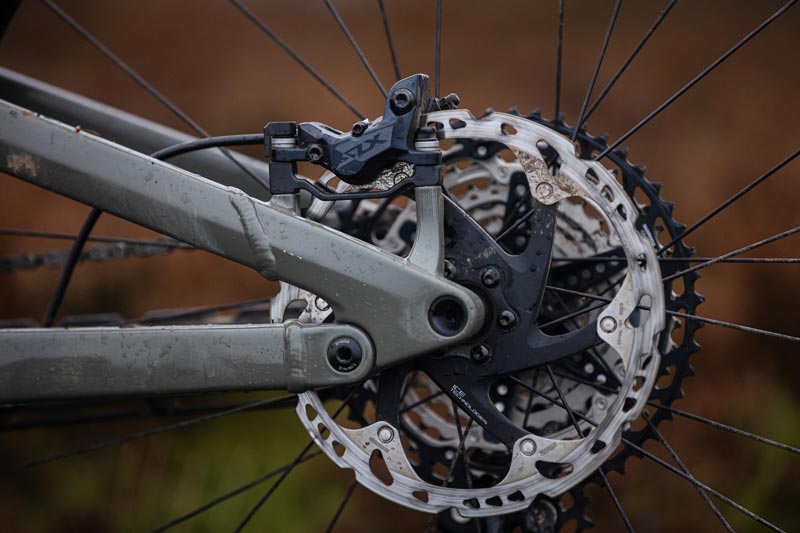
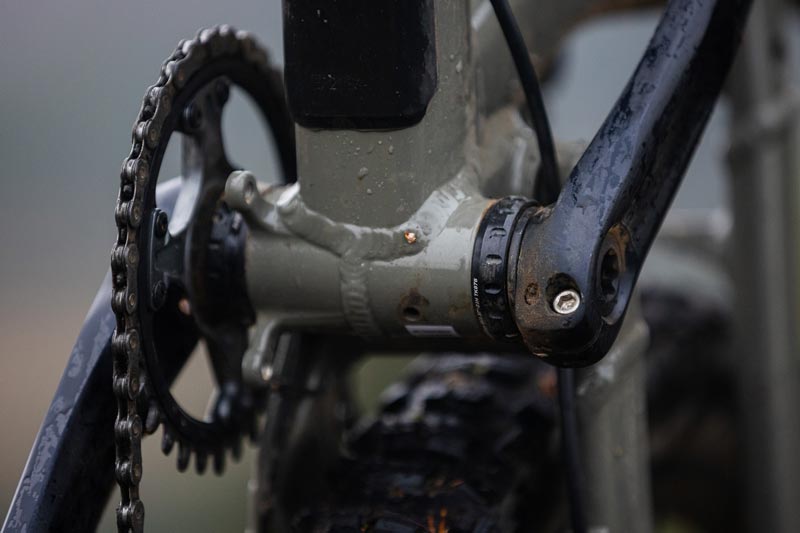
It’s impressive what Canyon has delivered in terms of spec for the money on the Spectral 6 AL we tested. It comes equipped with a Fox 36 Performance Elite fork featuring the GRIP 2 damper. Despite being the previous generation damper, the fork still offers brilliant performance and a wide range of adjustments. In the rear there’s a simpler Fox Float X Performance shock, which offers only rebound damping adjustment and a 2-position climb switch. Shimano’s SLX M7100 12-speed drivetrain and brakes are fitted, providing excellent performance at a more affordable price. A Token bottom bracket is the only exception, which had issues on our test bike.
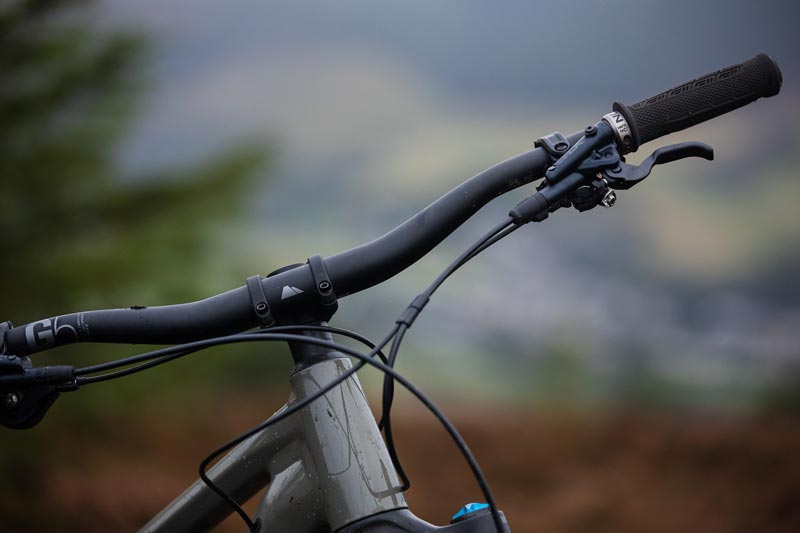
It’s impressive to see a DT Swiss M1900 wheelset fitted to a bike in this price category. They’re wrapped in quality Maxxis DHR2 tires, with an EXO+ rear casing and EXO up front. Rounding out the specs are Canyon’s G5 cockpit and dropper post, which is topped with an Ergon SM10 Enduro saddle. On the scales this came in at 15.5kg / 34.2lbs as stock with the inner tubes fitted.
THE DIRT
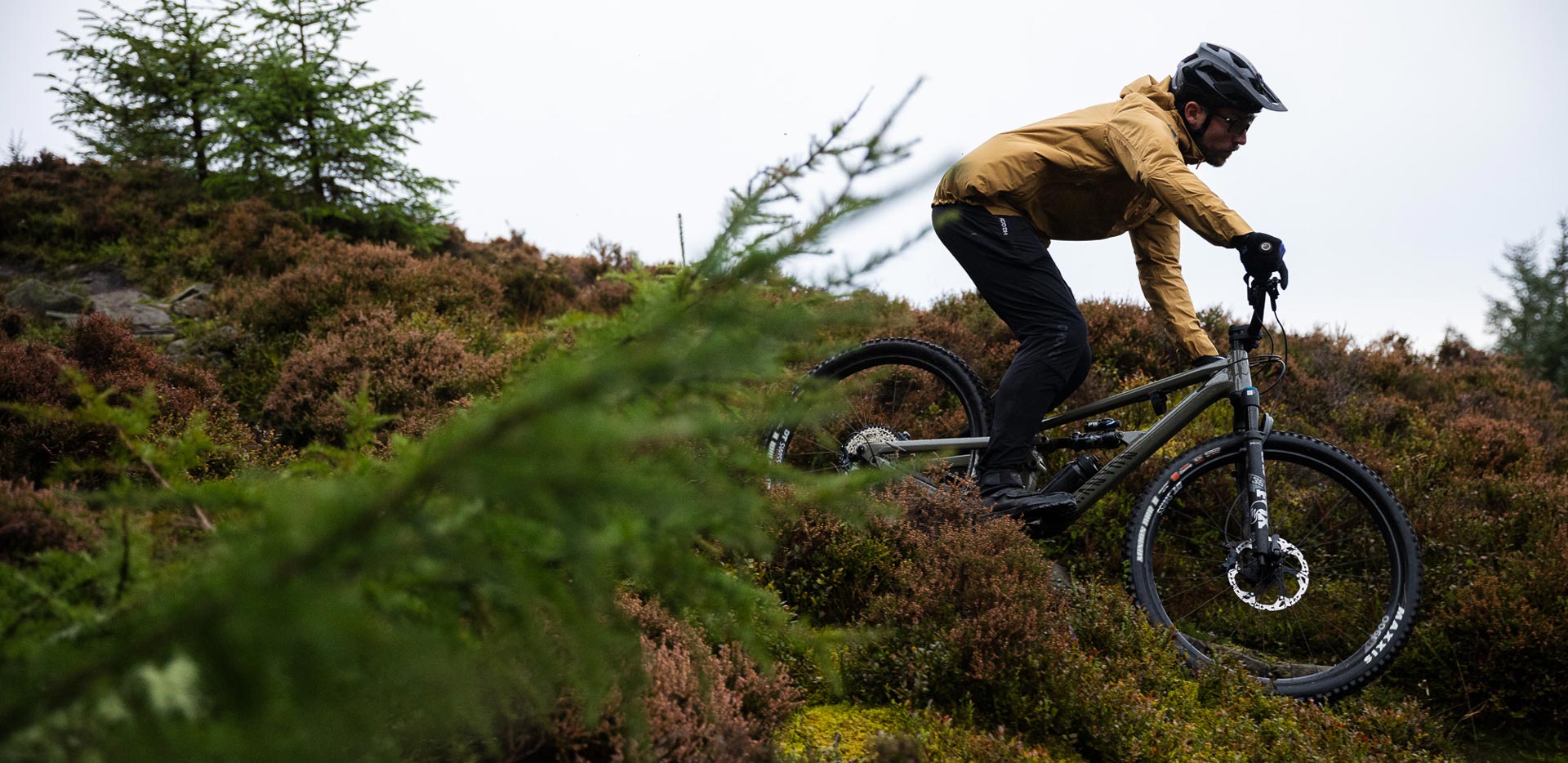
I spent a lot of time with the Canyon Spectral 6 in my testing fleet. Through this time more expensive bikes came and went, with bells and whistles to catch my eye. But the Spectral remained in there as somewhat of a palate cleanser. A bike I could hop onto with no adjustment period. No concern about what trails were on the menu. Just a damn well rounded and solidly performing trail mountain bike.
HOW TO CHOOSE THE RIGHT SIZE FOR SPECTRAL 6
Canyon’s size chart recommends riders with my 6’2” / 189cm height and 36” inside leg to ride the size Large. While that isn’t out of the question, I have a preference for shorter reach figures and effective top tube lengths than the 500mm and 653mm of the Large. So, I opted to test the size medium. As a direct-to-consumer brand there’s a good chance that many riders are going to purchase the Spectral based on Canyon’s recommendations, and while the size large certainly wouldn’t have been unrideable, I believe many riders close to my proportions would receive more enjoyment by riding the medium.
SETUP PROCESS FOR CANYON SPECTAL 6
Once you’ve selected the right frame size and the bike has arrived at your door, Canyon does an excellent job at making bikes easy to take out the box and get ready to ride. Simply fitting the front wheel, dropper post and handlebars, it was a matter of minutes before it looked like a bike ready to hit the trails.
Before I began testing, I set up the tires tubeless and switched out the Canyon G5 grips for my preferred Ergon GDH Teams. I adjusted the rear shock to deliver 30% measured travel on the shaft, and inflated the fork to the recommended pressure for my body weight. Quickly, I was good to roll.
Over the testing period, I experimented with 26% to 32% rear sag, and found 28% to offer the best balance of handling characteristics for general trail riding. For steeper and more technical trails, 32% yielded a more sunk-in feeling in the rear end without leading to excessive bottom outs. However, the increased sag setting left me wishing for increased compression damping on the rear end to reinstate a little stability when pushing harder. As a 100kg rider on a size medium, it’s likely I’m well above the intended rider weight. The tune is therefore likely to be for a lighter rider, so my desire for increased compression damping should come as little surprise. Adding the compression dial upgrade to this shock is highly recommended.
CLIMBING
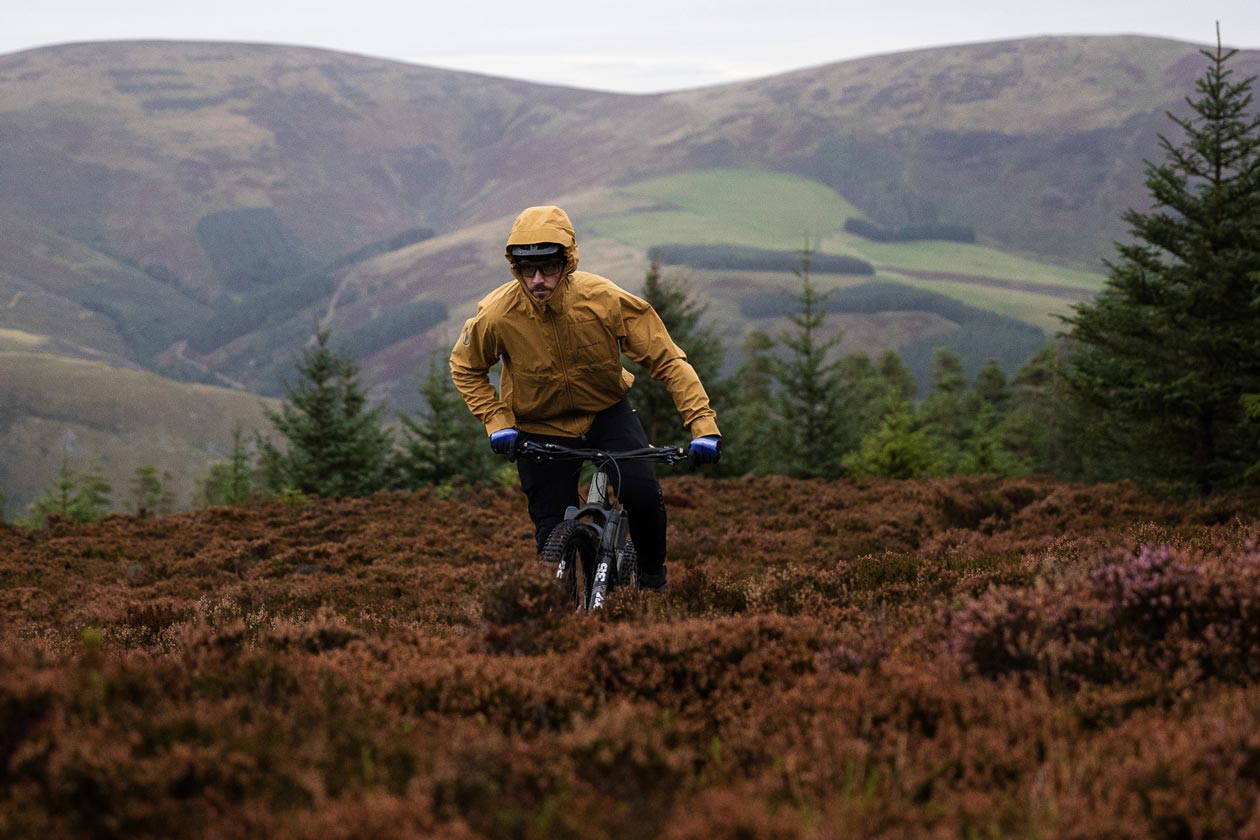
The Spectral 6 wasn’t the most spritely machine out there, with the rear end susceptible to some movement under harder pedaling efforts. It wasn’t a complete slouch, but leant towards the comfortable and grippy side. The easily reached climb switch immediately calmed the suspension down to increase the pedaling support. While some may desire a more efficient bike that doesn’t need a lock out, I’m a fan of this approach. It allows for a more comfortable rear end that offers the rear tire improved traction when the shock is left open. This is where the trend seems to be pointing, and for good reason.
Combining the suspension kinematic with its well balanced seating position – not too upright for flatter terrain, nor too rearward for steeper climbs – and the Canyon Spectral was a great all-round climber. As with many bikes, at my 830mm (32.7”) saddle height, the effective seat tube angle became slacker than advertised. But there was still ample load on the front end to retain steering control up until the absolute steepest pitches of climb.
The weight of the Spectral 6 was in-line with many bikes in its category, in a space where it didn’t feel overly cumbersome on the way up. Elements like tire choice make a larger difference to the efficiency, and it would be easy to give a boost to the rolling speed and acceleration with a faster tire combination than the Maxxis DHR2’s fitted. I was happy with the balance of characteristics these tires provided though, ensuring there was suitable traction to enjoy the capabilities of Canyon’s trail machine on the descents.
DESCENDING
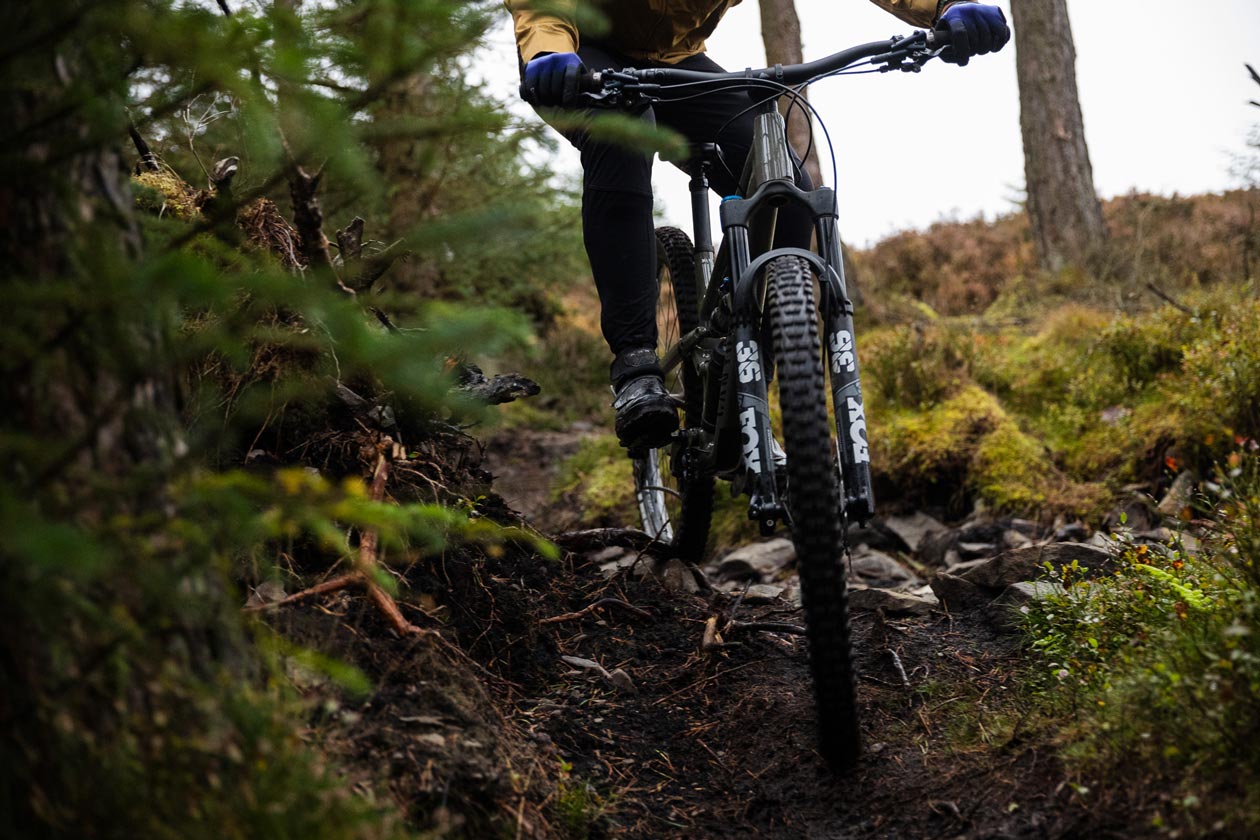
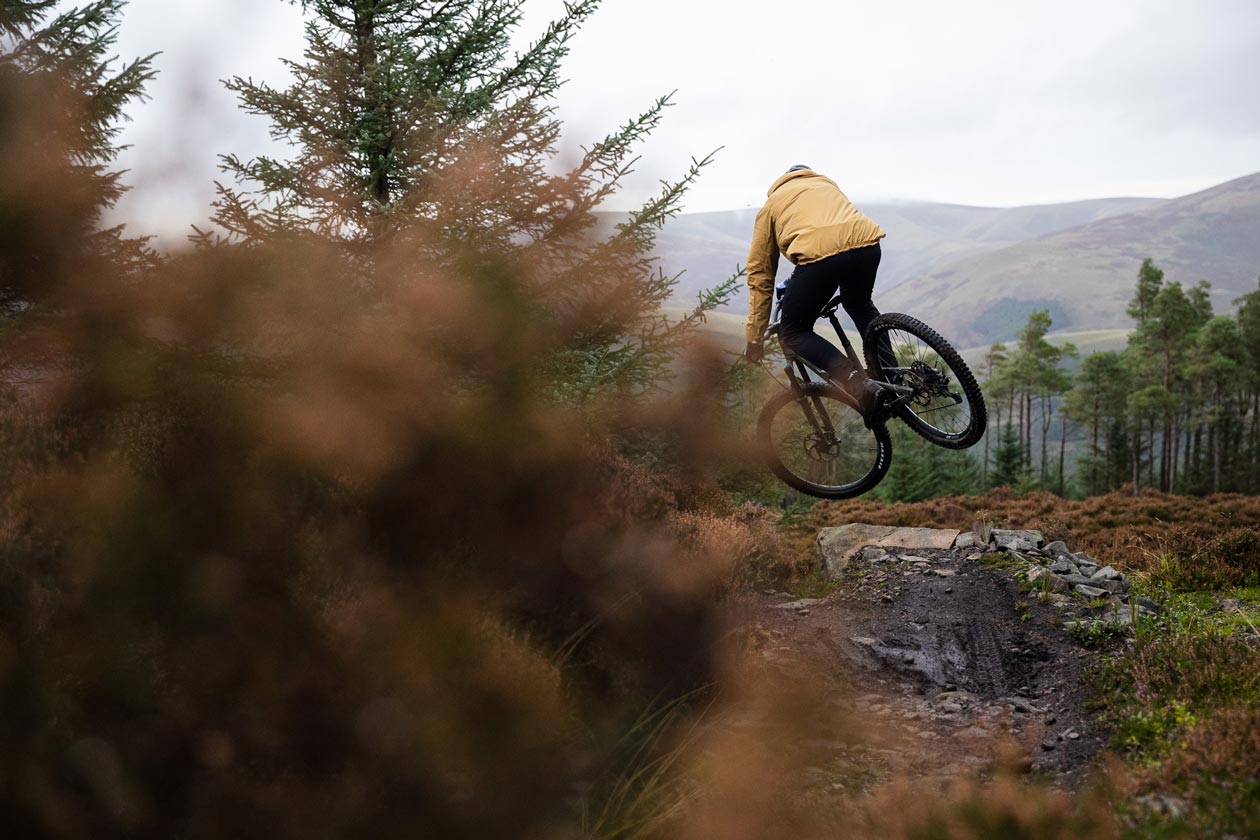
Every time I dropped into a descent on the Canyon Spectral 6, I was left with a grin on my face. The handling characteristics were lively and engaging, making mellower trail sections come alive. Impressively, this fun factor was delivered without instilling fear once the terrain became more challenging. The Spectral 6 balanced capability and excitement in a way that is rare in the more budget-minded space.
It was only on occasion that I mistakenly exceeded the Spectral’s capabilities and had to dance around the edge of control. This occurred on trail sections with repeated steps or high levels of roughness, where the fixed compression tune led to the impacts blowing through the initial portion of travel without absorbing the energy. When the aggression was dialed back a little on these sections, the Spectral remained composed and comfortable, and as such would treat beginner to intermediate riders very well.
In these same instances and when attacking supportive turns, the frame’s compliance became apparent too. But for a mid-travel, do-it-all bike, I never wished for increased stiffness. Instead, the slight flex that the Spectral AL frame provided let the tires stick better to the trail below, increasing comfort and confidence. I think Canyon struck a great balance in the construction of this frame, hitting a sweet spot for all but the most aggressive berm rippers.
The balance of the bike is something many will question. It was slightly rearward on the size Medium, and will only become further rearward on larger sizes due to the fixed chainstay length. If you’re a larger rider looking for a bike that’ll integrate you evenly between the wheels, this may not be desirable. However the relatively short chainstays delivered on fun factor for the way down, encouraging popping and playing on the rear wheel.
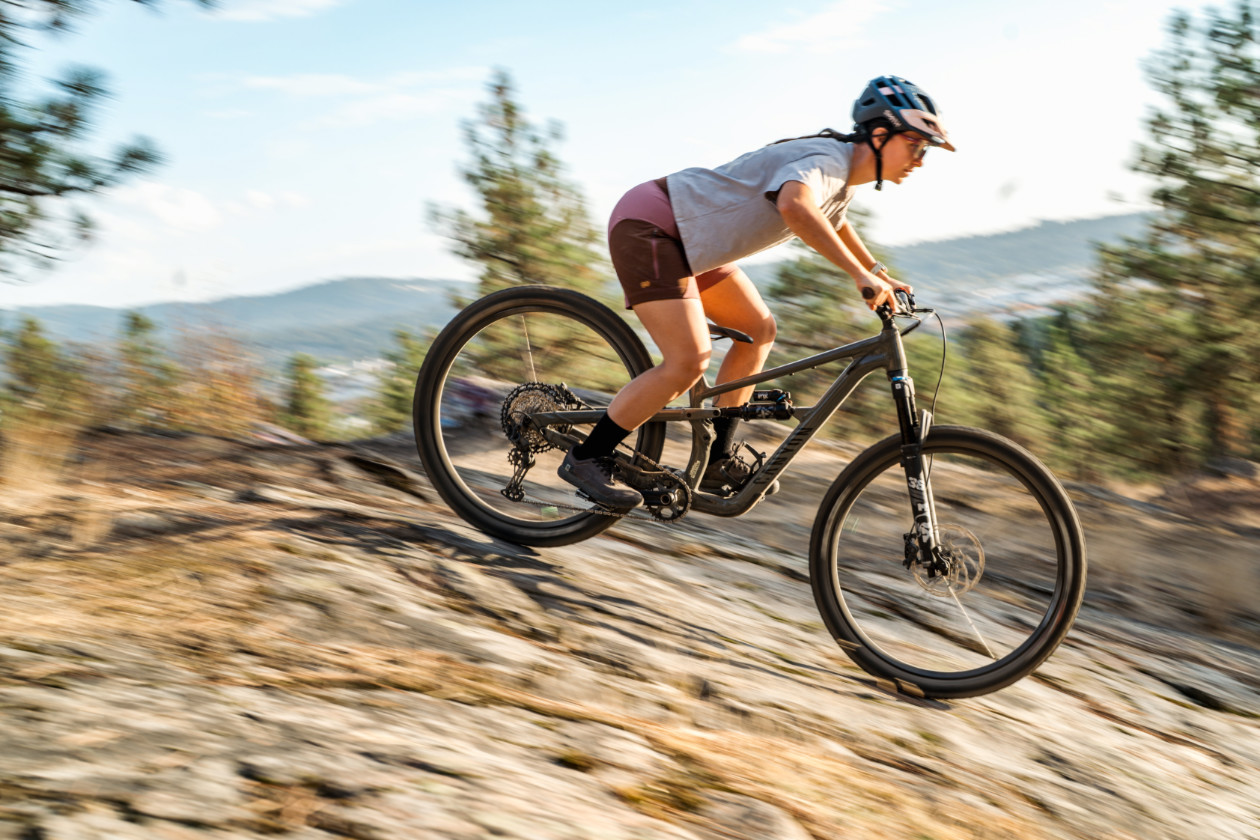
EMMA’S TAKE | After recently purchasing a big-hitting enduro and bike park rig, I’ve been on the hunt for a committed daily ripper. I honestly don’t have a tall order – reasonable weight, good price point, solid descending capabilities on my local trails, and it only needs to be a modestly good climber. My eyes had been caught up on a couple of sparkly, reputable beasts that were wildly out of my price range. I had the opportunity to test the Canyon Spectral AL 6 through most of this year, and it has me reconsidering my needs.
If we were to condense my general sizing requirements to one number, my preferred reach range is 435-440mm. The size small Spectral’s reach is 450mm, so just a tad outside my typical set-up, and I was pleasantly surprised with the fit. I stand at just under 5’5” and felt well-balanced on it, which led to quite a bit of traction and confidence when riding it in various terrain settings. I have taken this bike with me everywhere: it’s been exposed to a wide range of test conditions, including a summertime enduro race, alpine riding in British Columbia, and the local tech trails.
When performing at its best, the Spectral was a bike that was easy to maneuver, playful on jumps, and handled the technical trails well. I was torn up over deciding whether to race this bike or my personal enduro rig for my Sturdy Dirty race, with the winning factors coming down to the Spectral being lighter and a better balance of climbing and descending capabilities for a long day in the saddle. I had a blast racing this bike, and its playfulness made stages a bit more exciting, while it remained responsive to pedal mashing, albeit not entirely efficient, and the travel was perfectly matched for the rooty, flow-tech trails at hand.
At its lowest, though, I struggled in sustained, chunky or steep trails. The Spectral could feel a little overwhelmed in those conditions, with the rear end struggling to keep up and forcing me forward. But I have to add that these trails were properly rough, and not a level of difficulty that I or a typical Spectral rider would encounter often. This bike wasn’t a standout performer in any category, however its consistent performance while climbing and descending – while being offered at a fair price point – marked it much higher on my list.
After a season of witnessing its performance, the Spectral has made a good case to be the bike that I recommend to friends I’m trying to drag into the sport. It’s reasonably priced, capable of tackling most trails, and other than its stock grips and pedals, I’ve been riding this bike straight out of the box happily. The parts-to-price selection was thought through very well. I have no legitimate complaints about this bike, and genuinely feel that Canyon accomplished what they set out to do – “deliver all the Spectral trademark trail ripping awesomeness in a no-nonsense, no-frills, abuse-tolerant package.” The alloy frame made next-to-no difference for this ordinary rider. The only reason I haven’t purchased the Canyon Spectral AL 6 is because I am shallow and unimpressed with the Element color, and their purple Haze is out of stock.
FINISH AND VALUE
Value is an area that the Spectral 6 scored very highly. At the $3,099 / £2,799 / €2,999 price tag, the component spec was impressive. These excellent components for the money came without a penalty to the overall feeling of quality on the bike, though there were a couple of minor issues faced early on in testing.
The first was the shock bushing, which developed play after the first ride. Perhaps an anomaly, a replacement bushing would likely solve this and Canyon is likely to be able to supply this free of charge under warranty. Secondly, four rides in – of which only one was notably wet – the Token bottom bracket began to produce a high level of resistance. Disappointing for so little ride time, but not an expensive issue to fix.
Other than some chain slap noise on the harder hits, the Spectral was impressively dialled. Not just for its price tag, but in general. Though the cable routing was simplistic, its execution was solid and there were no rattles audible. The paint work held up amicably; and the frame was a pleasure to work on. Removing the shock, there was no evidence of misalignment or resistance, and the rear tire had enough clearance to avoid buzzing the stays under hard loads.
COMPONENT REPORT
Bottom bracket issues aside, there was nothing to report in terms of the components. It would be great to see a Performance Elite Float X shock to boost the tuning potential of the rear end. The stock Performance level shock can be upgraded to feature the Low Speed Compression adjustment for very cheap, since there is just a blanking cap on the stock shock to hide the compression needle. We would highly recommend this upgrade along with a tubeless conversion to riders looking to get the most performance out of their Spectral 6 without spending a large chunk of extra money.
Otherwise, the lack of complaint about the components is very impressive for a bike in this price range. It begged the question, do you need to spend more? More money may reduce weight slightly and add tuning possibilities. It might give a more “premium” looking paint finish, and fancy coatings. But on the trail, there was nothing on the Canyon Spectral 6 that detracted from the fun.
HOW DOES IT COMPARE?
Canyon Spectral 6 VS Marin Rift Zone XR
As two alloy-framed, do-everything machines in similar price brackets, comparing the Spectral 6 to the $3,699 Marin Rift Zone XR feels appropriate. Spec-for-spec, there’s little to call between the two, with comparable components throughout. The Marin benefits from increased adjustability on the Super Deluxe Select + rear shock, whereas the Canyon features a slightly higher quality DT Swiss wheelset than the Marin’s own-brand rims.
Both bikes are a riot when you put tires to dirt, and deliver solid quality for the money. The Rift Zone is more of a play machine, whereas the Spectral is slightly more rounded and capable.
The Marin’s slightly higher price tag is no doubt a result of its dealer support network. It’s always good to have a bike shop who will have your back should any issues arise, and it’s the one area where the direct-to-consumer model from Canyon may reduce the overall experience for some customers. However, we’ve heard reports of considerable improvements in after sales support from Canyon in recent years, so it may not be an issue.
The Wolf’s Last Word
The Canyon Spectral 6 is a great example of a solid value trail mountain bike. It provides a high quality performance package with limited frills and unnecessary expense, and we were thoroughly impressed every time we hit the trails on it. A bike that’s easy to recommend to a large number of riders, the Canyon Spectral AL is an excellent all mountain bike. 
Price: $3,099 / £2,799 / €2,999
Weight: 15.5kg / 34.2lbs
Website: Canyon.com
SHARE THIS REVIEW
ABOUT THE WOLF

Robert’s habitat is the Tweed Valley, Scotland, which is renowned for its root-littered enduro mountain bike trails. Robert has been developing his bike handling skills for the last 16 years. Since he was a pup, he’s been riding everything from BMX through to enduro and downhill bikes. Combining a playful style with occasional speed-focused aggression, he favors supportive bikes, and does his best to push them hard.
Rank: European Tech Editor
Size: 6’2” / 189cm | 220lbs / 100kg
Social: @robert_johnston
SUPPORT AND JOIN THE LOAM WOLF PACK
Did you find this review helpful? Would you like the chance to review (and keep) products? Are you interested in saving big bucks by getting exclusive Members Only discounts from industry brands all while helping support a small, rider-owned media crew? We have big plans for our members beyond big discounts and product giveaways! To learn more and help support small, independent media, visit our Member’s Page.