

MEMBER REVIEWS
PIRELLI SCORPION XC M & RC TIRE REVIEW
Review & Photos by Mark Tuttle
March 25, 2026
and for good reason. The latest 2025 updates featuring the new Race Compound and redesigned ProWall casing, to help make the Scorpion XC a very competitive tire lineup in the XC race category.
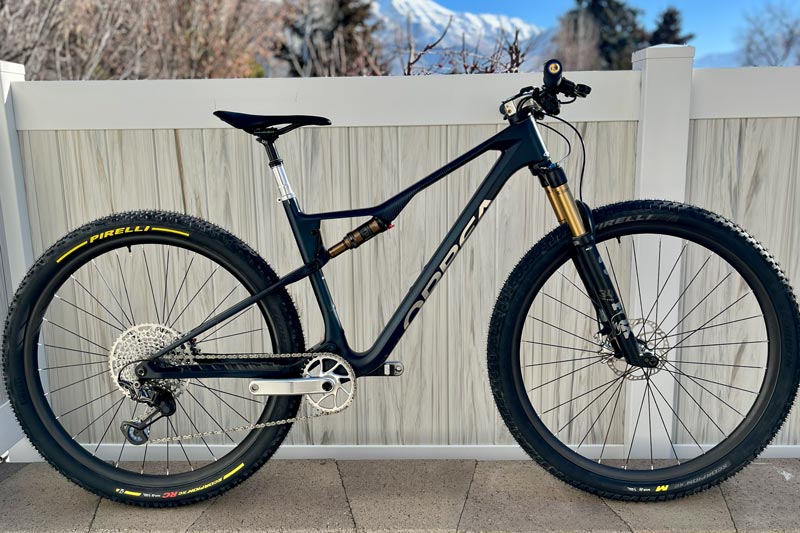
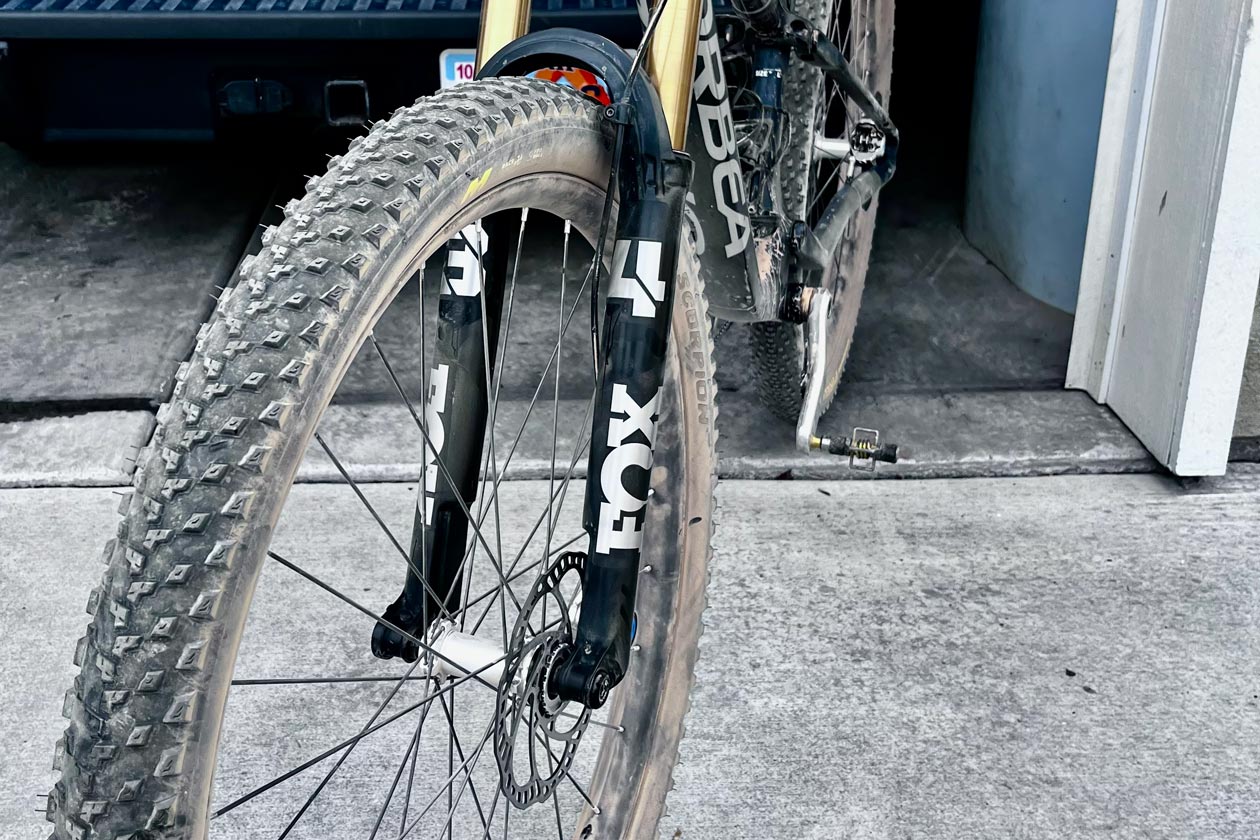
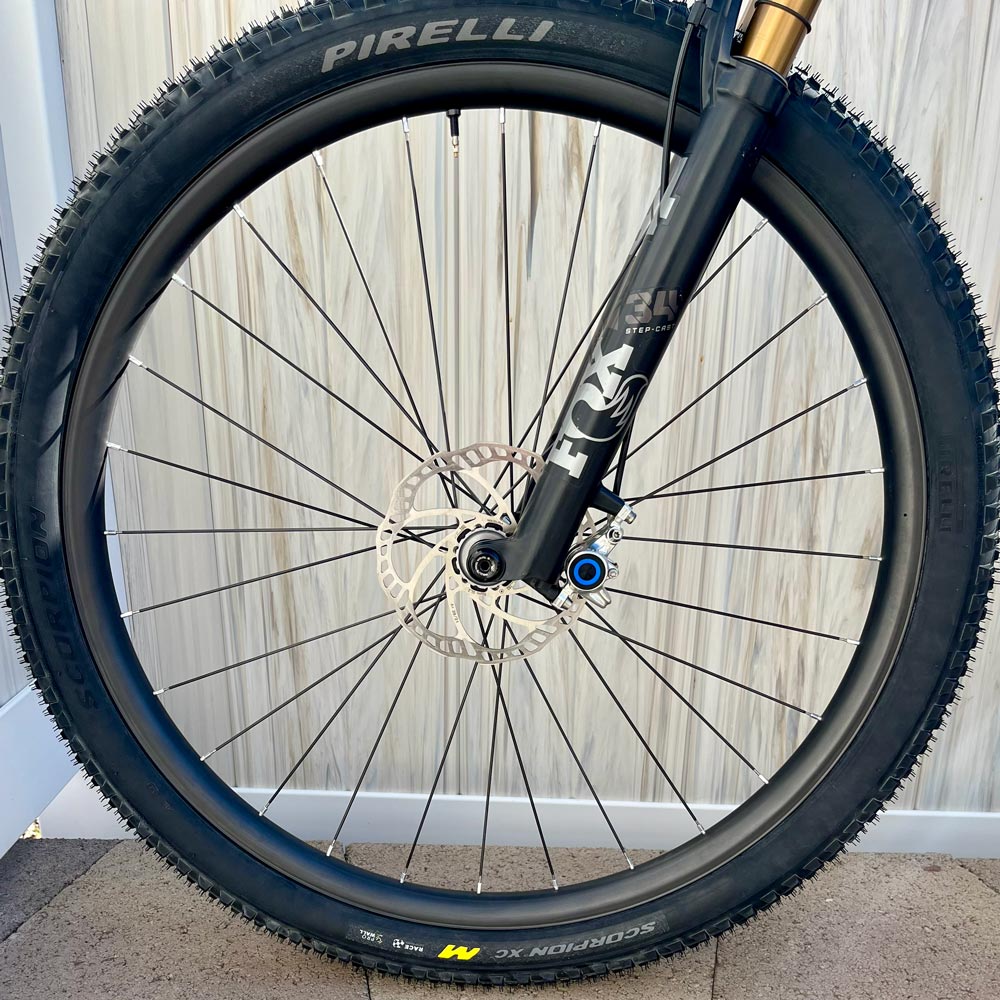
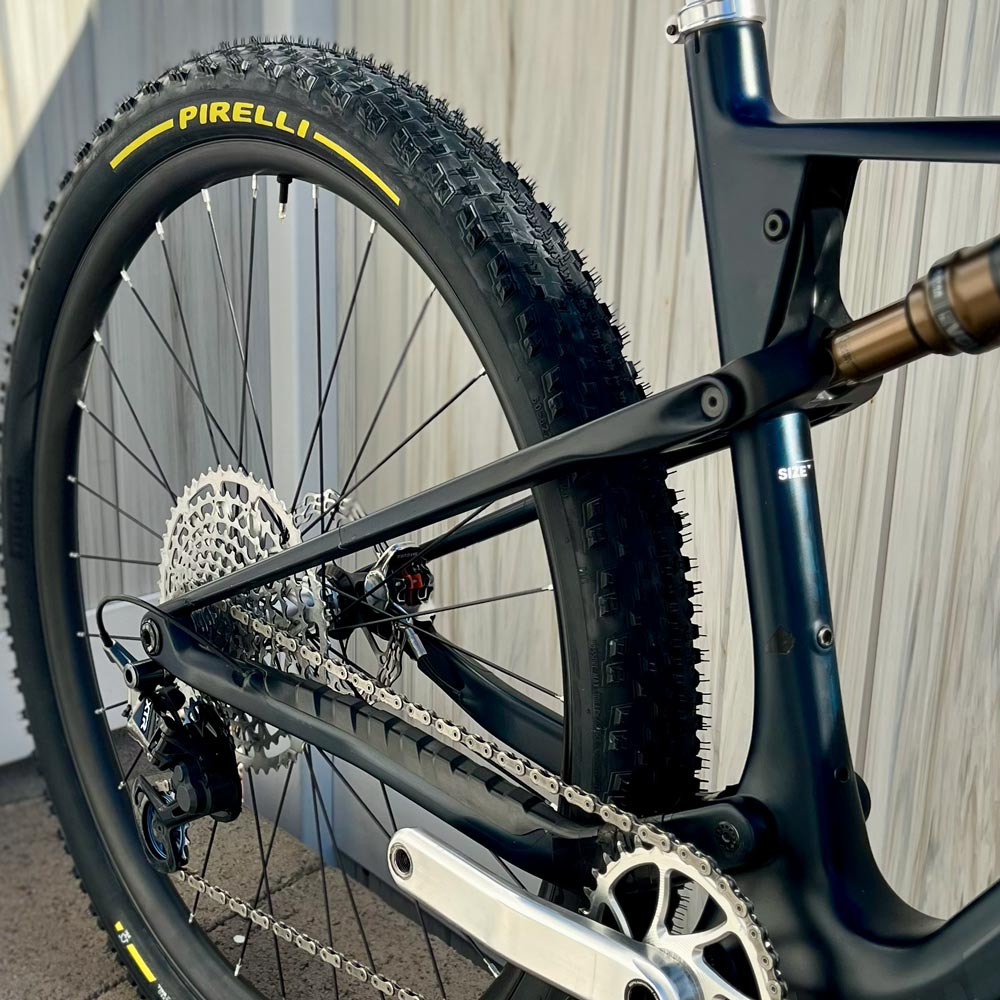
After testing the Scorpion XC M and XC RC in 2.4″, I can say these represent some of the market’s top-shelf XC offerings. Pirelli’s XC lineup ranges progressively, with the ultra-fast RH for hardpack rear use; the fast-rolling RC all-rounder (tested on rear); the low-profile H for hardpack; and the more versatile M for mixed conditions (tested on front). These tires were developed with World Cup athletes and manufactured entirely in Italy, with FSC-certified natural rubber. After a couple of hundred miles of racing and training on Utah’s variable and often rocky terrain, I’ve got plenty to say about how they stack up.
ABOUT THE PIRELLI SCORPION XC M & RC
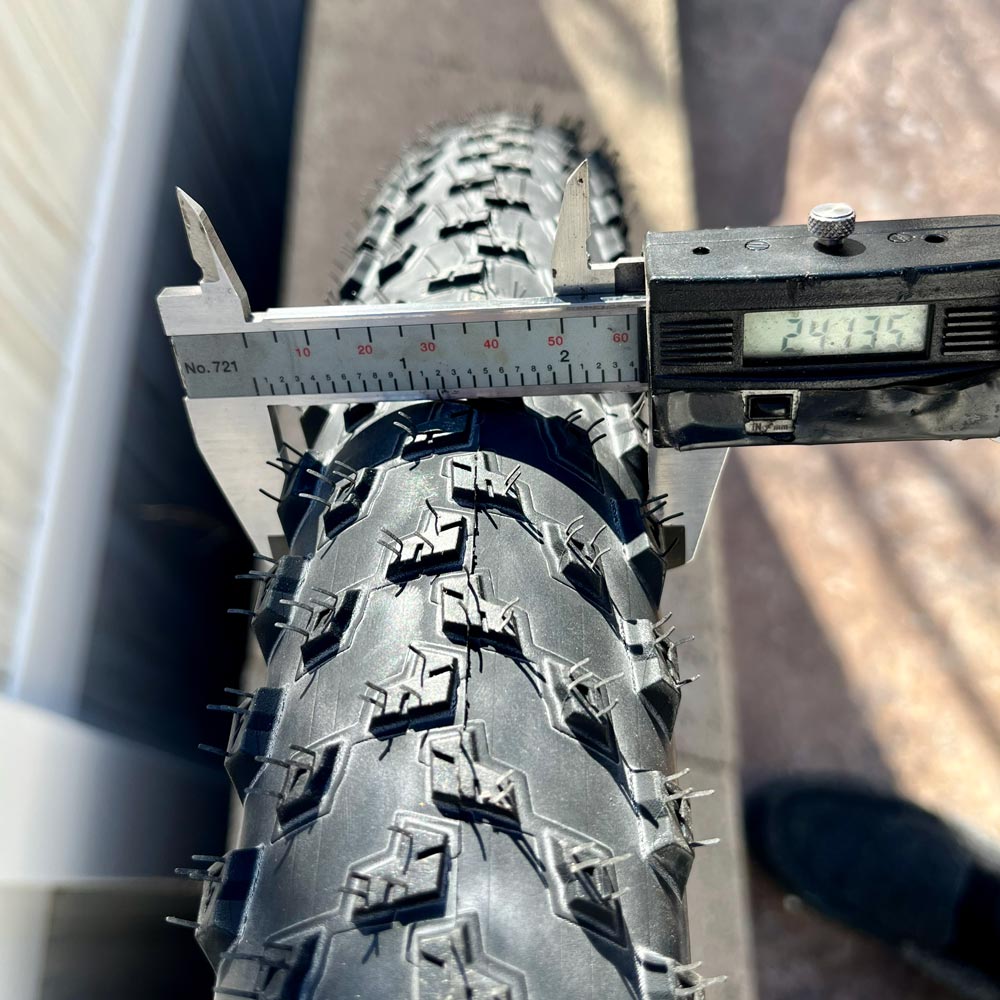
The Scorpion XC RC sits at the top of Pirelli’s cross-country range as their fast all-rounder. Its low-profile center knobs are designed to minimize rolling resistance, while taller lateral knobs increase cornering grip when you lean the bike over. The updated 2025 version gets a squarer shoulder profile and true 2.4″ volume, optimized for 30mm internal rims. Pirelli claims a 7% improvement in rolling resistance over the previous year’s RC tire – much appreciated when you’re looking to maximise speed.
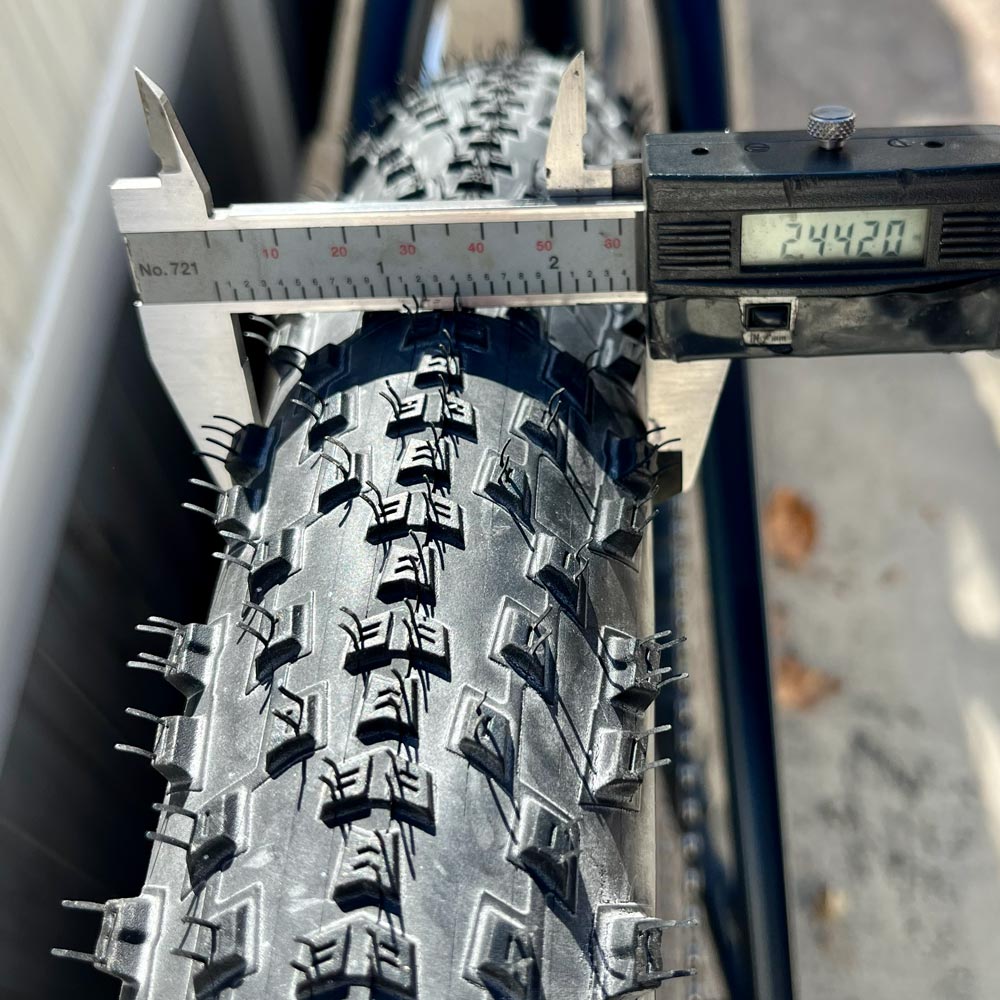
The Scorpion XC M is Pirelli’s mixed-terrain option. It features a more open, widely spaced tread pattern, with a compact central channel. It’s designed for courses where conditions vary, from hardpack to loose, dry to wet, making it a perfect front tire where rolling speed is less important than grip.
Both tires use Pirelli’s new Race Compound, developed by their Motorsport Compound division. Unlike the previous SmartGrip compound, the Race Compound is a single-layer formulation designed for consistent grip throughout the tire’s lifespan, with no cheaper rubber hiding beneath the surface. Both are offered in ProWall casing, which adds a layer of woven nylon sidewall reinforcement for puncture protection and stability at low pressures, built on a supple 120 TPI nylon carcass.
On the scales, the Pirelli Scorpion XC RC 29×2.4” Race Compound ProWall weighed 710g (1.56lbs) while the SCORPION XC M 29×2.4” Race Compound ProWall weighed 715g (1.57lbs). The retail price comes in at $103.90 for the top-spec tires tested, with numerous colorways available.
THE DIRT
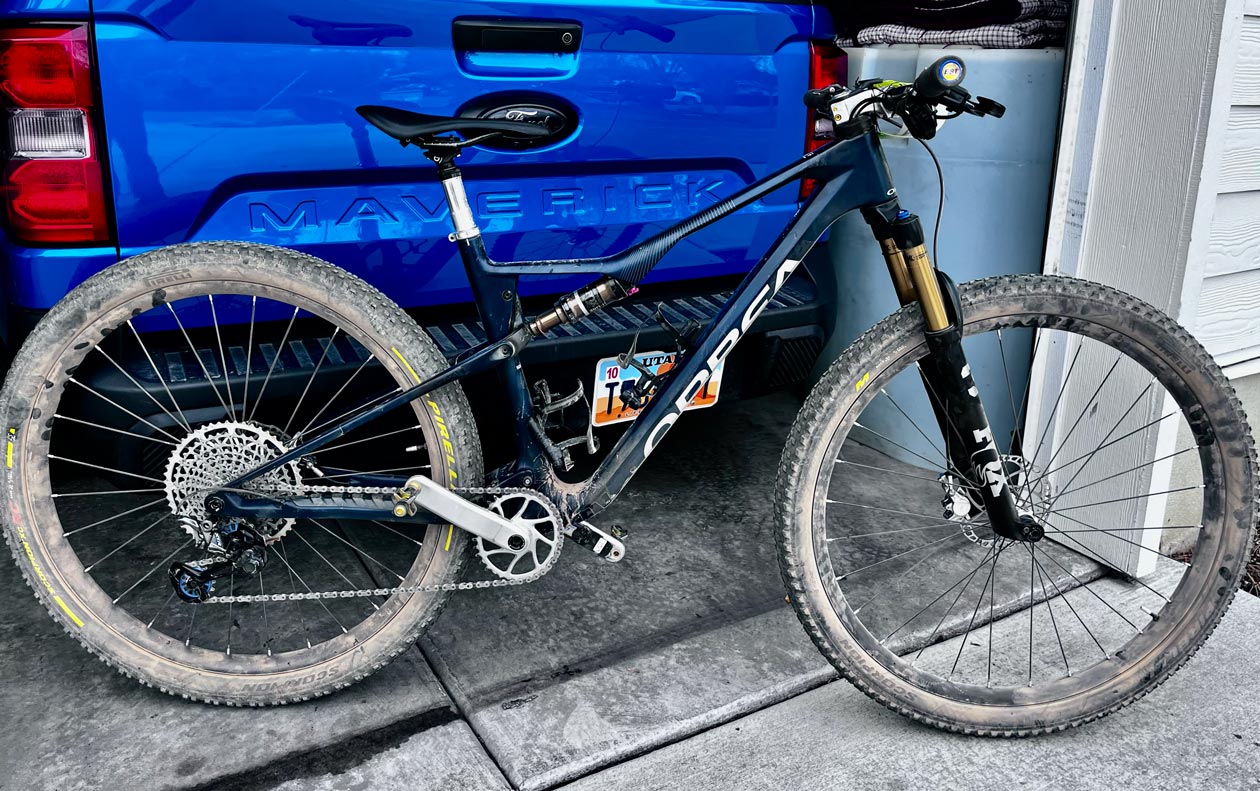
I tested the Pirelli Scorpion XC M up front and the XC RC in the rear on my XC race bike. I switched to the Pirelli tires from a pretty standard XC race setup: a Continental Cross King 2.2” up front and Race King 2.2” in the rear. The jump from 2.2” to 2.4” was deliberate, and I also swapped from a 25mm rim to a 30mm rim. I wanted more volume, more traction, and more confidence on the descents, without completely abandoning the pursuit of race weight and rolling speed. Both tires were set up tubeless and inflated to 18 psi front and 20 psi rear.
First things first: at 715g and 710g respectively, these are remarkably light for 2.4″ tires with sidewall protection. They are heavier than my old 2.2” Contis by about 150g per tire, but for the volume and casing you’re getting, the weight is highly competitive with anything else in the category.
The tubeless setup on the Pirelli Scorpion XC tires was as simple as you like. Both tires mounted and sealed easily on my rims. There was no compressor required, and no fighting with the bead to get them on. I just pumped with a standard floor pump and was soon ready to go. That’s always appreciated on race week!
On the trail, the difference was immediate and dramatic, particularly in corners and high-traction moments. The Scorpion XC M up front was the star of this pairing. It felt a lot like a trail tire, but somehow rolls like a race tire. While the tread patterns are very similar on both the Continental Cross King and Pirelli Scorpion XC M, the cornering confidence on the Pirelli tires was on another level compared to the outgoing Contis. The extra volume at low pressure let me lean into turns with real commitment, and gave me all the confidence I needed for race-pace riding on Utah’s variable terrain. I found myself carrying more speed into corners and braking later, which is exactly what you want from a front tire upgrade.
The XC RC in the rear did its job well. It rolled fast, held a clean line under power, and provided enough rear grip for confident climbing. The low-profile center tread kept things efficient on the flats and climbs, while the shoulder knobs offered enough bite to get the rear end around a switchback. I noticed a significant upgrade from the Continental Race King, with the taller side knobs and wider casing delivering much improved traction. I felt like the tire wouldn’t push around the corners as easily, but it also meant I could choose my line and trust it would hold ground well.
The Race Compound deserves its own mention. It’s a clear step up from the SmartGrip compound Pirelli offered previously, with more consistent grip across conditions and a better overall feel on the trail. The grip level on dry rock, loose hardpack, and even the occasional damp section was truly impressive for an XC tire. That said, I’ll be honest: Continental’s Black Chili compound is still the fastest-rolling compound in the business. But the Race Compound is probably second place. Independent rolling resistance tests have shown the Race Compound posting strong numbers, so the efficiency is objectively there, even if the wider 2.4 casing means you feel more drag than a narrower tire, regardless of compound.
WHAT HOLDS IT BACK
The trade-off for going to an increased 2.4” tire width is real, and I confirmed it the hard way. On a back-to-back timed segment test, riding the same trail at the same effort, the narrower, lighter 2.2” Continental setup was measurably faster uphill. You could feel it on the sustained climbs and flat sections where rolling speed is everything. There’s simply more rubber on the ground, and the additional 150g of rotational weight per tire adds up when you’re trying to hold tempo. In my 8-minute timed lap, I saw about a 30-second split from the Conti to the Pirelli.
However, on the downhills, I was able to make up about 10 seconds through corners, thanks to more confident speed and later braking.
If you’re going for the absolute fastest, lightest setup, a 2.2” still appears to be king. But if your race is a bit unpredictable and you aren’t sure if it’s won on the ups or the downs, the comfort and confidence of the 2.4” setup could make it the better option.
The Wolf’s Last Word
The Pirelli Scorpion XC M and RC in 2.4” with Race Compound and ProWall casing haven’t changed how I ride my XC bike, but they did offer a notable improvement. The combination of race-competitive weight, excellent traction, and a meaningful bump in descending confidence makes this a compelling setup for anyone racing or riding technical cross-country terrain.
If you’re coming from a 2.2” wide setup and wondering whether the jump to 2.4” is worth the weight penalty, my personal answer is yes, provided your courses have any real technical terrain. The grip and stability gains help to compensate for the loss in rolling speed over the course of the race. When running the M up front for cornering bite, and the RC in the rear for efficiency, you are provided with a well-balanced race setup that doesn’t ask you to choose between fast and capable.
For pure hardpack or flat courses, you might still want the lighter, faster-rolling 2.2” options.
I will continue to train and race on the Pirelli Scorpion XC tires, and I’m excited to try the RH as an ultra-fast rear tire, and the RC Lite casing up front to see if I can gain a bit more speed without sacrificing the advantages of the larger casing and improved grip over the 2.2”. 
Rating: 4.5 / 5
Price: ~$103.90 MSRP per tire
Website: Pirelli.com
SHARE THIS REVIEW

*FREE US SHIPPING*
for all orders over $50

SUPPORT AND JOIN THE LOAM WOLF PACK
Did you find this review helpful? Would you like the chance to review (and keep) products? Are you interested in saving big bucks by getting exclusive Members Only discounts from industry brands all while helping support a small, rider-owned media crew? We have big plans for our members beyond big discounts and product giveaways! To learn more and help support small, independent media, visit our Member’s Page.